



By Martin Ekpeke
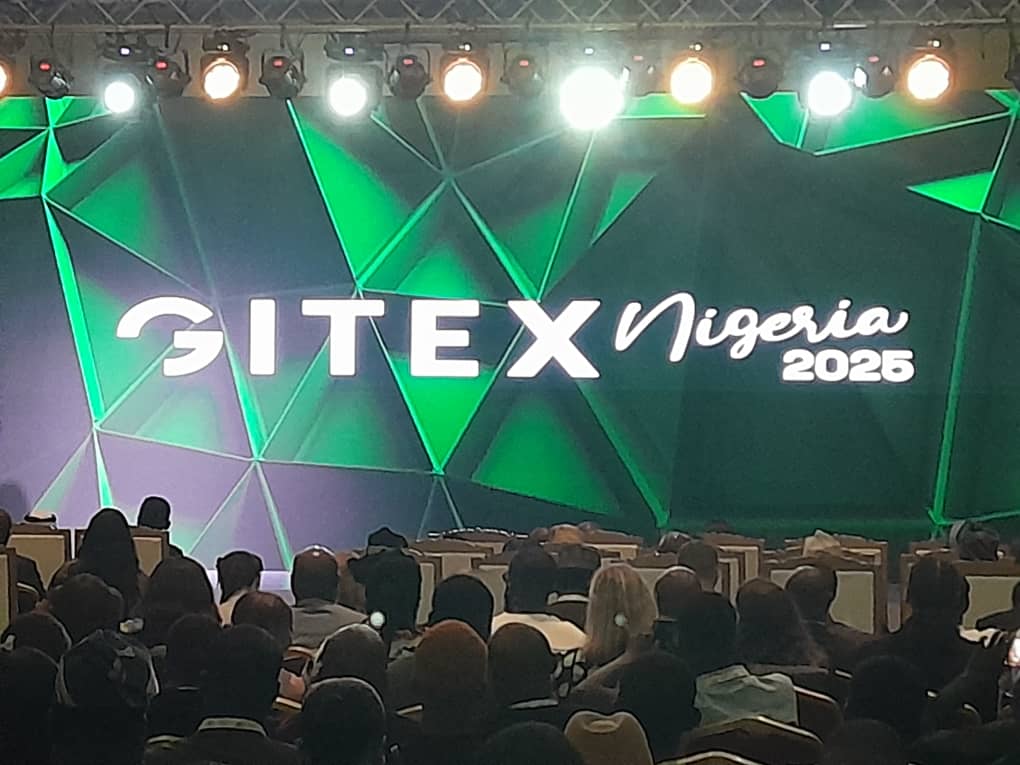
The Nigerian government is targeting a 21% contribution from the Information and Communications Technology (ICT) sector to the country’s Gross Domestic Product (GDP) by 2027. Minister of Communications, Innovations and Digital Economy, Bosun Tijani, announced the ambitious goal today at the GITEX Nigeria conference in Lagos.

The minister highlighted the sector’s rapid growth, noting that its contribution to GDP has already jumped from less than 5% a decade ago to a consistent 16-18% today. This significant growth, according to him, positions the country on a clear path to achieving the new target.
Tijani pointed out that Nigeria is Africa’s largest telecommunications market, not only in terms of user numbers but also in attracting foreign direct investment.
He revealed that the digital economy has already surpassed the oil and gas sector in some key areas, with two of the top companies on the Nigerian Stock Exchange being technology firms. “This shift underscores that the digital economy is more than just mobile apps; it’s a driver of technical efficiency and productivity gains across all sectors, including agriculture, education, and manufacturing,” he said.
The minister stated that this focus on the digital economy is a central part of President Bola Ahmed Tinubu’s “Renewed Hope” agenda. The administration’s vision is to leverage technology to not only grow GDP but also expand opportunities, reduce inequality, and create shared prosperity for all Nigerians.
To achieve its goals, the ministry is focusing on several strategic initiatives:
- Project Bridge: A flagship project to build a 90,000-kilometer fiber backbone to connect every state, local government, and ward in Nigeria.
- 3MTT Initiative: The largest and most coordinated digital skills program in the world, designed to prepare young Nigerians for both local and global job opportunities.
- National Digital Economy and E-governance Bill: A landmark piece of legislation to ensure trust, security, and accountability in the nation’s digital future.
Beyond infrastructure and policy, the government is committed to strengthening the entire tech ecosystem. This includes funding academic research projects, empowering the private sector through initiatives like the AI Collective, and engaging with the Nigerian diaspora to attract capital, expertise, and networks back home.
In a separate address, the Director General of the National Information Technology Development Agency (NITDA), Kashifu Inuwa, praised Lagos as a crucible of innovation and a factory of unicorns. He noted that five of Africa’s eight or nine unicorns originated in Nigeria, a testament to the country’s strategic policies and the resilience of its young, brilliant minds.
Inuwa emphasized that while FinTech has been the “rocket fuel” for innovation, there are boundless opportunities in other sectors like agriculture and health. He invited local and international partners to join Nigeria on its journey to build a resilient, innovative, and globally connected digital economy.