


By Martin Ekpeke
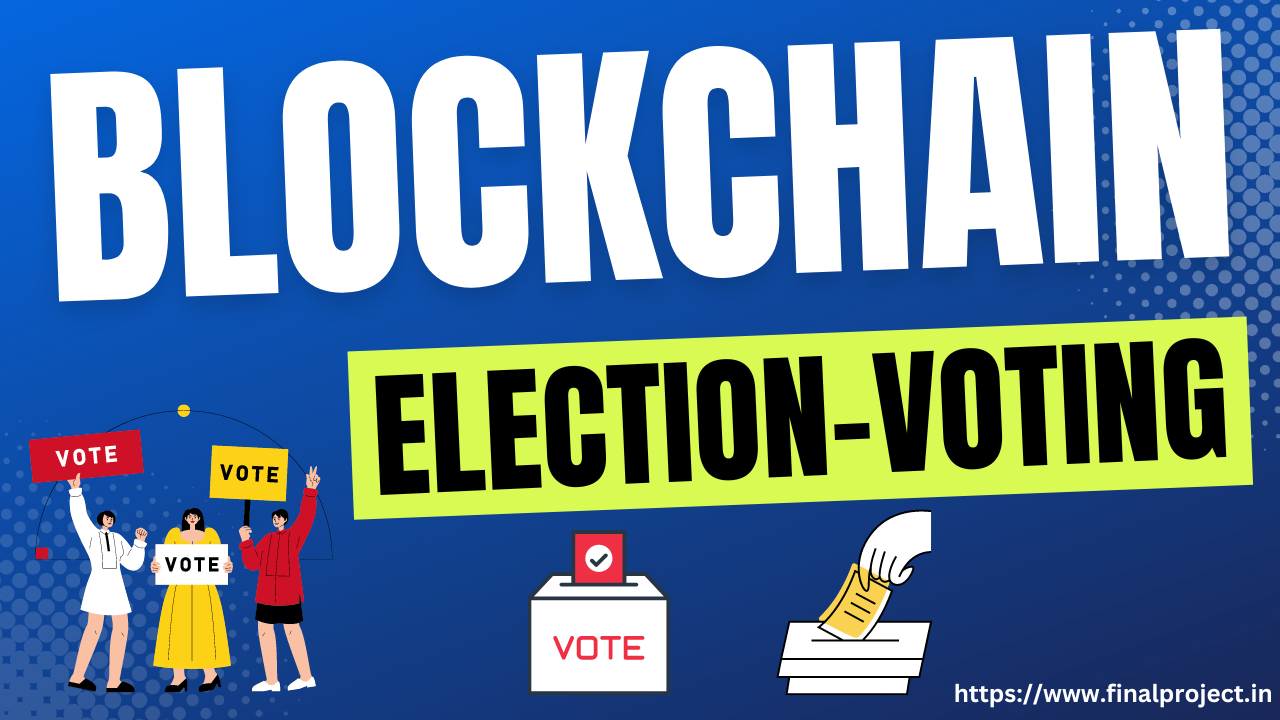
As Nigeria continues to grapple with the challenges of electoral transparency and voter trust, stakeholders in the blockchain industry are proposing a technological pivot. In an X (formerly Twitter) Space hosted by the Stakeholders in Blockchain Technology Association of Nigeria (SiBAN) today, themed ‘From Ballot to Blocks: Can Blockchain Fix Nigeria’s Elections?’, the experts argued that while blockchain is not a magic wand, it offers a robust framework to eliminate result manipulation and cure voter apathy.

The discussion, featuring key industry figures including Oluwaseun Dania, CEO of Alpha-Geek Technologies, Harry Ugorji, CEO of Egoras Technology, Mela Claude Ake, President of SiBAN, Mr. Taiwo Gbadegesin, Head of Voter Education for INEC Lagos and others, highlighted a shift from traditional voting toward a more immutable and verifiable system.
Opening the floor, Oluwaseun Dania noted that while Nigeria’s electoral processes have improved, a crisis of confidence remains the primary hurdle, even as he identified voter apathy as a direct symptom of people feeling their votes are not counted during the transmission and collation stages.

“The real opportunity is actually much simpler. Blockchain is not there to change how Nigerians vote, but to technically protect the integrity of the votes that are cast. People will be more confident knowing that as they are casting their votes, the results are being recorded on the blockchain, visible to everybody all over the world,” Dania explained.
According to him, by providing a time-stamped and properly verified system without the possibility of manipulation, the blockchain technology could incentivize millions of disillusioned citizens to return to the polls.
Despite the enthusiasm, the experts maintained a level of cautious optimism, citing Nigeria’s unique challenges, such as low internet penetration and limited digital literacy.
Dania proposed a hybrid model instead of making an immediate jump to full e-voting, starting with foundational elements, such as moving National Identification Numbers (NIN) and voter registers onto a secure blockchain. He also recommended using blockchain specifically for result transmission to record and audit votes, ensuring no data is altered between polling units and collation centers. Additionally, he advised building simplified, easy-to-use front-end tools so the average voter does not need to understand the underlying complexity of smart contracts.
Contributing to the technical feasibility, Harry Ugorji proposed leveraging existing party systems as a testing ground before a national rollout. He addressed the gas fee problem, suggesting an infrastructure where polling agents sign results with private keys without bearing the cost.

“They have to scan the EC8A form. Once they scan and upload, there should be an AI-based layer that extracts that information and transmits it to the smart contracts. This data can be saved using IPFS (InterPlanetary File System) so that at every point in time, everybody can verify that data,” Ugorji stated.
Ugorji envisioned a data-streaming electoral process where votes are calculated in real-time, removing the black box period where manipulation often occurs.
Also speaking, Mr. Taiwo Gbadegesin, Head of Voter Education for INEC Lagos, emphasized that election management is a continuous cycle involving critical behind-the-scenes work, such as monitoring party primaries and evaluating new political associations. However, he highlighted the Continuous Voter Registration (CVR) process as the most vital touchpoint for the general public. This phase typically ramps up 18 to 24 months before a general election, specifically targeting citizens who have recently reached the voting age of 18 or those who need to update their registration status.
A significant focus of Gbadegesin’s address was the technological improvement of the registration process through online pre-registration. “This system allows Nigerians, including those currently abroad, to initiate their registration, request card transfers to closer polling units, or update personal details like marital name changes from their mobile devices,” Taiwo, who was represented by Mr. Ayopo Lawal, Head of Unit, Voter Education, explained.
According to him, by shifting the data entry to the user, INEC aims to eliminate clerical errors caused by staff fatigue or large crowds, ensuring that voters’ personal information is captured with 100% accuracy.
Furthermore, Gbadegesin stressed that these digital advancements are designed to maximize efficiency at physical registration centers. “For those who utilize the pre-registration portal, the final in-person visit is strictly limited to capturing biometric data, such as fingerprints and facial features. This streamlined approach reduces the time spent at the center to under five minutes, significantly easing the burden on both the public and INEC officials while ensuring the electoral roll remains robust and up-to-date,” he added.
As SIBAN expressed a strong willingness to collaborate with INEC and serve in some advisory capacity if necessary, the discussion highlighted that this event is part of an ongoing series designed to keep the momentum of the conversation alive. The overarching consensus among speakers was that Nigeria should adopt a test-run approach, implementing these digital tools at smaller scales, such as university student union elections or secondary school representative polls. By starting with these micro-elections, the country can build essential public trust and technical familiarity before scaling to a national level.
As the conversation concluded, the experts agreed that while the technology is ready, success depends on regulatory approval and a willingness from stakeholders to embrace a system where data, once recorded, is permanent and beyond the reach of any single authority.