



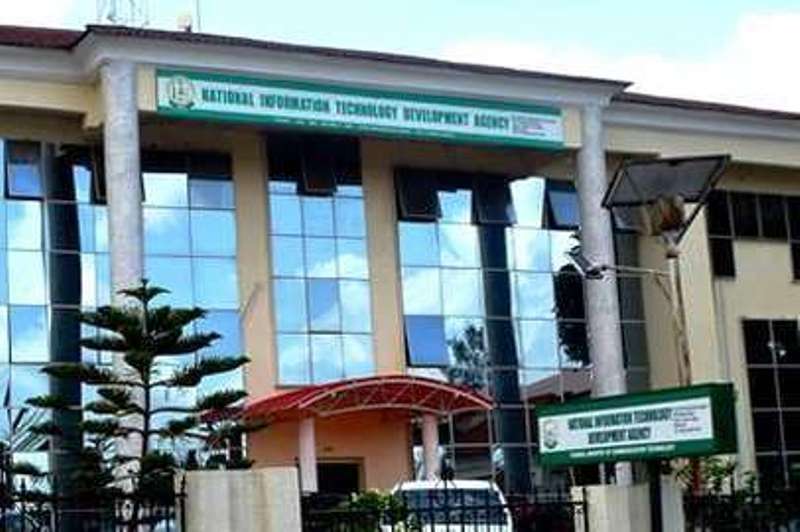
The National Information Technology Development Agency (NITDA) has saved the Nigerian government over ₦319 billion in the past year by reviewing Information Technology projects valued at more than ₦1.5 trillion.
The Director-General of NITDA, Kashifu Inuwa, disclosed these figures while highlighting the agency’s regulatory achievements across federal Ministries, Departments, and Agencies (MDAs). Despite these savings, Inuwa raised concerns over a historical trend where more than 56 percent of IT projects have failed to meet expectations due to poor planning and a lack of technical oversight.

To combat this, NITDA is introducing stricter guidelines focused on professional certification, quality assurance, and proper system design to ensure public funds are utilized effectively.
The disclosure came during the inauguration of a Multistakeholder Coordination Group at NITDA’s headquarters in Abuja. The group is designed to strengthen collaboration and sustain Nigeria’s rising global reputation in digital governance.
Inuwa noted that Nigeria’s recent international recognition is a call to action rather than a reason for complacency.
“Recognition comes with responsibility. If the global community recognizes what we are doing, it means we must do more to sustain that progress,” Inuwa stated.
He attributed the country’s digital strides to deliberate policy investments, including the Nigeria Data Protection Act, the National E-Governance and Digital Economy Bill, and the Nigerian Government Enterprise Architecture and The Interoperability Framework
A central theme of the new coordination group is ensuring that Nigeria’s digital transformation is inclusive. Inuwa urged stakeholders to prioritize connectivity and digital literacy for underserved communities, including children, the elderly, and persons with disabilities.
He further emphasized that reforms must be institutionalized so that progress is not dependent on specific individuals. Aligning the initiative with President Bola Ahmed Tinubu’s digital agenda, Inuwa called for transparency, stating, “We need stakeholders to hold us accountable for what we promise to deliver.”
Gloria Ahmed, the National Coordinator of the Open Government Partnership (OGP) in Nigeria, commended the initiative, noting that technology is the backbone of building trust in governance and highlighted Nigeria’s recent accolades at the 2025 Global Summit in Spain.
Ahmed pointed to the Fourth National Action Plan, which focuses on Digital Public Infrastructure (DPI), the Nigeria Data Exchange Platform and improved service delivery
The inauguration of the Multistakeholder Coordination Group marks a significant step toward a more transparent and digitally driven governance system, ensuring that the government, civil society, and the private sector work in lockstep to secure Nigeria’s technological future.