



By Epiphanus Obia
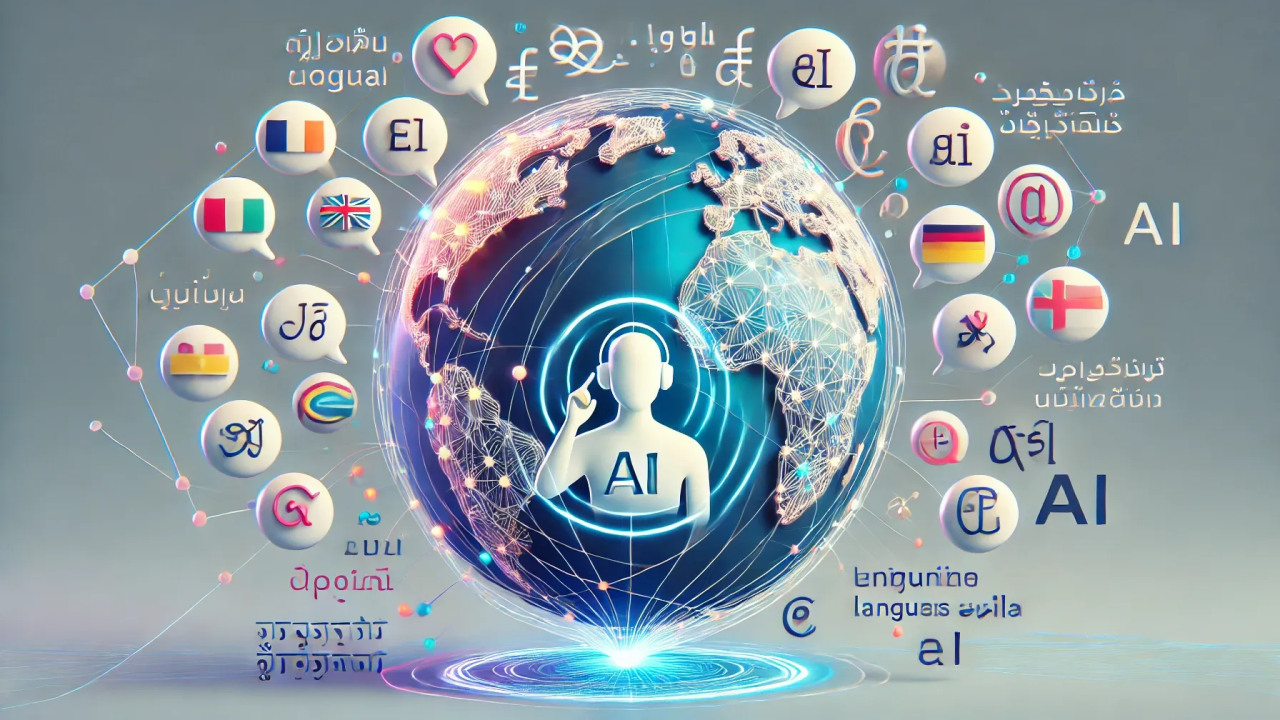
Nigeria is seeking to expand its homegrown artificial intelligence language initiative beyond its borders with the launch of the African Technology and Language Alliance for AI at Scale (ATLAS) Network, a continent-wide collaboration aimed at developing AI models that better understand Africa’s languages, cultures and knowledge systems.

The initiative was unveiled on Thursday, 23rd July, by the Minister of Communications, Innovation and Digital Economy, Bosun Tijani, during the opening of the 7th Ordinary Session of the African Telecommunications Union (ATU) Conference of Plenipotentiaries in Abuja.
ATLAS builds on Nigeria’s Nigerian Atlas for Languages and AI at Scale (N-ATLAS), an open-source project launched in 2025 to create datasets and multilingual AI models using Nigeria’s indigenous languages. By expanding the initiative across Africa, the Federal Government hopes to encourage countries, universities, researchers and technology organisations to jointly develop AI systems trained on African languages and local knowledge.
The move comes as concerns grow over the limited representation of African languages in today’s leading AI models, many of which have been trained primarily on English and other widely spoken global languages. According to Tijani, fewer than 2% of African languages are meaningfully supported by modern AI systems, despite the continent accounting for nearly one-third of the world’s languages.
Speaking at the launch, the minister said Africa must play a greater role in developing artificial intelligence that reflects its own realities instead of depending solely on technologies built using foreign datasets and perspectives.
He also urged African countries to work more closely on AI research, infrastructure and policy, describing the network as a platform for strengthening the continent’s collective AI capabilities.
The launch took place during the African Telecommunications Union conference, which brought together government officials and telecommunications stakeholders from across the continent to discuss Africa’s digital future.
Representing Vice President Kashim Shettima, Deputy Chief of Staff to the President Ibrahim Hadejia said Africa needs a stronger voice in shaping global digital policies as technologies such as artificial intelligence increasingly influence education, healthcare, governance and economic development.
He added that Nigeria would continue to engage with regional and international organisations, including the African Telecommunications Union and the International Telecommunication Union, to advance the continent’s digital interests.
ATU Secretary-General John Omo described the conference as an opportunity for African countries to strengthen cooperation on telecommunications and digital development. Delegates are expected to elect new leadership for the Union and consider policies that will guide its work over the next four years.
The launch of ATLAS reflects a broader push by African governments to reduce the continent’s dependence on foreign AI systems by developing local datasets and language models that better serve African users. Supporters of the initiative argue that improving AI’s understanding of African languages and cultural contexts could increase the accuracy and accessibility of AI-powered services across sectors such as education, healthcare, agriculture and public services.
If adopted by more African countries, the ATLAS Network could become one of the continent’s largest collaborative efforts to build AI infrastructure around Africa’s linguistic and cultural diversity rather than adapting models developed elsewhere.