



High-level gathering to examine Nigeria’s readiness for January 2027 payment data localisation deadline and growing digital infrastructure demands
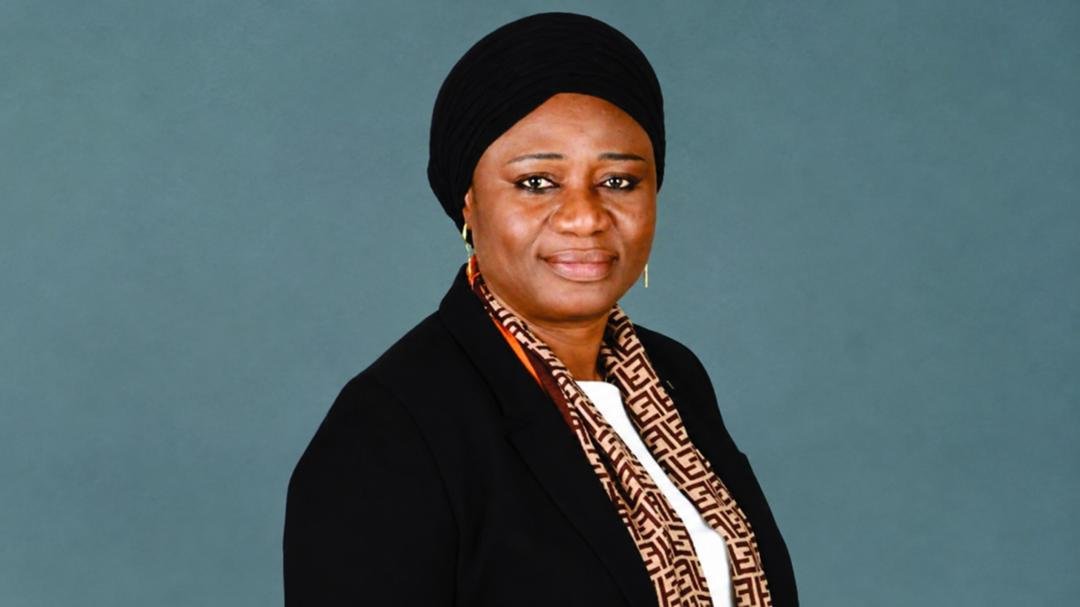
The Director of Payments System Supervision at the Central Bank of Nigeria (CBN), Dr Rakiya Opemi Yusuf, will headline the forthcoming TechTV Digital Economy and Energy CEO Roundtable, bringing regulatory perspectives to discussions on Nigeria’s readiness for the January 2027 payment data localisation deadline.

Scheduled for Thursday, November 19, 2026, at the Oriental Hotel, Lekki, Lagos, the high-level gathering will bring together policymakers, regulators, financial institutions, technology executives, energy-sector leaders, investors and infrastructure providers to examine the infrastructure requirements of Nigeria’s expanding digital economy.
Dr Yusuf will speak on the topic, “Building Resilient Payment Infrastructure for Nigeria’s Data Localisation Era: Regulatory Perspectives, Industry Readiness and the Road to 2027.”
Her participation comes as the CBN moves towards enforcing requirements for affected financial institutions to ensure that payment transaction data generated within Nigeria is stored and managed locally, with full compliance expected by January 1, 2027.
Her session is expected to examine regulatory expectations, implementation challenges and the level of industry preparedness required to build a secure, resilient and efficient domestic payment infrastructure.
Zauro to Lead Conversation on Inclusive Financial Infrastructure
Adding a policy and financial inclusion dimension to the programme, Dr Nurudeen Abubakar Zauro, Technical Adviser to the President on Economic and Financial Inclusion, will participate in a special fireside chat titled “Beyond Digital Access: Building Inclusive Financial Infrastructure for Nigeria’s 2027 Digital Economy.”
The discussion will explore how Nigeria can move beyond expanding access to digital financial services towards building an inclusive and resilient infrastructure that enables individuals, businesses and underserved communities to participate meaningfully in the digital economy.
Key areas of discussion will include digital payment systems, agency banking, mobile money, financial technology, digital identity and the infrastructure required to close financial inclusion gaps and expand economic opportunities.
The session will also examine the role of policy direction, regulatory coordination, private-sector investment and cross-sector partnerships in ensuring that digital transformation delivers benefits beyond major urban centres and established financial institutions.
As Nigeria approaches 2027, the challenge extends beyond connecting more people to digital services to ensuring that access is affordable, reliable, productive and economically meaningful.
Dr Zauro’s participation is expected to provide an important national policy perspective on placing inclusive financial infrastructure at the centre of Nigeria’s digital economy ambitions.
Other confirmed speakers include Mrs Temitope George, Chief Executive Officer of the Lagos State Electricity Regulatory Commission (LASERC), who will bring perspectives on electricity market regulation, institutional reforms and the development of a competitive and investment-friendly electricity market.
Also participating is Dr Obioha Oti, President of the Association of Mobile Money and Bank Agents in Nigeria (AMMBAN), whose contribution will focus on the mobile money and agency banking ecosystem, financial inclusion, digital payment distribution and the infrastructure supporting last-mile financial services.
Together, the speakers will provide perspectives spanning financial regulation, public policy, electricity market development, financial inclusion and private-sector infrastructure investment.
Why the Roundtable Matters
Nigeria’s expanding digital economy increasingly depends on interconnected infrastructure, with digital payments requiring resilient telecommunications networks, secure data environments and dependable computing capacity.
Data centres, which support financial technology platforms, cloud services and other digital operations, also depend on reliable electricity supply. This makes the relationship between energy security and digital infrastructure increasingly important to the country’s economic competitiveness.
Against this backdrop, the January 2027 data localisation deadline represents more than a regulatory compliance requirement. It also presents an opportunity to assess Nigeria’s capacity to develop and sustain the infrastructure needed to support its growing digital economy.
The roundtable is designed to move discussions beyond policy announcements towards practical industry readiness, investment priorities, regulatory coordination and partnerships required to strengthen Nigeria’s digital and energy infrastructure.
Discussions will cover payment systems, data centres, cloud infrastructure, cybersecurity, telecommunications, electricity supply, digital sovereignty and the broader investment environment.
About the DEECR Digital Economy and Energy CEO Roundtable
The Digital Economy and Energy CEO Roundtable (DEECR) is a high-level executive engagement convened by TechTV Network to bring together policymakers, regulators, corporate leaders, technology executives, investors and critical infrastructure stakeholders to address issues shaping Nigeria’s digital and energy future.
The invitation-led platform focuses on the intersection of digital infrastructure, energy security, telecommunications, financial technology, data centres, cloud computing, cybersecurity and investment.
Its objective is to stimulate informed policy conversations, strengthen public-private sector collaboration and advance practical solutions to infrastructure challenges affecting the competitiveness and sustainability of Nigeria’s digital economy.
The 2026 edition is themed “The 2027 Infrastructure Test: Preparing Nigeria for the Data Localisation Era.”
Through the initiative, TechTV Network seeks to provide a platform for executive thought leadership, industry intelligence and strategic conversations capable of influencing the direction of Nigeria’s technology and business ecosystem.
About Dr Rakiya Opemi Yusuf
Dr Rakiya Opemi Yusuf is the Director of the Payments System Supervision Department at the Central Bank of Nigeria, where she provides leadership in the oversight, supervision and development of the country’s payment systems.
She has more than three decades of professional experience spanning development financing, commercial banking, regulatory policy formulation, financial supervision and accounting.
Since joining the CBN in 2011, she has served in various supervisory capacities covering financial institutions and payment service providers.
Her professional contributions include participation in the development and implementation of the Payments System Vision 2025 strategy, which sought to deepen digital financial inclusion and strengthen Nigeria’s payment infrastructure.
Her responsibilities also include promoting the safety, efficiency and resilience of the country’s payment ecosystem through regulatory oversight, compliance monitoring and sound supervisory practices.
Her participation at the DEECR Roundtable is expected to provide valuable regulatory insights into payment infrastructure resilience, data localisation and the future of Nigeria’s digital financial services industry.