


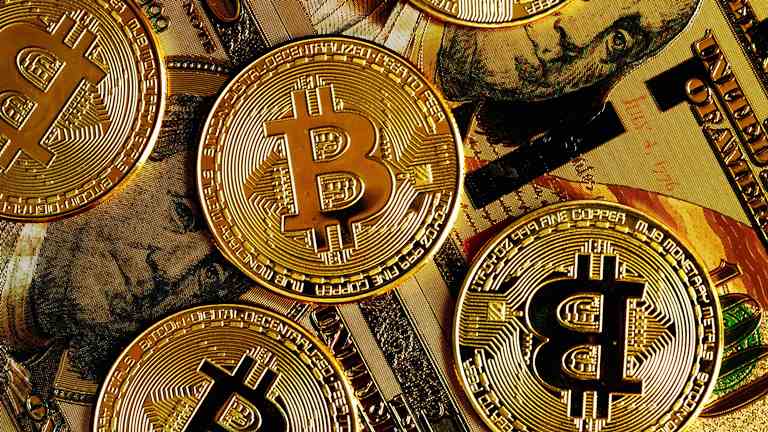
Bitcoin has rallied by 6% following the intensification of the political and financial crisis in Venezuela, pushing the world’s leading cryptocurrency back into the $92,000–$94,000 range.
Financial experts, including Nigel Green, CEO of deVere Group, suggest that the situation in Venezuela is acting as a real-time barometer for global geopolitical risk. As Washington ramps up pressure on Caracas, investors are increasingly turning to digital assets to hedge against sanctions, capital controls, and regional instability.
Gold was the undisputed leader of safe-haven assets for many years. However, the year 2026 is witnessing a structural shift in how investors construct their portfolios. According to deVere Group, Bitcoin is now fulfilling a similar role for a new generation of investors. Unlike gold or physical cash, Bitcoin offers portability because it can be moved across borders instantly.
It provides censorship resistance by operating independently of any single government or central bank. Furthermore, Bitcoin offers 24/7 market liquidity, with an “always-on” structure that allows investors to react to geopolitical shocks in real time while traditional stock and bond markets are closed.
What began as a survival tactic for Venezuelan citizens has now become a blueprint for global institutional investors.
Venezuela continues to rank as one of the most crypto-active countries per capita. The widespread use of peer-to-peer (P2P) markets and stablecoins in the region has demonstrated that digital infrastructure can replace failing traditional systems.
The recent price move outpaced many traditional safe-havens, signaling that digital markets are maturing. Investors are no longer viewing Bitcoin solely as a speculative gamble but as a dynamic tool for capital allocation when political uncertainty spikes.
“Political risk is now priced not just in equities and bonds, but in digital assets as well,” says Nigel Green, CEO of deVere Group. “While traditional markets were still digesting the implications of the strikes, crypto markets were already repricing risk.”
As sanctions regimes expand and trade relationships remain under strain throughout 2026, the demand for assets outside the reach of centralized systems is expected to grow. For many, the crisis in Venezuela isn’t just a regional issue—it’s a reminder of why decentralized finance exists.