


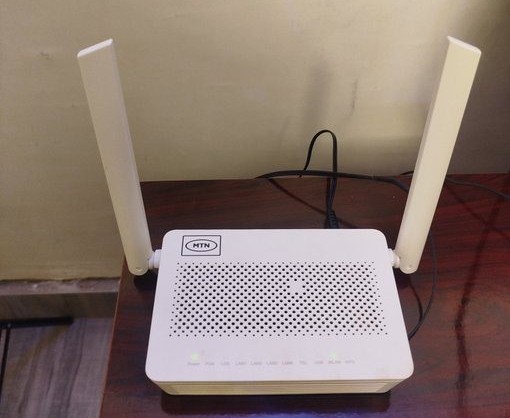
MTN FibreX has officially crossed the 100,000-subscriber threshold, cementing its position as the undisputed leader in the Fibre-to-the-Home (FTTH) market. As of February 2026, the service boasts 110,564 subscribers, commanding a staggering 88.7% market share of the nation’s fixed-wired connections.
The journey to the top has been characterized by a meteoric rise. Following a strategic rebranding from Fibre Broadband to FibreX in April 2025, the service saw a 639% increase in users. To put this in perspective, the service had previously fluctuated between 2,000 and 9,000 users for years; in the ten months following the rebrand alone, it added over 95,000 new customers.
The surge in interest is about a fundamental shift in how Nigerians consume data rather than just branding. FibreX has positioned itself as the premium solution for several key demographics as the demand for heavy-duty bandwidth grows.
The service caters to speed seekers by promising speeds up to 1Gbps, allowing users to move large files without the bottlenecks common in mobile data. It has also become the primary choice for the remote workforce because its ultra-low latency supports professionals working from home and businesses relying on cloud operations. Additionally, the modern household benefits from the unlimited data proposition, which powers smart devices, competitive gaming, and 4K streaming while eliminating the anxiety of data exhaustion.
While the fixed-wired market features several veteran players, the gap between MTN and its competitors has widened into a chasm.
The growth of FibreX reflects a broader trend in African telecommunications: the move toward hardened physical infrastructure. By investing heavily in fixed wired services, MTN is bypassing the traditional limitations of mobile towers, providing a sovereign level of connectivity that is less susceptible to the congestion of wireless networks.
As Nigeria continues to digitize, the success of FibreX suggests that the future of the local internet isn’t just mobile, it’s fixed, fast, and domestic. For MTN, the 100,000 mark isn’t just a number; it is a signal that the Nigerian consumer is finally ready for world-class broadband speeds.