


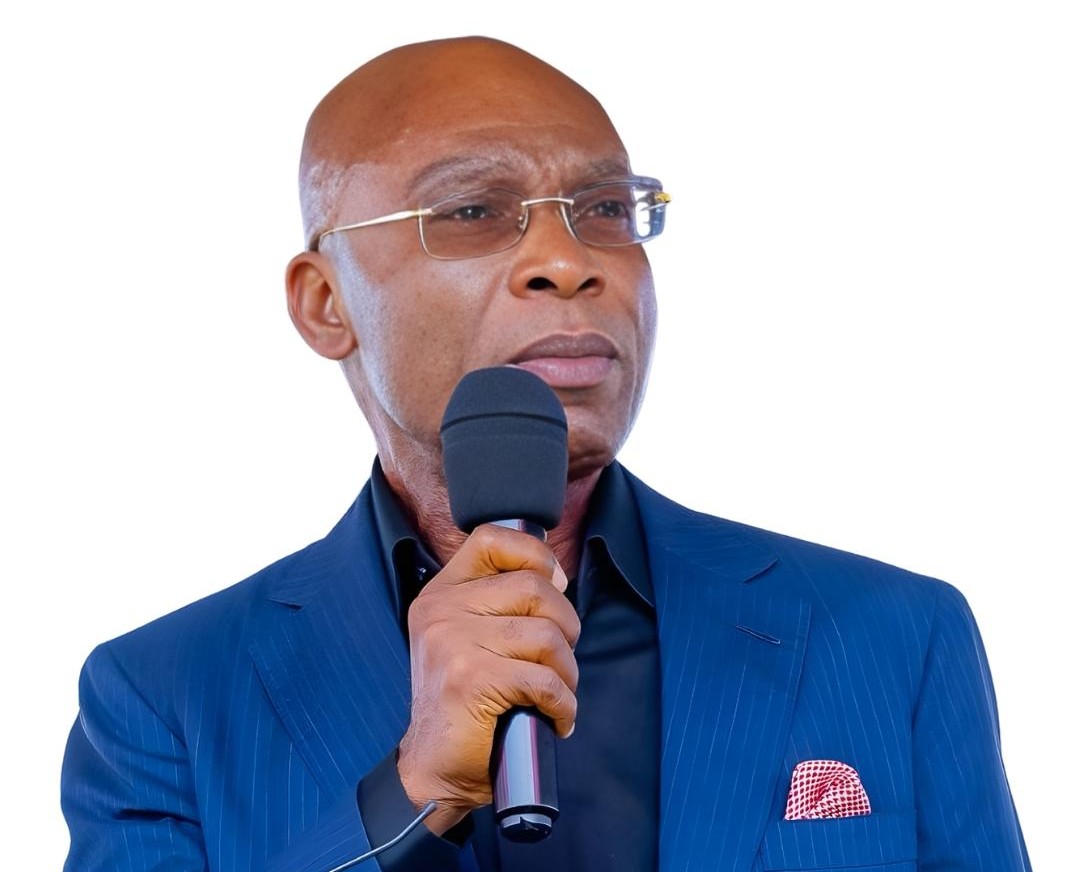
By Martin Ekpeke
In a world where billionaire milestones are typically marked by champagne towers, private islands, and headlines detailing the guest list, Leo Stan Ekeh is doing something disruptively different.
As the Chairman of Zinox Group and Africa’s foremost tech icon prepares to turn 70 on February 22, the mega-party many expected is nowhere to be found. Instead, Ekeh has committed to a spiritual mandate that looks less like a celebration and more like a revolution: a multi-billion-naira investment to put 1,000 indigent Nigerian wiz-kids through university to study Computer Science.
To understand why a man at the pinnacle of African tech would choose scholarships over a soirée, you have to look at the boy he once was. Before the Icon of Hope decorations and the Forbes accolades, Ekeh was a humble mass servant and chorister in the Catholic Church at Ubomiri, Imo State.
“I am a miracle child. I took the pain before the pleasure alone. No person around me, even though educated, had tech knowledge to advise me,” Ekeh reflects on the journey so far.
That early isolation fueled a 40-year career that built brands like Zinox, TD Africa, and Konga. Now, as he enters his seventh decade, he is determined to ensure the next generation of brilliant children from poor homes; those whose parents earn below Government Level 10 don’t have to walk that lonely path.
For Ekeh, this isn’t just charity; it’s a matter of national security. He speaks with a sense of urgency about the knowledge century and the risk of Nigerians becoming slaves in our own country.
“The man who controls your tech resources decides your profit level and how far your country can grow,” said Ekeh, warning that only four God-anointed tech wiz-kids can alter the GDP of this country in five years.
The scholarship initiative is designed to create a new generation of tech wiz-kids to support the growth of Nigeria’s oil and gas, banking, and manufacturing sectors. These students won’t just get a degree; they will receive tech mentors from year one and be groomed as Global Tech Citizens. Crucially, they will not be bonded, but they are being gifted their education to disrupt the global wealth equation in favour of Nigeria.
Ekeh’s philosophy is a rare breed in the corporate world: capitalism with a human face. He lives by a simple, profound truth: “No one came with and shall leave this earth with cash,” he added.
This 70th-birthday initiative is an extension of a lifetime spent in the shadows of philanthropy. Whether it’s the TD Africa project aiming to produce 10,000 female tech experts or the entrepreneurship centers recently launched in Lagos, Kebbi, and Imo states, Ekeh prefers the quiet impact over the media buzz.
While he admitted to working an average of 20 hours a day with near-zero holidays, Ekeh credits his vitality to his faith, his superstar wife, and a life free of alcohol and smoking.
“If we are successful with this spiritual mandate, I can then celebrate my 100 years on earth with a bang,” he says with a touch of wit. “With God and AI, I am aiming to make 120 years.”
As February 22 approaches, there may not be a lavish ballroom filled with Nigeria’s elite, but in classrooms across the country, 1,000 futures are about to be rewritten. For Leo Stan Ekeh, that is the only gift worth having.