


In Nigeria, one phrase captures the endless stream of troubles that trail daily life: “Wahala no dey finish.” This timeless street slang now finds fresh relevance in the realm of mobile banking, especially with the storm brewing between telcos, banks, and the supposed “saviour” in between, the Nigerian Communications Commission (NCC). After years of battles over who should bear the cost of USSD transactions, the NCC made a grand intervention: as we advance, customers would pay USSD fees directly from their airtime, not their bank accounts.
At first glance, this appeared like a clear-cut win. No more bank debits. No more inter-corporate disputes spilling into the public domain. The problem, however, is that while the squabbling giants may have agreed to stop fighting, it’s the unsuspecting Nigerian consumer who is now being short-changed, quite literally.
The NCC’s policy to move USSD charges directly to consumers’ airtime accounts was heralded as a user-friendly solution. With this move, telcos could now collect fees instantly, sidestepping the previously convoluted billing process that required bank involvement.
On paper, the process seems fair: you initiate a USSD banking session, you’re charged N6.98 for the service, and you proceed to complete your transaction. In reality, however, this is where the chaos begins.
Today alone, I attempted four USSD transactions on my mobile phone. Not one of them completed. The system failed at various points, some before I could input my PIN, others at the point of confirming the amount. Yet, for each attempt, I received the same cheerful text message:
“Your last USSD session was successful and charged at N6.98. Main Bal: 853.24.”
Successful? Really?
Let’s break this down. Transferring money via USSD is typically a six-step process:
- Dial the code
- Select transfer option
- Input account number
- Confirm name/amount
- Enter PIN
- Transaction completes
My session fails between step 3 and 4, yet the N6.98 has already been deducted by the second step. Where’s the value in that?
This is the critical question: If a USSD transaction fails, and value isn’t delivered, no money is sent, no confirmation is received, why should users still be charged? It’s akin to paying a taxi fare for a trip you never took. Worse still, there is no obvious path to recourse or refund.
While banks previously handled disputes with some structure, telcos are not exactly known for efficient customer care. You call, you queue, you explain, and in the end, you get told to “try again later.” So, are we now in a system where users get taxed for failed services with no accountability?
In Lagos parlance, “one chance” refers to a fraudulent situation disguised as legitimate transport. Many Nigerians are beginning to feel that this new USSD billing system may just be the digital equivalent. You think you’re initiating a transaction, and boom, before you know it, your airtime is gone and you have nothing to show for it.
Even more worrying is the absence of a seamless complaint resolution channel. If a telco charges you repeatedly for incomplete sessions, who do you report to? NCC? The telco’s customer service? Your bank? There’s a growing fear that the consumer is now trapped in a billing Bermuda Triangle.
In my mind, to regain user trust and ensure fairness, several things must happen urgently:
- Transparent Billing Logic: The charge must only apply after the transaction is completed. It’s unethical to charge for an incomplete process.
- Instant Refunds for Failed Sessions: Just like bank reversal notifications, telcos must auto-refund airtime where a session fails or terminates prematurely.
- Centralized Dispute Resolution Platform: NCC must compel telcos to create user-friendly, time-bound dispute resolution platforms where customers can easily report and resolve airtime deductions for failed transactions.
- Consumer Awareness Campaigns: Many Nigerians are still in the dark about this billing change. There must be a comprehensive public awareness initiative to educate users on how the system works and how to seek redress.
- Monthly Public Report on USSD Deductions: NCC should demand transparency. Telcos must publish regular reports on total USSD charges, refunds processed, and customer complaints handled.
Wahala, truly, no dey finish. From endless queues at the bank to USSD sessions that deduct airtime but deliver no service, Nigerians are once again caught in the web of poor systems and zero accountability. The NCC must step up. Telcos must clean up. And consumers must rise up, to demand fairness, transparency, and value for every kobo deducted from their airtime.
The real question remains: If this system continues unchecked, are we now paying to be frustrated?
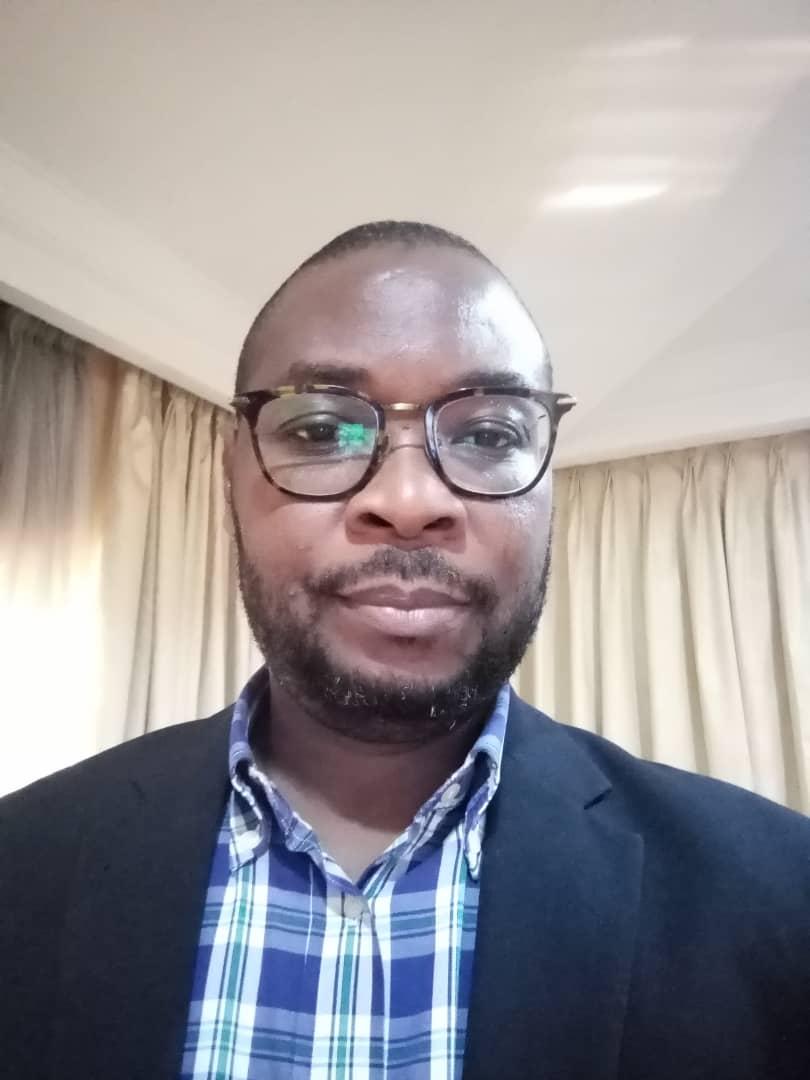
Elvis Eromosele, a corporate communications professional and sustainability advocate, wrote via elviseroms@gmail.com.