


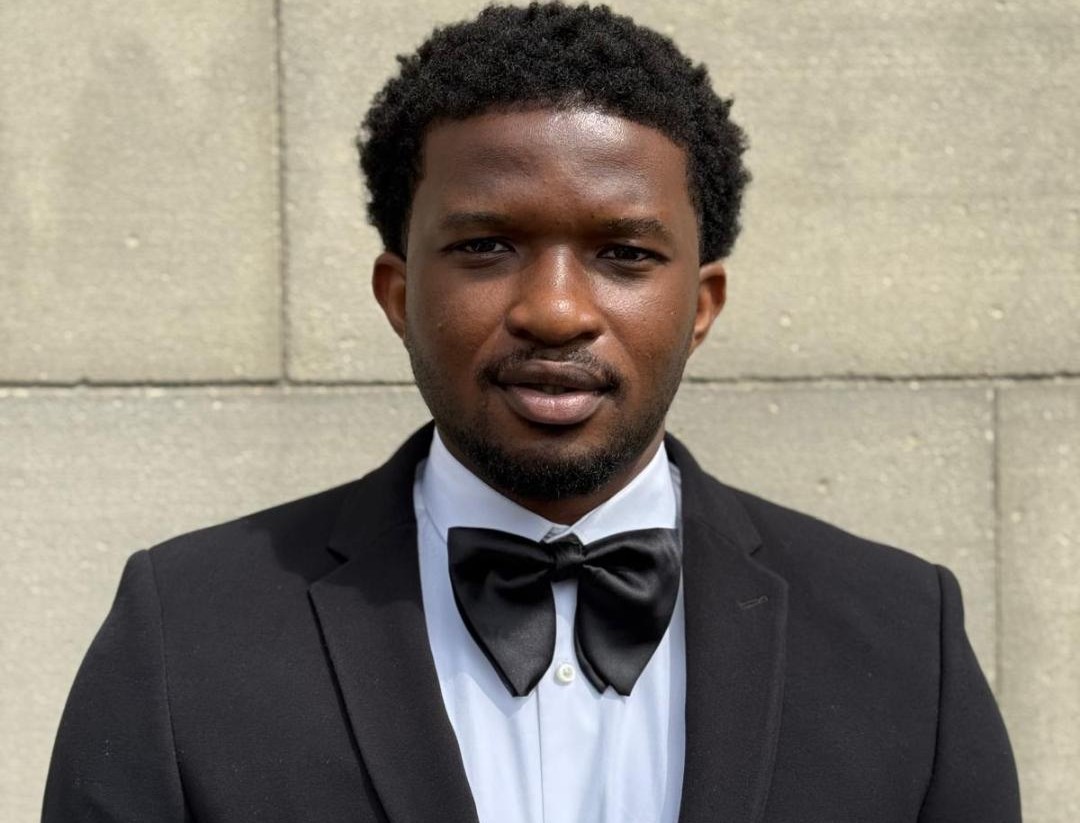
In many high-growth tech environments, senior engineers are at a crossroads: do they simply build, or do they also shape the path forward?
Technical abilities are only the starting point for Yusuf Farouk, a seasoned Senior Cloud DevOps Engineer. His true contribution is in bridging code and culture, such that engineering choices not just inform systems but inform product vision, stakeholder adoption, and user outcome-based results.
Yusuf’s leadership came into focused relief when Pronti AI scaled its backend infrastructure.
With a tsunami of new features, inter-team dependencies, and changing business priorities to deal with, he did not get mired in the weeds.
Instead, he initiated disciplined engineering cadence, regular architectural syncs, code guilds, and strategy forums that gave engineers visibility into how their technical choices drove bigger product ambitions. Under his guidance, the team never lost sight of user value, even as complexity multiplied.
Decision intelligence is a recurring theme in Yusuf’s work. He introduced lightweight tech memos short, focused documents that explained trade-offs, implementation paths, and rollback plans.
By curating these memos as a source of truth across tech and product teams, Yusuf moved conversations from reactive discussions in Slack to preemptive clarity around system health, performance risks, and delivery confidence.
It’s a small habit but one that dramatically reduced sprint delays and aligned engineers and PMs around shared outcomes.
Yusuf also deliberately integrated SRE thinking into product planning. When Pronti AI experienced intermittent timeouts in peak hours, he championed the adoption of observability tools like Prometheus and Grafana.
But he didn’t stop at dashboards, he organized post-mortem workshops where engineering and product teams dissected incidents together, tying failure patterns back to feature design decisions.
This opened a culture of shared responsibility: engineers owned clean implementations, PMs became alert to performance trade-offs, and both learned the importance of resilience design.
Most important, perhaps, was Yusuf’s career development and onboarding mentorship as an engineer. When new engineers came in, he ensured they not just learned the codebase but also the “why” behind design patterns, release workflows, and incident response playbooks.
His approach was a testament to his philosophy: great engineers don’t build, they develop team craft. Over time, it matured into greater autonomy, fewer escalations, and greater alignment of technical decisions with product goals.
Yusuf’s influence extended beyond the immediate team. He had recurring forums with cross-functional stakeholders product, UX, ops to plan future features, align on reliability goals, and establish guardrails for risk.
In this manner, he made tech an early aspect of strategy, rather than an afterthought. Product launches were smoother as a result, performance budgets realistic, and trade-offs transparent to all.
In summary, Yusuf Farouk exemplifies how senior engineers can be architects of both systems and culture. His soft power ranging from documentation practices to observability advocacy and cross-team forums has reshaped how engineering contributes to product success. In doing so, he proves that real technical leadership lies in shaping engineering practices that scale with the team, protect customers, and elevate product impact.