


By Martin Ekpeke
Nigeria is currently caught in a high-stakes paradox, where on one hand, the federal government is pushing the BRIDGE project, an ambitious $2 billion initiative designed to lay 90,000 kilometers of additional fiber optic cable to close the country’s massive broadband gap.
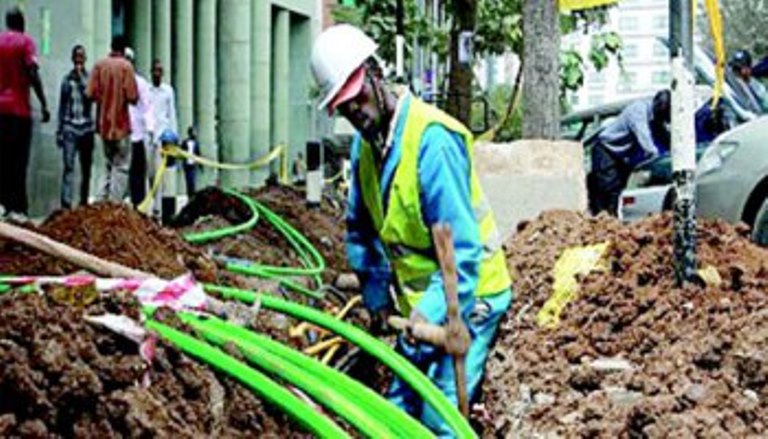
On the other hand, the existing infrastructure is being destroyed faster than it can be protected, leading to the recent warning by the Nigerian Communications Commission (NCC) and the Nigeria Security and Civil Defence Corps (NSCDC) to construction companies and government contractors.
According to industry data for 2025/2026, major operators like MTN and Airtel report an average of 25 fiber cuts per day. These aren’t just technical glitches; they are catastrophic breaks that trigger digital blackouts, paralyzing banks, disrupting healthcare systems, and costing the economy billions of Naira in lost productivity.
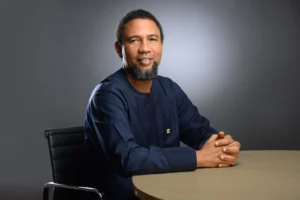
“With growth comes greater responsibility. The fibre cuts, theft, and vandalism directly disrupted services, and we take responsibility for these realities,” MTN Nigeria CEO Karl Toriola stated in the company’s 2025 Wrapped,” a candid assessment of its successes and systemic struggles.
The core of the crisis lies in a culture of negligence. For decades, telecommunications infrastructure in Nigeria was treated as secondary to physical roads and bridges. Road contractors often operate without consulting maps, and vandals frequently dig up cables under the mistaken belief that they contain expensive copper.
“We are trying to build a 5G future on a physical foundation that the public treats as disposable. You cannot have a ‘Smart City’ if your ‘Smart Cables’ are being ripped out by an excavator every 24 hours,” Gbenga Adebayo, Chairman of Association of Licensed Telecommunications Operators of Nigeria (ALTON) noted in one of the association’s statements.
However, the tide is beginning to turn. For the first time, the Nigerian government has put teeth into its rhetoric through the Critical National Information Infrastructure (CNII) Executive Order, which makes telecommunication fiber officially a critical national asset.
“Under the CNII Order 2024, telecommunication fibre infrastructure is classified as Critical National Information Infrastructure. Consequently, any damage resulting from unauthorized digging, construction activities, or failure to collaborate with relevant authorities to prevent damage during construction constitutes a criminal offence,” the NCC said through a statement signed by Mrs. Nnenna Ukoha, Head of the Public Affairs Department.

The CNII elevates fiber cables to the same protected status as oil pipelines and power grids. The impact is already being felt in the courtrooms. Last month, a major international construction firm was served with a landmark lawsuit and a massive fine for willful negligence after ignoring NCC warnings regarding fiber locations in Abuja. This shift from accidental damage to criminal negligence is the industry’s new frontline.
Repairing a fiber cut is a delicate, expensive surgery. It requires fusion splicing, where engineers join glass strands thinner than a human hair using specialized equipment in high-heat, high-pressure environments.
Beyond the technical cost, there is the settlement cost. Repair crews often face harassment from local area boys who demand payment before allowing technicians to access the trenches. These hidden costs are eventually passed down to the Nigerian consumer, contributing to the high cost of data and the persistent issue of data depletion caused by network instability.
A way out of the quagmire, experts argue, isn’t just better security, but better planning. Industry advocates are also pushing for a Dig Once policy, which would mandate that every new road project include pre-installed telecommunications ducts. This would allow fiber to be pulled through without ever needing to break the asphalt again.
The Fiber War is far from over. In the race to become Africa’s leading digital economy, Nigeria’s greatest challenge isn’t the software of the future; it’s the shovel of the present.