


Facebook Twitter LinkedIn RSS
    Trending
    • LG delivers solar-powered borehole in Owerri, pioneering clean water access in south-eastern Nigeria
    • Africa’s Digital Leap: Multilateral institutions move to solve the continent’s shortage of finance
    • MediaKing, Play Network to roll out free public Wi-Fi in Lagos, Abuja
    • Nigerians report FibreX failures, activation delays as MTN faces backlash online
    • Africa needs to establish domestic cloud infrastructure and data sovereignty – Inuwa
    • AI: Nigeria shifting defense strategy toward total resilience
    • CrowdB validates fractional real estate model with 50%+ returns in first cycle
    • MTN Nigeria celebrates 25th anniversary with expanded Media Innovation Programme
    Facebook Twitter LinkedIn
    ITPulse.com.ngITPulse.com.ng
    • News
    • Interviews
    • Blogs
    • Analysis
    • Opinion
    • Videos
    • Press Releases
    • Pictures
    • Advertise
    ITPulse.com.ngITPulse.com.ng
    Home»News»Microsoft threat report: AI-enhanced phishing puts Africa on high alert
    News 3 Mins Read

    Microsoft threat report: AI-enhanced phishing puts Africa on high alert

    mmBy ITPulseOctober 22, 2025159 Views
    Facebook Twitter WhatsApp Pinterest LinkedIn Reddit Tumblr Email
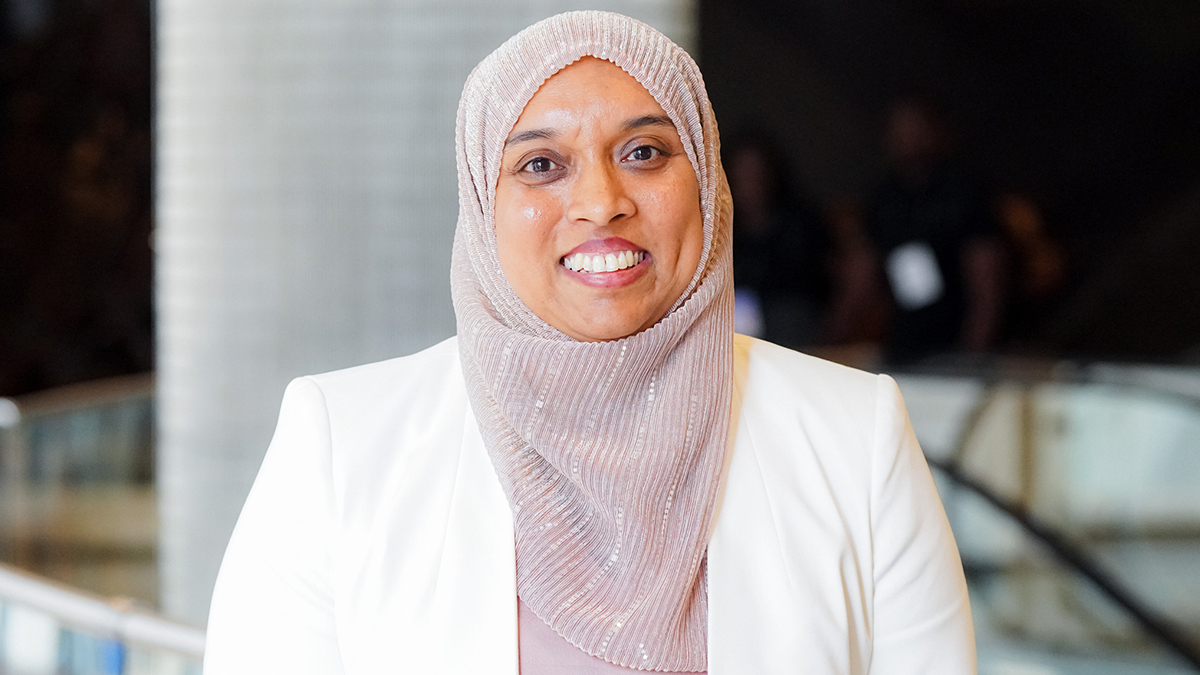
    Kerissa Varma
    Kerissa Varma
    Share
    Facebook Twitter LinkedIn Pinterest Email

    By Martin Ekpeke

    The 2025 Microsoft Digital Defense Report presents a comprehensive and critical view of the global cyberthreat landscape, offering urgent insights for business leaders across Africa. Drawing from Microsoft’s monitoring of over 100 trillion daily security signals, the report highlights a significant expansion in cybercriminal reach, with a growing focus on the African continent.

    Kerissa Varma, Microsoft’s Chief Security Advisor for Africa, stated that the continent is now a central testing area for advanced tactics.

    “Africa isn’t just a target; it has become a proving ground for the latest cyber threats. We’re witnessing attackers harness AI to craft phishing messages tailored to local languages and cultural contexts, impersonate trusted individuals, and exploit the very platforms we depend on. Many of these advanced tactics are first tested right here on the continent.”

    The report notes that nation-state actors and criminal groups are refining their methods by harnessing Artificial Intelligence (AI), exploiting trusted platforms, and targeting high-value industries with remarkable accuracy.

    The primary motive for attackers operating in Africa is financial gain, with data theft being the goal in 80% of the cyber incidents investigated by Microsoft’s security teams last year.

    The economic impact of cybercrime has escalated sharply across the continent:

    • Total Value of Cybercrime: Surged from $192 million to $484 million.
    • Victims: Increased from 35,000 to 87,000 (Source: World Economic Forum’s Cybercrime Impact Atlas Report 2025).

    The growing proficiency of criminal methods is best highlighted by Business Email Compromise (BEC), which is the most financially damaging threat:

    • BEC accounted for only 2% of observed threats but was the outcome in 21% of successful attacks, surpassing ransomware (16%).
    • Attacks often involve phishing, multi-factor authentication (MFA) tampering, and email thread hijacking tactics designed to build trust and enable privilege escalation.
    • South Africa is specifically identified as a global hotspot for BEC infrastructure setup and “money mule” recruitment.

    Artificial Intelligence is fundamentally changing the effectiveness of cyberattacks:

    • Phishing Boost: AI-enhanced phishing campaigns now achieve a 54% click-through rate—4.5 times higher than traditional methods—and can potentially boost profitability by up to 50-fold.
    • Autonomous Attacks: Attackers are deploying autonomous malware capable of lateral movement and privilege escalation without human oversight.
    • Identity Fraud: Microsoft reports a 195% global increase in AI-generated IDs used to bypass identity verification, exploit free trials, and launch large-scale attacks.

    Furthermore, adversaries are favoring multi-stage attack chains that blend technical exploits (like exploiting vulnerabilities), social engineering, and infrastructure abuse (e.g., impersonation via Microsoft Teams) to bypass traditional defenses.

    Microsoft is urging African business leaders to fundamentally rethink their cyber resilience strategies.

    “This is a pivotal moment for African business leaders. Relying on trust alone is no longer enough, familiar platforms and tools can be turned against us. Critical cyberattacks often unfold beyond the reach of traditional endpoint detection, and early warning signs like credential theft should be treated as indicators of potentially larger breaches,” Varma cautioned. ”

    Varma concludes that by investing in comprehensive cybersecurity strategies and leveraging AI-powered defenses, Africa can position itself as a crucial front line against emerging threats and help build stronger, more resilient digital ecosystems.

    Microsoft’s Secure Future Initiative, the largest cybersecurity engineering project in its history, is currently helping organizations in Africa build resilience against these emerging threats.


    AI-enhanced phishing Microsoft
    Share. Facebook Twitter Pinterest LinkedIn Tumblr Telegram Email
    mm
    ITPulse
    • Website
    • Facebook
    • Twitter
    • LinkedIn

    ITPulse is a wholly information technology communication (ICT) news website, with a special focus on the African continent. The website provides up-to-date biz-tech news, analysis and comprehensive and thorough insight into the continent's ICT terrain

    Related Posts

    Africa’s Digital Leap: Multilateral institutions move to solve the continent’s shortage of finance

    April 10, 2026

    MediaKing, Play Network to roll out free public Wi-Fi in Lagos, Abuja

    April 10, 2026

    Nigerians report FibreX failures, activation delays as MTN faces backlash online

    April 10, 2026

    Leave A Reply Cancel Reply

    Subscribe to Updates

    Get the latest creative news from FooBar about art, design and business.

    Latest Posts

    LG delivers solar-powered borehole in Owerri, pioneering clean water access in south-eastern Nigeria

    April 10, 2026

    Africa’s Digital Leap: Multilateral institutions move to solve the continent’s shortage of finance

    April 10, 2026

    MediaKing, Play Network to roll out free public Wi-Fi in Lagos, Abuja

    April 10, 2026
    About
    About

    Itpulse.com.ng is a wholly information technology communication (ICT) news website, with special focus on the African continent. The website provides up-to-date biz-tech news, analysis and a comprehensive and thorough insight info the continent's ICT terrain.

    Contact us: editorial@itpulse.com.ng

    Facebook Twitter LinkedIn RSS
    Latest Posts

    LG delivers solar-powered borehole in Owerri, pioneering clean water access in south-eastern Nigeria

    April 10, 2026

    Africa’s Digital Leap: Multilateral institutions move to solve the continent’s shortage of finance

    April 10, 2026

    MediaKing, Play Network to roll out free public Wi-Fi in Lagos, Abuja

    April 10, 2026
    Popular Posts

    Nigerians report FibreX failures, activation delays as MTN faces backlash online

    April 10, 2026

    Africa needs to establish domestic cloud infrastructure and data sovereignty – Inuwa

    April 9, 2026

    CrowdB validates fractional real estate model with 50%+ returns in first cycle

    April 9, 2026
    © 2017 - 2026 Itpulse.
    • Terms & Conditions
    • Privacy Policy
    • Advertise
    • Contact Us

    Type above and press Enter to search. Press Esc to cancel.