



By Martin Ekpeke
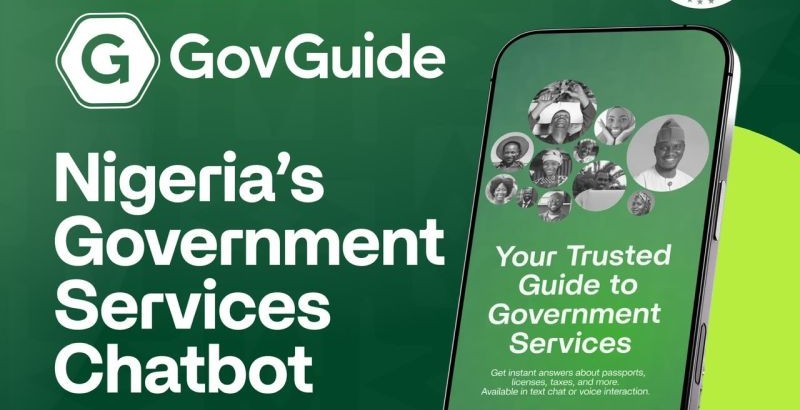
The Federal Government has officially launched #GovGuideNigeria, an ambitious AI-powered platform designed to provide citizens with instant access to information across 35 federal ministries and over 60 government agencies.

The platform, announced by the Minister of Communications, Innovation and Digital Economy, Dr. Bosun Tijani, is available via WhatsApp and the web. Notably, it supports English, Hausa, Igbo, and Yoruba, aiming to bridge the information gap for millions of Nigerians, including those in underserved and low-literacy communities.
The launch has ignited a vibrant debate among tech experts, policy analysts, and everyday users on social media, with reactions ranging from high praise for its “user-centric design” to serious questions regarding data sovereignty and technical depth.
For many, GovGuide represents a masterclass in digital inclusion. By deploying on WhatsApp, Nigeria’s most popular messaging app, the government is meeting citizens where they already reside.
“Deploying this through WhatsApp and integrating local languages is a masterclass in user-centric design,” noted Brand Identity Strategist Innocent Ujah. Others, like Wealth Architect Bisi Olabode, emphasized that the true test of the platform will be its impact on the market woman, the roadside trader, and the rural household.
Key highlights of the platform include centralized access that consolidates information from over 60 agencies into a single chat interface, as well as multilingual support designed to remove the English-only barrier to governance. Furthermore, the project represents a significant collaboration, having been developed through a partnership between NCAIR Nigeria, Meta, and local innovator Publica AI.
Despite the excitement, the involvement of Meta, a foreign private entity, has raised red flags for some in the tech community.
Mmokomabasi Uko, a product marketing strategist, questioned the hosting infrastructure: “I would like to inquire whether this app is hosted on Nigerian servers, or if we are still exporting citizens’ data to foreign infrastructures where it could potentially be exploited against us.” Similar sentiments were echoed by others who questioned the red line between federal products and foreign big tech.
Some users reported early technical hiccups, including site downtime and “I don’t know” responses to local governance questions. Lawrence Chiagozie, a ManuTech fellow, argued that generic platforms like Gemini currently outperform the bot. “Launching a federal chatbot isn’t something to shout about when the real conversation should be focused on true infrastructure and digital sovereignty,” he stated.
Meanwhile, the conversation has quickly shifted toward how the government can sustain this momentum, with public recommendations including the expansion of the model to security agencies like the Nigeria Police Force and FRSC for incident reporting and complaint tracking. There are also calls for language growth by adding Nigerian Pidgin to further deepen inclusivity, alongside the development of a robust adoption strategy to transition from launch hype to a long-term community engagement plan that ensures the platform doesn’t join the graveyard of neglected government tech.
While the “GovGuide” launch is undoubtedly a milestone in Nigeria’s digital public infrastructure (DPI) journey, the public response suggests that Nigerians are no longer satisfied with just innovation; they are demanding accountability, data security, and real-time accuracy.
Nigerians can now access GovGuide via govguide.ng or through its dedicated WhatsApp channel to inquire about government services and agency operations.