



Nigeria is taking decisive steps to position itself as West Africa’s premier digital gateway, initiating a cross-border connectivity partnership with Burkina Faso that aims to cut the landlocked nation’s internet costs by up to 50%.
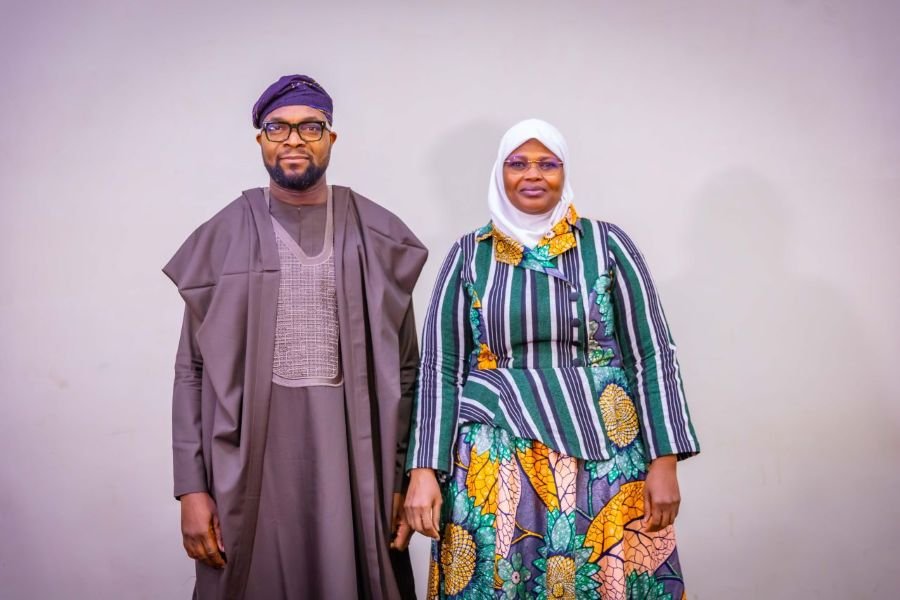
The strategic milestone follows high-level bilateral talks in Ouagadougou between Nigeria’s Minister of Communications, Innovation and Digital Economy, Dr. Bosun Tijani, and Burkina Faso’s Minister for Digital Transition, Posts and Communication, H.E. Dr. Aminata Zerbo-Sabané.

At the center of the engagement is Project BRIDGE, Nigeria’s flagship broadband infrastructure project designed to deploy 90,000 kilometers of open-access fiber-optic cable nationwide and extend terrestrial connectivity to neighboring African nations.
To achieve the targeted 50% reduction in internet transit costs for Burkina Faso, technical teams from both countries will model and establish optimized terrestrial fiber routes along two primary transit corridors: Nigeria – Niger – Burkina Faso and Nigeria – Benin – Burkina Faso.
 By leveraging Nigeria’s extensive submarine cable landings and expanding national fiber backbone, the initiative aims to provide Burkina Faso with direct, resilient, and high-capacity internet access, lowering reliance on more expensive, long-distance transit links.
Both ministers agreed to establish a joint Technical Working Committee to design the operational framework for the implementation of the partnership.
The bilateral agreement extends beyond physical fiber deployment into broader digital economy cooperation. For talent development, the two countries will share Nigeria’s landmark 3 Million Technical Talent (3MTT) training framework to support digital skills in Burkina Faso. Regarding ecosystem links, the initiative will connect startup networks in both nations while supporting Burkina Faso’s Innovation Campus. Additionally, the emerging tech collaboration includes joint initiatives in Artificial Intelligence (AI), local-language technologies, shared compute resources, cybersecurity, and research.
The visit to Ouagadougou is part of a broader four-nation diplomatic engagement by Minister Tijani to connect Nigeria with its direct neighbors. Following initial engagements in the Benin Republic, upcoming stops on the regional tour include Niger and Chad.
Highlighting the overarching vision behind the diplomatic push, Dr. Bosun Tijani emphasized Nigeria’s commitment to driving regional economic integration.
“Beyond delivering faster, more affordable, and resilient internet for Nigerians, our objective is to leverage Nigeria’s growing digital infrastructure and capabilities to create shared prosperity across our borders, deepen regional economic integration, and position Nigeria as a trusted digital gateway to West Africa and the Sahel,” Tijani stated.
As Nigeria transitions Project BRIDGE into its active deployment phase, these cross-border agreements demonstrate how the country’s multi-billion-dollar digital infrastructure investments are set to reshape telecom economics across the entire sub-region.