


The Nigerian Communications Commission (NCC) has told stakeholders in the country’s telecom industry that it is poised to make a significant leap in telecommunications technology as it prepares to allocate the 6GHz band for Wi-Fi-6 applications.
Speaking at a public consultation event 2-day ago, the telecom regulator assured that the move will position Nigeria among the countries at the forefront of high-speed internet connectivity.
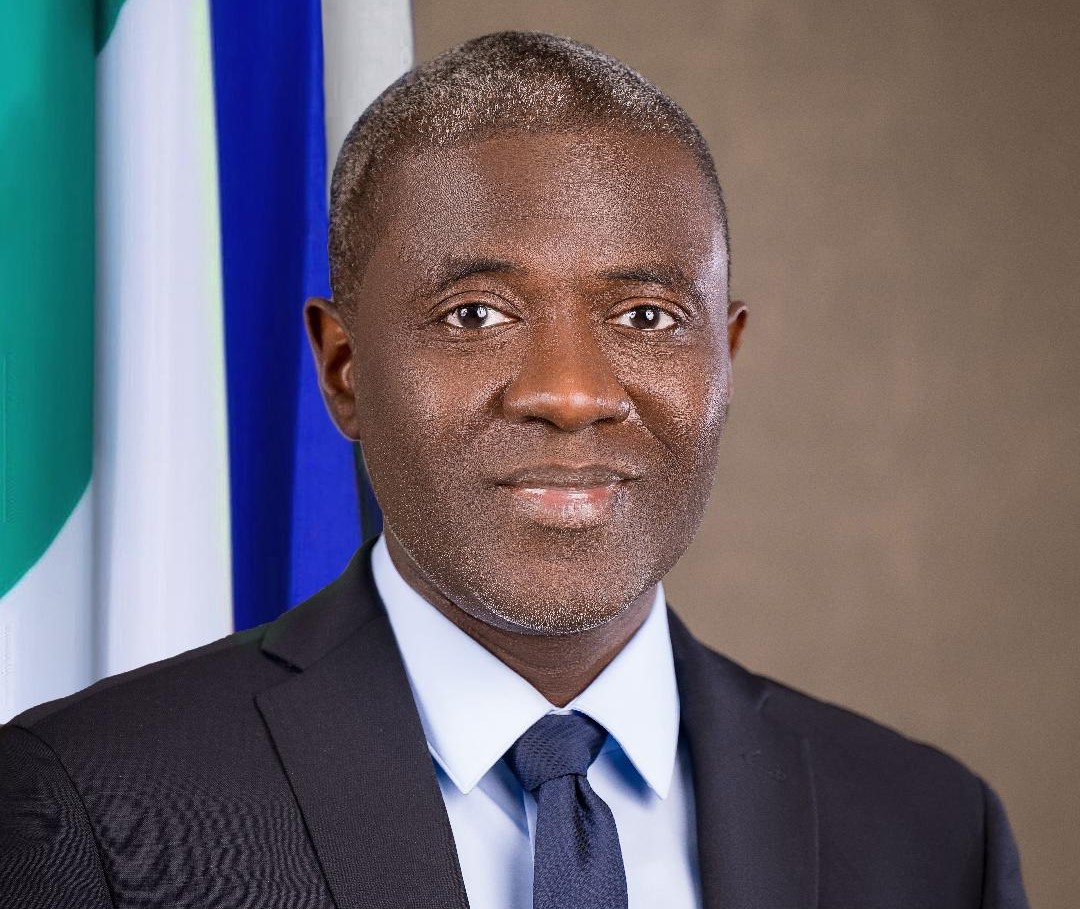
Engr. Abraham Oshadami, Executive Commissioner of Technical Services who spoke on behalf of the Executive Vice Chairman of the Commission, Dr. Aminu Maida outlined the NCC’s plans to leverage the 6GHz band to enhance Wi-Fi performance and meet the growing demand for data-intensive services.
“As a commission, we are committed to participatory regulation and sought input from industry stakeholders to inform its decision-making process. That is why we have called this meeting to brainstorm how best to leverage 6GHz band,” he said.
The 6GHz band offers a substantial increase in available spectrum, which is crucial for supporting advanced applications and ensuring reliable, high-speed internet access. As the demand for Wi-Fi connectivity continues to rise, the 5GHz and 2.4GHz bands are becoming increasingly congested. The 6GHz band provides a much-needed solution to address this capacity crunch.
The NCC’s initiative aligns with global trends, as the 6GHz band has been allocated for Wi-Fi and International Mobile Telecommunications (IMT) applications at the recent World Radiocommunications Conference (WRC-23).
By embracing the 6GHz band, Nigeria can unlock new opportunities for economic growth, innovation, and improved quality of life. The availability of faster and more reliable internet connectivity will benefit businesses, educational institutions, and individuals alike.
As the NCC moves forward with its plans, it is expected to finalize its decision on the allocation of the 6GHz band after considering the feedback from stakeholders. This important step will mark a significant milestone in Nigeria’s telecommunications landscape.