



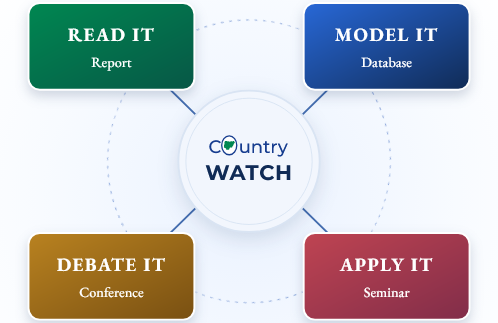
Nigeria’s external reserves have risen to $55.06 billion, while the economy grew by 4.43 per cent in the second quarter of 2026, according to the Q4 Economic Outlook released by Economic Associates and Proshare.
The report, published under their newly launched CountryWatch quarterly economic intelligence service, highlights improving external reserves and declining headline inflation but warns that rising food prices and gaps in socioeconomic data remain concerns.

According to the report, gross external reserves stood at $55.06 billion as of November 6, 2026, up from $34.95 billion in May 2023.
Headline inflation also declined to 14.63 per cent in September 2026. However, food inflation rose to 19.57 per cent in August, compared with 10.84 per cent in December 2025, highlighting persistent pressure on household purchasing power.
On economic growth, Nigeria recorded 4.43 per cent real GDP growth in Q2 2026, with 41 of 46 economic subsectors expanding. However, the report noted that the pace of growth acceleration had slowed.
Beyond the headline figures, CountryWatch identified gaps in data on household incomes, employment, access to essential services and security, which make it difficult to determine how economic improvements are translating into better living conditions.
The report provides quarterly economic projections through Q4 2027, covering baseline, upside and downside scenarios to help businesses, investors and policymakers assess emerging risks and opportunities.
CountryWatch is designed to connect Nigeria’s economic outlook with developments in global markets and conditions across Nigerian states, sectors and companies.