


Facebook Twitter LinkedIn RSS
    Trending
    • From AI Scholarships to Campus Safety: Tim Akano Receives Distinguished Alumni Awards
    • Respite as NDIC mulls partnership with NIBSS for depositors’ reimbursement
    • How Galaxy Backbone aided paperless civil service, as 31 ministries fully digital ahead of deadline
    • NCC moves to unlock gigabit speeds with new 6GHz spectrum guidelines
    • New Horizons CEO pledges continued it training support for Nigerian media
    • Nigeria wins global digital governance award at OGP Summit 2025
    • PalmPay announces ₦400 million festive rewards campaign with global travel prizes
    • TD Africa reaffirms zero-tolerance policy following conviction of former employee
    Facebook Twitter LinkedIn
    ITPulse.com.ngITPulse.com.ng
    • News
    • Interviews
    • Blogs
    • Analysis
    • Opinion
    • Videos
    • Press Releases
    • Pictures
    • Advertise
    ITPulse.com.ngITPulse.com.ng
    Home»Blogs»Smartphone addiction not different from substance abuse – study
    Blogs 2 Mins Read

    Smartphone addiction not different from substance abuse – study

    mmBy ITPulseApril 16, 2018
    Facebook Twitter WhatsApp Pinterest LinkedIn Reddit Tumblr Email
    Smartphone addiction
    Share
    Facebook Twitter LinkedIn Pinterest Email


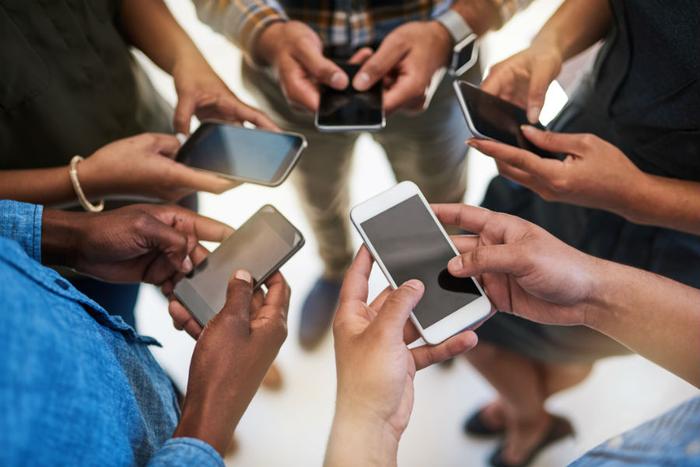
    People addicted to smartphones are more likely to feel depressed, anxious and lonely, a study has found.

    Researchers said that overuse of smart phones is just like any other type of substance abuse.

    “The behavioural addiction of smartphone use begins forming neurological connections in the brain in ways similar to how opioid addiction is experienced by people taking Oxycontin for pain relief – gradually,” said Erik Peper from San Francisco State University in the US.

    In a survey of 135 students, the researchers have found that students who used their phones the most reported higher levels of feeling isolated, lonely, depressed and anxious.

    According to the study, published in the journal NeuroRegulation, they believe the loneliness is partly a consequence of replacing face-to-face interaction with a form of communication where body language and other signals cannot be interpreted.

    The researchers also found that those same students almost constantly multitasked while studying, watching other media, eating or attending class.

    This constant activity allows little time for bodies and minds to relax and regenerate, said Peper, and also results in “semi-tasking,” where people do two or more tasks at the same time – but half as well as they would have if focused on one task at a time.

    The researchers noted that digital addiction is not our fault, but a result of the tech industry’s desire to increase corporate profits.

    “Push notifications, vibrations and other alerts on our phones and computers make us feel compelled to look at them by triggering the same neural pathways in our brains that once alerted us to imminent danger, such as an attack by a tiger or other large predator,” Pepper said.

    But, according to the researchers, we can take charge and train ourselves to be less addicted to our phones and computers.

    The first step is recognizing that tech companies are manipulating our innate biological responses to danger.

    Peper suggested that we should turn off push notifications, only respond to email and social media at specific times to focus on important tasks.


    Source: ET Telecom

    Smartphone addiction
    Share. Facebook Twitter Pinterest LinkedIn Tumblr Telegram Email
    mm
    ITPulse
    • Website
    • Facebook
    • Twitter
    • LinkedIn

    ITPulse is a wholly information technology communication (ICT) news website, with a special focus on the African continent. The website provides up-to-date biz-tech news, analysis and comprehensive and thorough insight into the continent's ICT terrain

    Related Posts

    PSR Honours Hilary Damissah with Nigerian Achievements Awards

    December 7, 2025

    Making quality education attainable for all African children

    December 5, 2025

    Konga extends Yakata sale to December 6 following  customer demand

    December 1, 2025

    Leave A Reply Cancel Reply

    Subscribe to Updates

    Get the latest creative news from FooBar about art, design and business.

    Latest Posts

    From AI Scholarships to Campus Safety: Tim Akano Receives Distinguished Alumni Awards

    December 20, 2025

    Respite as NDIC mulls partnership with NIBSS for depositors’ reimbursement

    December 19, 2025

    How Galaxy Backbone aided paperless civil service, as 31 ministries fully digital ahead of deadline

    December 19, 2025
    About
    About

    Itpulse.com.ng is a wholly information technology communication (ICT) news website, with special focus on the African continent. The website provides up-to-date biz-tech news, analysis and a comprehensive and thorough insight info the continent's ICT terrain.

    Contact us: editorial@itpulse.com.ng

    Facebook Twitter LinkedIn RSS
    Latest Posts

    From AI Scholarships to Campus Safety: Tim Akano Receives Distinguished Alumni Awards

    December 20, 2025

    Respite as NDIC mulls partnership with NIBSS for depositors’ reimbursement

    December 19, 2025

    How Galaxy Backbone aided paperless civil service, as 31 ministries fully digital ahead of deadline

    December 19, 2025
    Popular Posts

    How Galaxy Backbone aided paperless civil service, as 31 ministries fully digital ahead of deadline

    December 19, 2025

    How FairMoney is powering financial inclusion for Nigerian hustlers

    December 16, 2025

    The authentication crisis: Why passwordless systems are creating new security vulnerabilities

    March 16, 2023
    © 2017 - 2025 Itpulse.
    • Terms & Conditions
    • Privacy Policy
    • Advertise
    • Contact Us

    Type above and press Enter to search. Press Esc to cancel.