


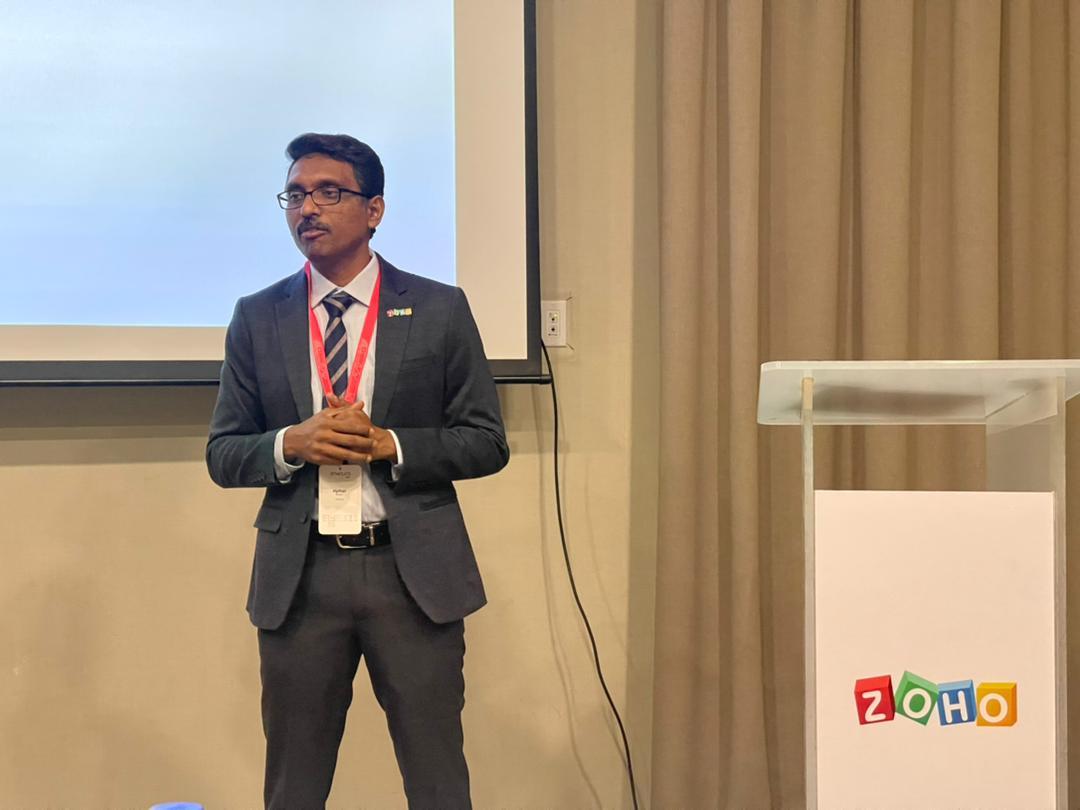
By Hyther Nizam
Nigeria has the largest market in Africa with a GDP standing at $514.05 billion in 2021 and a population of over 200 million people. The business scene in Nigeria is faced with many challenges and the survival of any business in this market is dependent on the adoption of successful strategies.
One successful strategy for businesses entering the Nigerian market is localisation. A strong long-term localisation strategy will help establish a presence among locals, earning their trust and eventually building brand loyalty. It is equally critical, however, for businesses to understand that localisation entails more than just providing pricing in local currencies. Instead, it has to be a holistic approach that involves customers, employees, and other relevant stakeholders.
Understanding localisation
Before digging into why localisation is so important and how to undertake it successfully, let’s discuss what it actually means. Localisation refers to the adaptation of a product or a marketing strategy to meet the needs of a specific locale through language, culture, or other relevant factors.
Localisation can be achieved in a number of ways. For example, a product company can offer a local language user experience (UX) and provide vernacular customer support. However, if a company uses a translation tool that doesn’t take into account local nuances, such a localisation attempt will create a negative brand perception.
On the other hand, a holistic approach can have major benefits for a business, including easier entry into new markets, increased customer satisfaction and brand loyalty, and ultimately improved revenue.
Beyond translation
Making your product or service available in the local language and providing support are the first few steps towards localisation. There are other considerations you should make too.
For example, if you have an online offering when you localise it to right-to-left (RTL) languages such as Hebrew, Persian, and Arabic, you should also enable a right-to-left oriented UX layout for better user experience.
Even something as simple as automatically detecting which date format to use in a specific territory (dd/mm/yyyy vs mm/dd/yyyy, for example,), or using a comma or dot when writing a large number, can go a long way in building brand affinity.
Local pricing is also important as it allows customers to avoid currency fluctuations. Furthermore, you can integrate your product with local payment gateways and other locally-popular third-party apps in order to increase adoption.
A culture of localisation
Real localisation, however, goes beyond localised offerings. It should be inculcated into your business’s culture. That means taking local cultures and ways of working into consideration when you enter new territories.
At Zoho, we have adopted an approach called “transnational localism”. It brings together the best features of global connectivity with local knowledge and insights. We hire locally in the new territories and train the new employees so that they intimately understand our various offerings and brand values. They, in turn, bring with them a deep understanding of the local markets and help adapt the offerings.
Ultimately, if your employees buy into this attitude, they’re also more likely to feel empowered to cater to the needs of local customers. This will enable smoother entry into new markets.
Taking advantage of the moment
It’s also worth pointing out that there’s never been a better time to take this kind of holistic approach to localisation. The past two years have accelerated digital transformation, and customers are more willing to adopt new products and offerings. Thanks to the rise of remote work, meanwhile, there are a whole host of workers who are ideally suited to working for global businesses and who can offer their expertise when it comes to localisation.
The businesses that take advantage of this unique set of circumstances to build fully localised offerings and an open culture of localisation will put themselves in the best possible position to succeed in their expansion plans.
Hyther Nizam heads Zoho’s Middle East & Africa (MEA) operations