


Facebook Twitter LinkedIn RSS
    Trending
    • FG unveils “fly now, pay later” scheme to ease domestic travel costs
    • From phones to flights: How “Buy Now, Pay Later” quietly became Nigeria’s answer to the cost of living
    • AI facial recognition is jailing innocent people — And Nigerians could be next
    • Expert highlights four ways AI is changing how Nigerians discover businesses
    • Payment forum to shape future of digital commerce and AI in Nigeria
    • Trial of the Telcos: Is trust the final casualty of the tariff war?
    • UK-Nigeria tech corridor explodes as Tinubu state visit ignites £124m investment surge
    • FairMoney strengthens corporate governance with key board and executive appointments
    Facebook Twitter LinkedIn
    ITPulse.com.ngITPulse.com.ng
    • News
    • Interviews
    • Blogs
    • Analysis
    • Opinion
    • Videos
    • Press Releases
    • Pictures
    • Advertise
    ITPulse.com.ngITPulse.com.ng
    Home»News»Why Nigeria’s telecoms sector remains a powerful engine driving digital transformation
    News 3 Mins Read

    Why Nigeria’s telecoms sector remains a powerful engine driving digital transformation

    mmBy ITPulseApril 25, 2025198 Views
    Facebook Twitter WhatsApp Pinterest LinkedIn Reddit Tumblr Email
    Share
    Facebook Twitter LinkedIn Pinterest Email

    By Martin Ekpeke

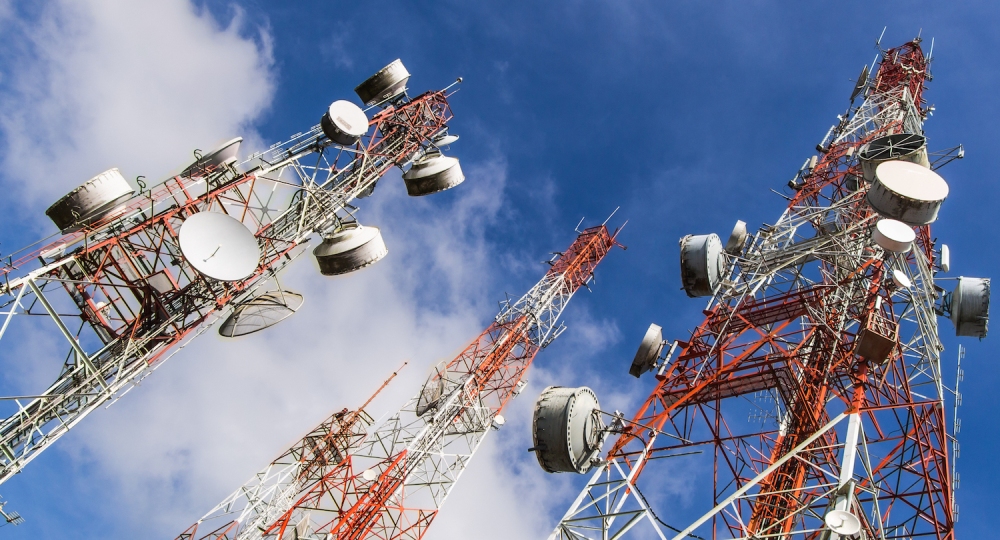
    Nigeria’s telecommunications industry stands as a monumental force, spearheading connectivity, fueling economic expansion, and catalyzing technological innovation across the nation. Boasting a massive subscriber base and generating trillions in revenue, the sector has firmly established itself as an indispensable pillar of Nigeria’s ongoing digital journey.

    Recent data released by the Nigerian Communication Commission (NCC) as of January 2025 underscores the sector’s remarkable growth. The nation now counts 169 million phone subscriptions, translating to a significant 78% connectivity rate among Nigeria’s estimated 216 million population. This represents a substantial leap forward compared to previous years, demonstrating the rapid pace at which Nigerians are embracing mobile communication.

    The financial performance of the industry mirrors this impressive expansion. Revenue has surged from ₦2.25 trillion in 2018 to a remarkable ₦3.86 trillion in 2022. Mobile services, particularly those utilizing GSM technology, are the primary drivers of this substantial cash flow, highlighting the pivotal role mobile phones play in the daily lives of Nigerians.

    A key factor propelling this growth is the increasing internet penetration across the country. As of the latest data, Nigeria boasts 142,161,409 internet subscribers. Notably, mobile internet users constitute the vast majority, accounting for 141,655,587 subscriptions.

    In contrast, fixed wired internet connections remain relatively low at 14,053 subscriptions, while Internet Service Providers (ISPs) and Voice over Internet Protocol (VoIP) contribute 285,702 and 206,067 subscriptions, respectively. The overwhelming dominance of mobile internet emphatically underscores the critical role of mobile networks in bridging Nigeria’s digital divide and bringing online access to a wider population.

    The competitive landscape within the industry remains dynamic. While MTN currently holds the position of market leader, the company recently reported a significant ₦514.9 billion loss after tax for the nine months ending September 2024. This setback was partly attributed to the mandatory NIN-SIM linkage compliance, which led to a 0.9% reduction in their subscriber base.

    Meanwhile, other key players are actively strategizing to gain ground and maintain relevance. Airtel is aggressively focusing on expanding its 4G network infrastructure to enhance data services and reach a broader audience. Globacom is placing a strong emphasis on its fibre-optic cable network, aiming to provide more robust and high-speed internet connectivity. Similarly, 9mobile is undertaking significant upgrades to its network infrastructure to remain competitive in the evolving market.

    The Nigerian telecommunications industry’s continued growth and innovation are undeniably vital for the nation’s progress. By fostering greater connectivity, driving economic activity, and embracing technological advancements, the sector is playing a crucial role in shaping Nigeria’s digital future and empowering its citizens in an increasingly interconnected world.

    Digital Transformation telecoms
    Share. Facebook Twitter Pinterest LinkedIn Tumblr Telegram Email
    mm
    ITPulse
    • Website
    • Facebook
    • Twitter
    • LinkedIn

    ITPulse is a wholly information technology communication (ICT) news website, with a special focus on the African continent. The website provides up-to-date biz-tech news, analysis and comprehensive and thorough insight into the continent's ICT terrain

    Related Posts

    FG unveils “fly now, pay later” scheme to ease domestic travel costs

    March 20, 2026

    Expert highlights four ways AI is changing how Nigerians discover businesses

    March 18, 2026

    UK-Nigeria tech corridor explodes as Tinubu state visit ignites £124m investment surge

    March 17, 2026

    Leave A Reply Cancel Reply

    Subscribe to Updates

    Get the latest creative news from FooBar about art, design and business.

    Latest Posts

    FG unveils “fly now, pay later” scheme to ease domestic travel costs

    March 20, 2026

    From phones to flights: How “Buy Now, Pay Later” quietly became Nigeria’s answer to the cost of living

    March 20, 2026

    AI facial recognition is jailing innocent people — And Nigerians could be next

    March 20, 2026
    About
    About

    Itpulse.com.ng is a wholly information technology communication (ICT) news website, with special focus on the African continent. The website provides up-to-date biz-tech news, analysis and a comprehensive and thorough insight info the continent's ICT terrain.

    Contact us: editorial@itpulse.com.ng

    Facebook Twitter LinkedIn RSS
    Latest Posts

    FG unveils “fly now, pay later” scheme to ease domestic travel costs

    March 20, 2026

    From phones to flights: How “Buy Now, Pay Later” quietly became Nigeria’s answer to the cost of living

    March 20, 2026

    AI facial recognition is jailing innocent people — And Nigerians could be next

    March 20, 2026
    Popular Posts

    Krishnan to lead UniCloud Africa in continental digital infrastructure push

    March 16, 2026

    NITDA: Why women are critical to Nigeria’s digital security

    March 16, 2026

    FG unveils “fly now, pay later” scheme to ease domestic travel costs

    March 20, 2026
    © 2017 - 2026 Itpulse.
    • Terms & Conditions
    • Privacy Policy
    • Advertise
    • Contact Us

    Type above and press Enter to search. Press Esc to cancel.