


The National Information Technology Development Agency (NITDA) is calling on young Nigerians to stop being passive consumers of foreign technology and start building indigenous Artificial Intelligence (AI) solutions.
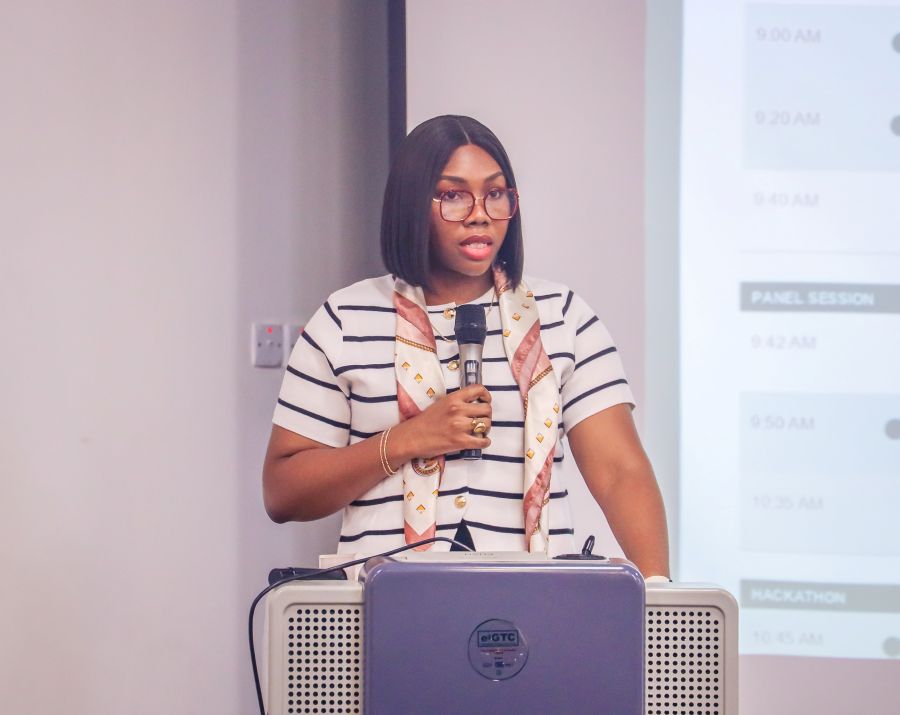
At a recent AI Hackathon in Abuja, organized in partnership with VibeCode Africa, the agency emphasized that Nigeria’s unique socio-economic hurdles require locally tailored innovations that only its youth can provide.

Representing NITDA Director General Kashifu Inuwa, Dr. Ahmed Tambuwal highlighted that Nigeria’s greatest asset is its people, with over 60% of the population under the age of 25, uniquely positioning the country to lead the global digital transformation.
“It is one thing to use technology, but another thing entirely to build with it. Today, we are challenging you to build,” Kashifu Inuwa, DG of NITDA
The hackathon served as a strategic platform for the young minds to collaborate and move beyond digital literacy toward true digital capability.
NITDA urged participants to ignore the quest for “applause or prizes” and instead focus on impact-driven innovation, identifying several high-priority sectors such as healthcare, education, public service and financial inclusion where home-grown AI can make a massive difference:
The challenge aligns with the Federal Government’s goal of achieving 95% digital literacy by 2030. Through the Digital Literacy for All (DL4ALL) initiative, NITDA is working to ensure that every Nigerian, regardless of their background, has the skills to participate in the global economy. However, the DG stressed that the ultimate goal is Digital Sovereignty, ensuring that Nigeria’s future is shaped by its own innovators rather than imported software.
While pushing for rapid innovation, NITDA reminded developers that brilliance must be tempered with responsibility, emphasizing three core pillars for AI development in Nigeria. They are inclusion, ethics and data protection.
By fostering partnerships with organizations like VibeCode Africa, NITDA aims to scale these local innovations, proving that the next big breakthrough in AI won’t be imported; it will be Made in Nigeria.