



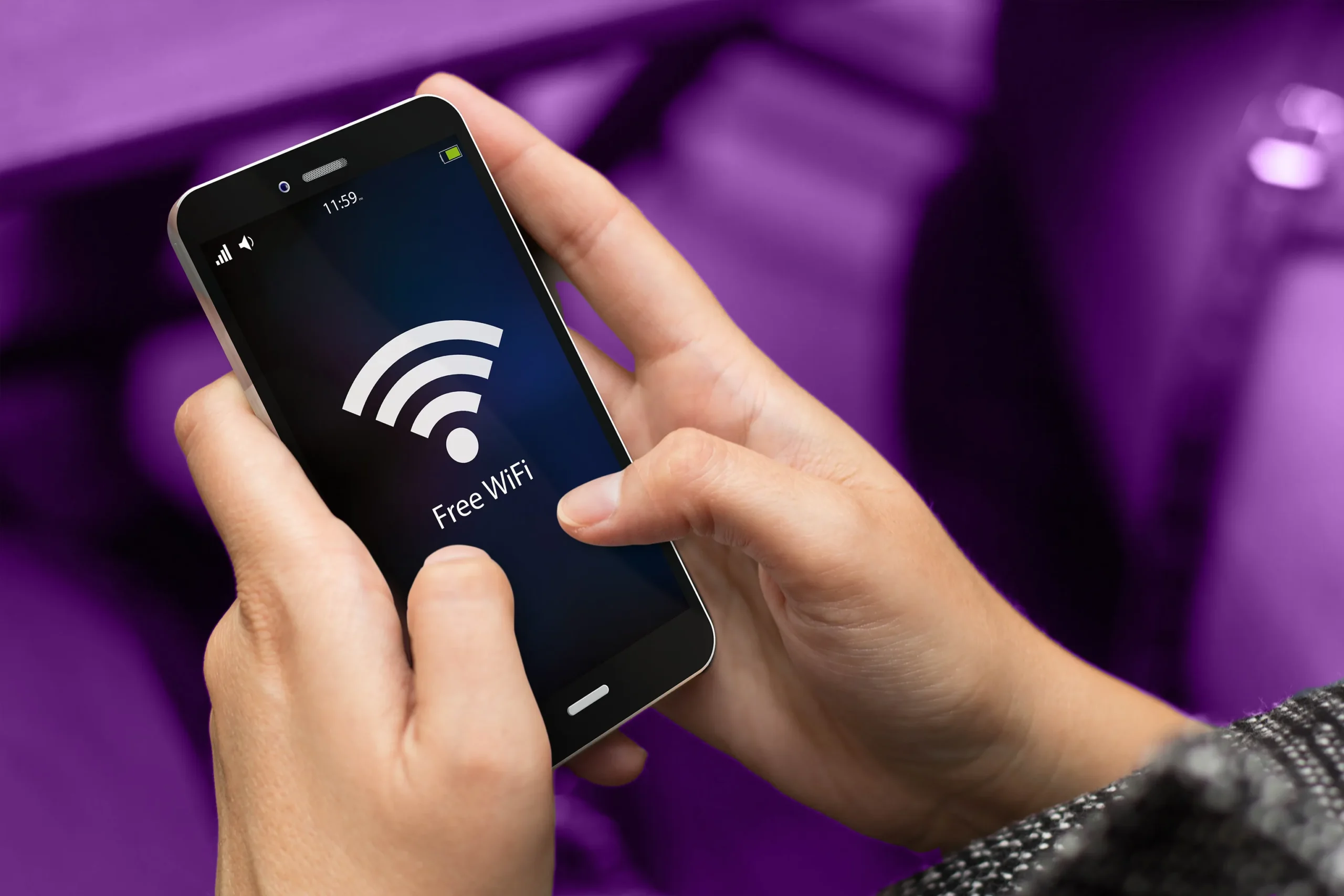
Public Wi-Fi is quite popular at cafés, airports, or abroad during vacations or business trips. Despite the convenience and perceived necessity of staying connected, these common situations require vigilance to ensure the safety and protection of personal data. To navigate potential risks safely, Kaspersky experts have crafted a set of safe practices for using unrestricted networks.
Public Wi-Fi is a convenient way of staying connected on the go, whether at a café, a shopping mall, or an airport. However, it’s important to be aware of security considerations when connecting to these unrestricted networks. Sometimes, scammers create fake Wi-Fi networks or compromise existing ones. They may use names that are very similar to legitimate networks to trick users into connecting. Once connected, personal information such as social media logins, banking details and email addresses become vulnerable to interception and misuse.

Despite these concerns, there are effective ways users can protect themselves and ensure their data remains secure. To prevent taking unnecessary cyber risks, Kaspersky experts recommend the following practices:
- Only connecting to public Wi-Fi when necessary. It is generally advisable to use public Wi-Fi networks only when necessary due to their potential security vulnerabilities.
- Verifying network authenticity. When using public Wi-Fi, confirming the legitimacy of the network with the facility’s staff can help prevent connections to deceptive networks that may capture personal information.
- Paying attention to the login page of the public Wi-Fi network. If it requests login credentials through external platforms such as social networks, this is a warning sign. Such requests can indicate a phishing attempt aimed at capturing personal information.
- Avoiding sensitive transactions on public Wi-Fi. It is a safe practice to avoid accessing websites that require login information, particularly financial services, while connected to public Wi-Fi. This practice significantly reduces the risk of sensitive data interception.
- Enhancing privacy and security with a VPN. Using a VPN while on public Wi-Fi can significantly improve one’s Internet privacy. Modern VPNs encrypt data and shield online activities from unauthorised access, and their use does not notably affect Internet speed, making them suitable for continuous use.
Following these tips and using a reliable VPN ensures that a user’s browsing experience on public Wi-Fi networks remains private. As well as providing data encryption, some comprehensive security solutions protect against various cyber risks like phishing, where scammers create fake networks to steal login credentials, and DNS spoofing, which redirects users to malicious sites. Additionally, VPN encryption helps guard against targeted attacks that can exploit browsing history and other sensitive information, offering robust protection against the potential dangers associated with open Wi-Fi networks.
In addition, VPNs can be used continuously, not just in particular scenarios like connecting to open Wi-Fi networks. Keeping a VPN active at all times ensures that user data remains protected, maintaining privacy regardless of the network used. Moreover, high-quality VPN services do not compromise Internet speed, allowing users to enjoy full protection without experiencing significant reductions in their browsing or download speeds.
“Some people may consider VPNs as tools for special occasions, while they can help to improve users’ privacy and be used as a cybersecurity measure for daily use. With ongoing improvements and increased privacy levels, VPN strengthens defense against present risks in the digital space while providing protected, faster, and reliable transparent connections,” comments Seifallah Jedidi, Head of Consumer Channel in the Middle East, Turkiye and Africa at Kaspersky.