


Facebook Twitter LinkedIn RSS
    Trending
    • NCC tightens type approval compliance with device management system
    • GrowthX by Techeconomy: Coker, Ehize, Durosawo, others confirmed as data localisation tops discussion
    • Nigeria’s tech ecosystem cannot become a safe haven for financial crime
    • NITDA pushes for unified regulatory front to address investors’ challenges
    • African fintech builders must share knowledge to drive overall industry improvement – Moniepoint
    • Uber credits former Nigerian drivers with ₦40,000 one-time payout
    • MTN Nigeria begins ₦545.9 billion interim dividend payout to shareholders
    • Nigerian technopreneur, Tim Akano named global finalist for 2026 humanity flourishing prize
    Facebook Twitter LinkedIn
    ITPulse.com.ngITPulse.com.ng
    • News
    • Interviews
    • Blogs
    • Analysis
    • Opinion
    • Videos
    • Press Releases
    • Pictures
    • Advertise
    ITPulse.com.ngITPulse.com.ng
    Home»News»Nigeria’s electricity subsidy hits N1.93 trillion as tariff gap persists
    News 2 Mins Read

    Nigeria’s electricity subsidy hits N1.93 trillion as tariff gap persists

    mmBy ITPulseSeptember 2, 2026219 Views
    Facebook Twitter WhatsApp Pinterest LinkedIn Reddit Tumblr Email
    Share
    Facebook Twitter LinkedIn Pinterest Email

    By Abigail Mbah

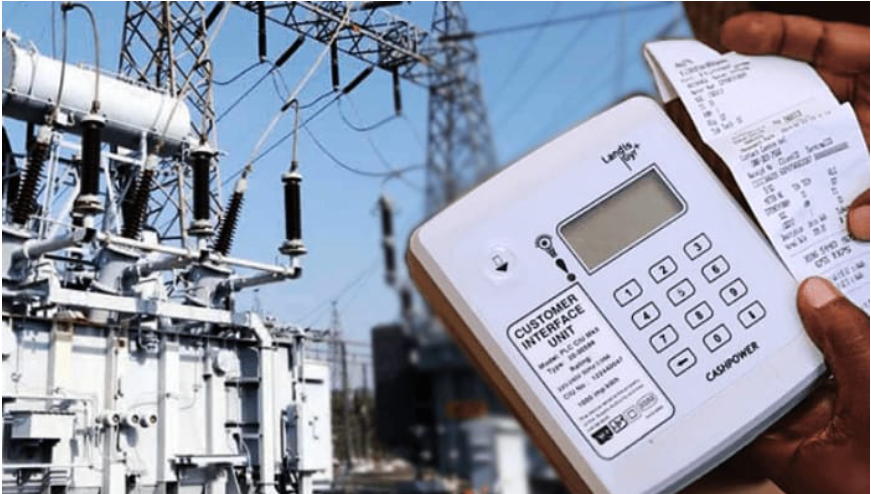
    Nigeria’s federal government spent N1.928 trillion (about $1.3 billion) on electricity subsidies in 2025, according to the Nigerian Electricity Regulatory Commission’s latest industry report.

    The amount covered 57.44 percent of the total invoice from the Nigerian Bulk Electricity Trading Company. On average, the government shouldered roughly N160.7 billion every month. The quarterly figures showed a steady decline: N536.4 billion in the first quarter, N514.4 billion in the second, N458.8 billion in the third, and N418.8 billion in the fourth.

    The subsidy exists because most customer tariffs remain frozen at the rates approved in July 2024. Only Band A customers, who receive the most reliable supply, pay closer to the actual cost of power. For the rest, the government fills the gap between what it costs to generate electricity and what consumers are billed.

    NERC attributed the slight drop from 2024’s N1.95 trillion largely to lower energy offtake by distribution companies and a higher share of power going to Band A customers (up from 40 to 45 percent). Abuja, Ikeja and Eko DisCos absorbed the biggest portions of the subsidy.

    While the arrangement keeps tariffs lower for many users, it continues to strain government finances and leave generation companies facing payment delays. High technical and commercial losses across the distribution networks add to the pressure.

    For Nigeria’s tech and digital economy, the numbers underline a familiar challenge: reliable power remains expensive and uncertain, pushing many businesses toward costly alternatives.


    electricity subsidy
    Share. Facebook Twitter Pinterest LinkedIn Tumblr Telegram Email
    mm
    ITPulse
    • Website
    • Facebook
    • Twitter
    • LinkedIn

    ITPulse is a wholly information technology communication (ICT) news website, with a special focus on the African continent. The website provides up-to-date biz-tech news, analysis and comprehensive and thorough insight into the continent's ICT terrain

    Related Posts

    NCC tightens type approval compliance with device management system

    September 10, 2026

    NITDA pushes for unified regulatory front to address investors’ challenges

    September 9, 2026

    African fintech builders must share knowledge to drive overall industry improvement – Moniepoint

    September 9, 2026

    Leave A Reply Cancel Reply

    Subscribe to Updates

    Get the latest creative news from FooBar about art, design and business.

    Latest Posts

    NCC tightens type approval compliance with device management system

    September 10, 2026

    GrowthX by Techeconomy: Coker, Ehize, Durosawo, others confirmed as data localisation tops discussion

    September 9, 2026

    Nigeria’s tech ecosystem cannot become a safe haven for financial crime

    September 9, 2026
    About
    About

    Itpulse.com.ng is a wholly information technology communication (ICT) news website, with special focus on the African continent. The website provides up-to-date biz-tech news, analysis and a comprehensive and thorough insight info the continent's ICT terrain.

    Contact us: editorial@itpulse.com.ng

    Facebook Twitter LinkedIn RSS
    Latest Posts

    NCC tightens type approval compliance with device management system

    September 10, 2026

    GrowthX by Techeconomy: Coker, Ehize, Durosawo, others confirmed as data localisation tops discussion

    September 9, 2026

    Nigeria’s tech ecosystem cannot become a safe haven for financial crime

    September 9, 2026
    Popular Posts

    ISPON gets new president, set agenda for software sector

    September 8, 2026

    Pathway to advancing Nigeria global cyber security ranking

    September 7, 2026

    Africa to unlock $1.43 trillion annually through improved revenue collection – Report

    September 4, 2026
    © 2017 - 2026 Itpulse.
    • Terms & Conditions
    • Privacy Policy
    • Advertise
    • Contact Us

    Type above and press Enter to search. Press Esc to cancel.