



By Abigail Mbah
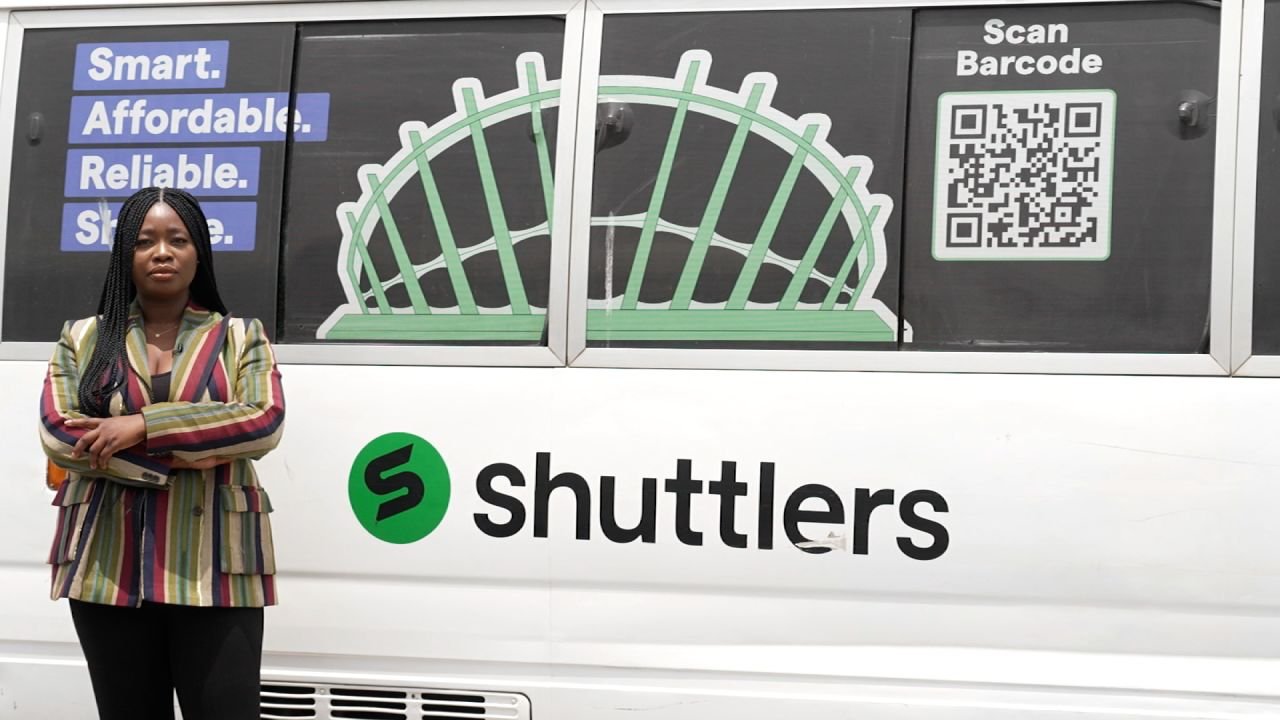
Lagos-based mobility platform Shuttlers is stepping into the gap left by Uber with the launch of Pod, a new shared door-to-door car service aimed at daily commuters in the city.

The company plans to begin operations with the service later this month, following Uber’s decision to shut down its ride-hailing operations in Nigeria on September 2 after 12 years. Uber cited a review of its business priorities, though industry observers point to mounting operating costs, intense competition, and pressure on driver earnings as key factors behind the exit.
Fuel prices have risen sharply since the removal of subsidies, while naira volatility and inflation have made it harder for platforms to maintain viable unit economics. Competitors such as Bolt and inDrive, along with local options, had already eroded Uber’s market share in recent years.
Shuttlers, which built its reputation on scheduled bus services connecting residential areas to business districts, is adapting that model to private vehicles. Pod matches passengers travelling similar routes into groups of three or four. Riders book through the Shuttlers app by selecting their home address and destination.
The city has been divided into clusters, with the service rolling out gradually, starting in areas such as Victoria Island and select mainland routes. Departure times are fixed in advance, options like 6:30 a.m. or 7 a.m. and the platform assigns a vehicle and driver roughly a day ahead. The app notifies passengers 30 minutes before pickup and optimises the route.
A shared seat is expected to cost between ₦4,000 and ₦4,500, depending on the route and occupancy. Booking the entire vehicle privately is also possible. Passengers must commit to at least two trips per week. Shuttlers says the approach delivers significant savings compared with typical on-demand ride-hailing fares, which often range higher once surge pricing and longer distances are factored in.
Damilola Olokesusi, co-founder and CEO of Shuttlers, framed the move as a response to broader economic pressures. “Nigeria’s cost of living is rising faster than incomes. With that reality, the smartest way to move people is through shared mobility,” she said.
The company had experimented with door-to-door services years earlier before focusing on its more profitable bus operations, which now run more than 430 vehicles daily across Lagos, Abuja, and Port Harcourt and have completed over 10 million journeys. Uber’s departure accelerated the decision to revive and refine the car-based model.
Pod targets professionals and other regulars who find last-mile access to bus stops inconvenient, especially during heavy rains or in areas with poor infrastructure. It relies on partnered fleet operators for cars and drivers, similar to the bus side of the business, and uses software and live monitoring to manage grouping and routes.
The launch comes at a moment when Lagos’s tech-enabled transport sector is adjusting to fewer private-ride options. While on-demand platforms remain active, the combination of higher costs and reduced choice has created space for scheduled, shared alternatives that prioritise predictability and lower prices over spontaneity. Shuttlers already has a waitlist of more than a thousand interested users, signalling demand among those who previously relied on Uber-style services.
Whether Pod can scale profitably will depend on consistent occupancy and careful management of empty seats; challenges that have tripped up earlier carpooling efforts in Nigeria.
For now, the company is positioning the service as a practical bridge for Lagosians seeking reliable, more affordable door-to-door transport in a post-Uber landscape.