



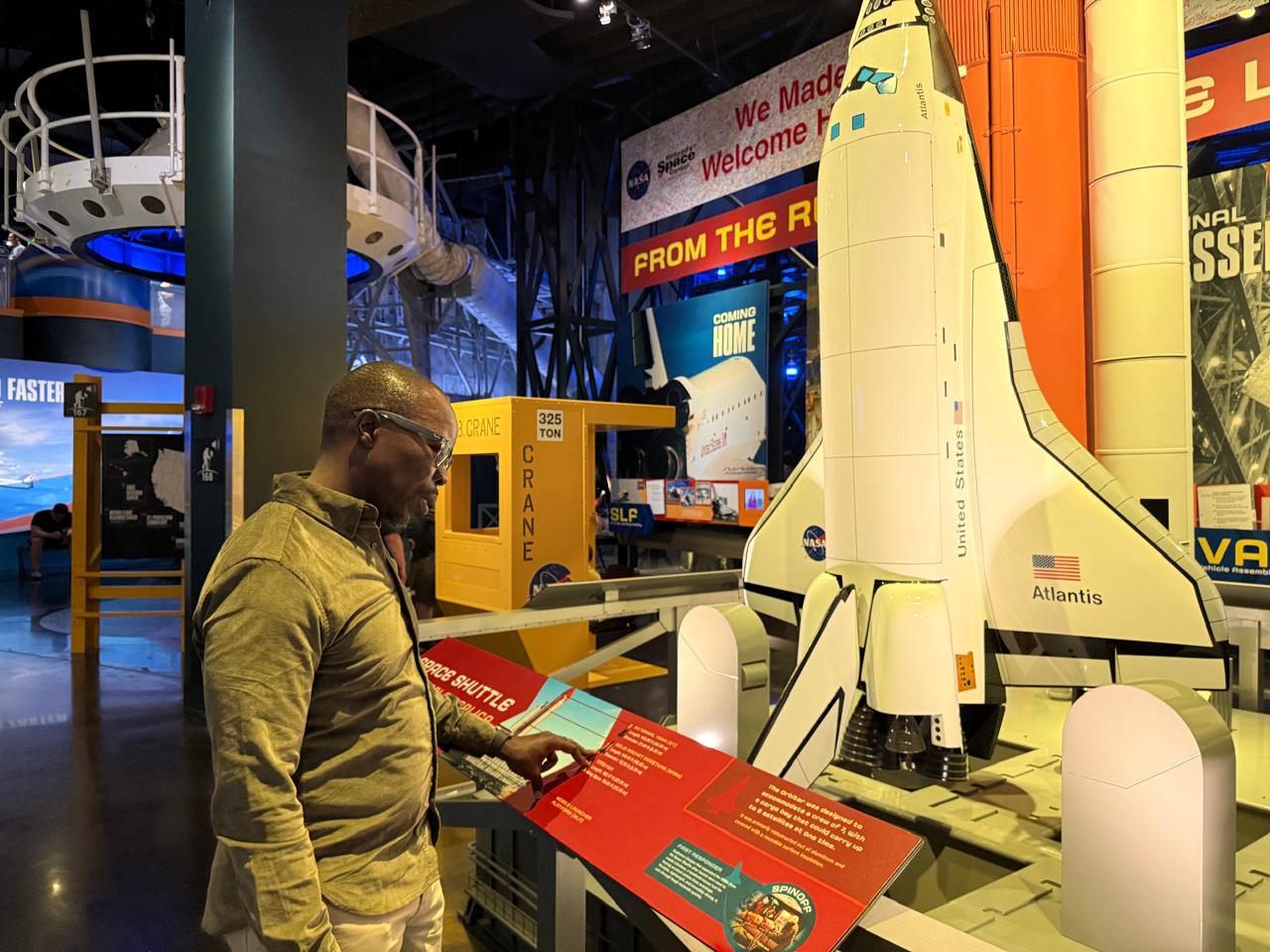
The Artemis mission reminded the world that great achievements begin not with perfection, but with the courage to start. Kenya is at that moment now.
By Eric Gumbo

The writer is a partner at G&A Advocates LLP, a firm with two decades of experience advising on infrastructure, capital markets, and regulatory law across East Africa.
In 1961, John F. Kennedy promised the American people something that, by any rational measure, should have been impossible: that the United States would land a man on the moon and return him safely to earth before the decade was out.
The technology did not yet exist. What existed was the decision to begin. Six decades later, that decision is still paying forward.
On April 1, 2026, NASA’s Artemis II lifted off from Kennedy Space Center in Florida, carrying four astronauts on a ten-day journey around the moon, the first crewed lunar mission in over fifty years.
It was a test flight, one rung on a ladder that future missions will continue to climb. The greatest national achievements are rarely completed in a single term. They are built incrementally, passed from one generation to the next.
Kenya is at a similar moment today. Having spent two decades advising on infrastructure and regulatory frameworks across East Africa, I have seen the pattern repeat: the countries that succeed are not those with the most resources at the outset.
They are the ones that build the strongest legal and institutional foundations beneath their ambitions. The Sovereign Wealth Fund framework is Kenya beginning to do exactly that.
The Draft Sovereign Wealth Fund Bill proposes to gather revenues from oil, minerals, privatisations, and strategic investments into a single disciplined framework. Its three purposes are clear: stabilise revenues when commodity prices fall, finance critical infrastructure, and preserve savings for future generations.
With oil reserves estimated at 560 million barrels and resource revenues projected to exceed $1.5 billion annually, Kenya is not a poor country imagining wealth. It is a resourced country deciding whether to spend that wealth on today or invest it in tomorrow.
 “A sovereign wealth fund is not a savings account. It is a declaration that we believe our country’s best days are ahead, and that we intend to fund them.”
The wise farmer does not eat all the seed after the harvest. She saves enough for the next planting season, because what she holds today is not just food. It is the future.
Those entrusted with managing this fund must act not as owners, but as caretakers. Nigeria’s oil revenues once promised national transformation; five decades later, the Niger Delta remains among the most underdeveloped regions on the continent, a cautionary tale written in squandered windfalls and weak institutions.
The Santiago Principles, which the draft bill aligns with, exist precisely to prevent that story from repeating. Auditors, parliament, civil society, and the media must be empowered to scrutinise this fund as its guardians, not as obstacles to it.
Kenya is not venturing into unknown territory. Botswana built the Pula Fund from diamond revenues and transformed one of Africa’s smallest economies into one of its most stable. Ghana’s Petroleum Funds have cushioned oil shocks and preserved a heritage for future generations.
Both succeeded not because they struck lucky, but because they built the governance architecture to protect what they found.
From M-Pesa to the 2010 Constitution, Kenya has a documented history of building things others eventually copy. The Sovereign Wealth Fund is the next chapter.
But it must be written with discipline and institutional independence that outlasts any single administration. Visible returns, better hospitals, more schools, jobs funded by resource revenues rather than donor goodwill, are what will determine whether ordinary Kenyans trust this fund across generations.
When we extract minerals from Kenyan soil today, coal from Kitui, rare earth elements from Kwale, gold from Migori, we are drawing down on a balance sheet that does not belong to us alone. It belongs to the Kenyan who will be born twenty years from now, who never had a vote in how we used her inheritance.
As Xi Jinping has put it: “We must act on the responsibility to our ancestors, our generation, and those yet to come.” The Sovereign Wealth Fund is how Kenya answers that responsibility. Not with words, but with architecture that lasts.