


The Director-General of the National Information Technology Development Agency (NITDA), Kashifu Inuwa, has asserted that teachers are the primary drivers of Nigeria’s digital transformation, identifying the classroom as the focal point for shaping the nation’s technological trajectory.
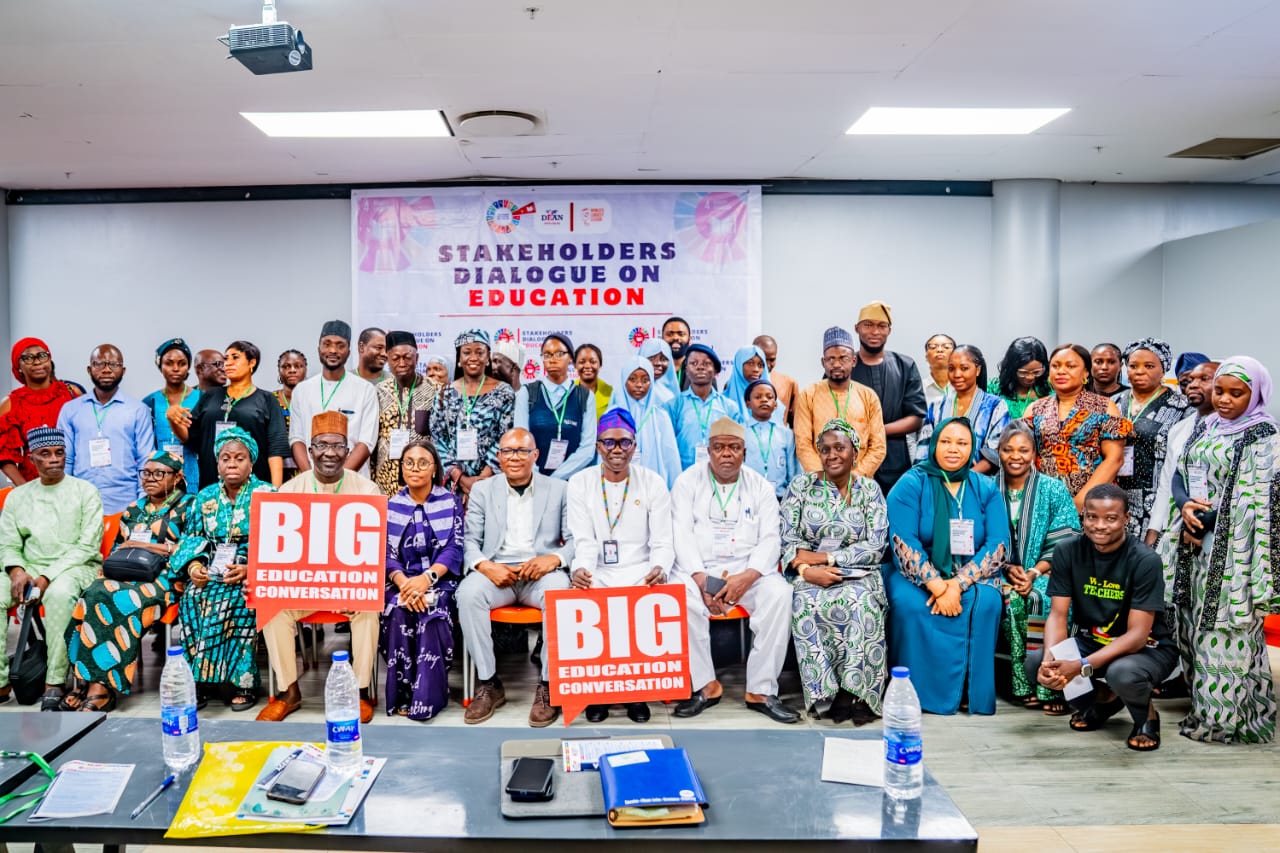
Speaking at a stakeholders’ dialogue organized by the Development of Educational Action Network (DEAN) Initiative in Abuja, Inuwa highlighted that the rapid evolution of the digital economy is fundamentally redefining the role of educators in the 21st century.
Represented by Dr. Aristotle Onumo, NITDA’s Director of Stakeholder Management and Partnerships, the DG noted that while technology provides unprecedented access to information, it requires a new breed of guidance.
He argued that teachers must transcend traditional knowledge transmission to become digital mentors. This shift includes helping students verify information to distinguish credible sources from misinformation. It also involves guiding learners on online safety to avoid harmful content and cyber threats. Furthermore, educators must focus on digital ethics by cultivating responsible behavior and critical thinking in virtual environments.
“Teachers are no longer just instructors; they are now guides who help students identify credible information and develop responsible digital behaviour,” Inuwa stated.
The DG reaffirmed NITDA’s commitment to the “Digital Literacy for All” programme, a cornerstone of Nigeria’s ambitious goal to achieve 70% digital literacy by 2027. Empowering educators with high-level digital skills is seen as a non-negotiable step toward ensuring Nigerian students remain competitive in a global, knowledge-driven economy.
Earlier, the Executive Director of the DEAN Initiative, Semiye Michael, described the workshop as a “re-engineering” process for the Nigerian teaching workforce. He emphasized that the engagement would culminate in a policy guide for the Ministry of Education and other regulatory bodies.
“We need to strengthen teachers’ competence and provide them with access to the necessary digital infrastructure,” Michael said, noting that such moves are vital for national competitiveness.
The event featured a broad spectrum of experts and officials from the Federal Ministry of Education, NIGCOMSAT, and various private sector technology firms.