



Facebook Twitter LinkedIn RSS
    Trending
    • Teniola, Opeke Join Rudman on NCC’s new board to drive Nigeria’s IPv6 migration
    • Why big tech could become Nigeria’s new gas partner
    • From Talent to Prosperity: Inside Charles Emembolu’s Mission to Unite Tech, Research, and Culture at the Omniverse Summit
    • QNET and Manchester City Bring World-Class Football Coaching to Ghana’s Young Talent
    • FG approves VAR technology for Abuja stadium in sports infrastructure overhaul
    • Meta launches paid subscriptions for Facebook, Instagram, WhatsApp
    • Tech meets land: Inside Enugu State’s push for digitized property administration
    • What the Pope’s AI warning means for Africa, by Epiphanus Obia
    Facebook Twitter LinkedIn
    ITPulse.com.ngITPulse.com.ng
    • News
    • Interviews
    • Blogs
    • Analysis
    • Opinion
    • Videos
    • Press Releases
    • Pictures
    • Advertise
    ITPulse.com.ngITPulse.com.ng
    Home»News»Cyber threats to digital farming pose danger to food security in Africa
    News 3 Mins Read

    Cyber threats to digital farming pose danger to food security in Africa

    mmBy ITPulseOctober 13, 20226 Views
    Facebook Twitter WhatsApp Pinterest LinkedIn Reddit Tumblr Email
    Smart farming
    Share
    Facebook Twitter LinkedIn Pinterest Email

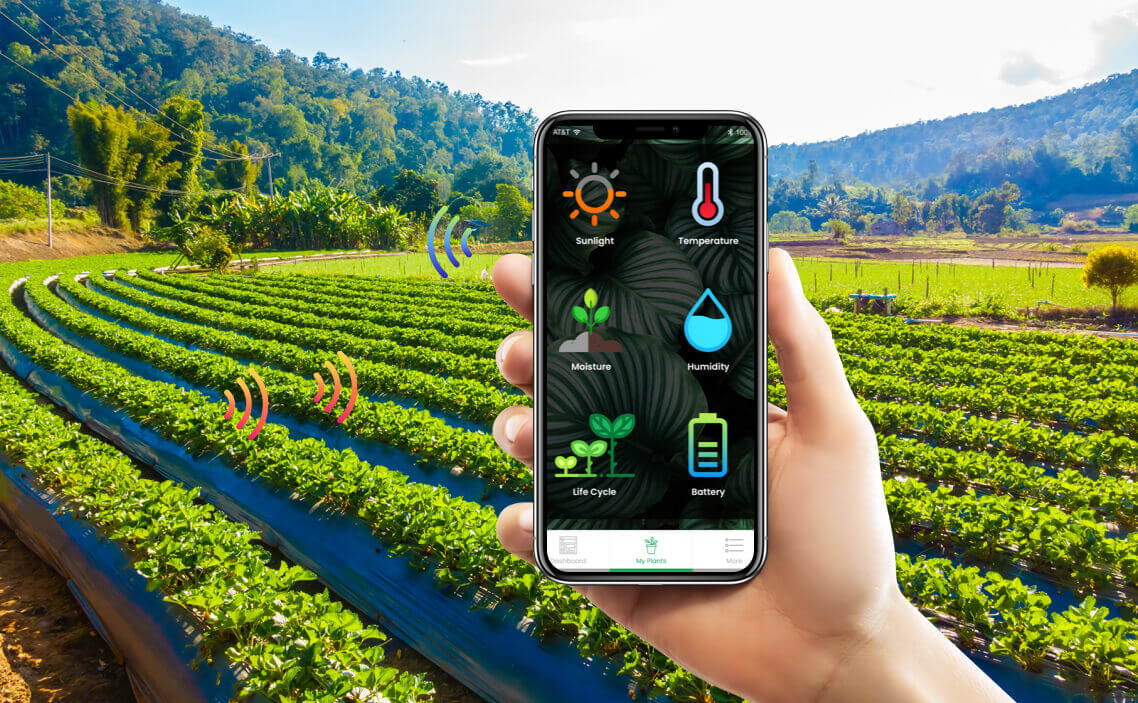
    Vladimir Dashchenko, ICS CERT Expert at Kaspersky has raised the alarm that though smart technology is increasingly used to make agriculture more efficient, cyber threats to digital farming pose danger to food security in Africa.

    Dashchenko believes that there are risks when it comes to minimising human involvement and ignoring the potential of cyberattacks, considering the fact that agriculture accounts for 40% of the region’s GDP, employing an average of 54% of the working population.

    According to him, when it comes to the digitization of agriculture, countries across sub-Sahara Africa are at varying stages of technological adoption and transformation with industrial control systems (ICS) actively being used in the food and agriculture industry.

    “What does a typical attack on a field look like? Let’s suppose we can change a couple of variables in the software for spraying fertilizer on the soil and increase the dose multiple times over. We could easily make the field unfit for agriculture for years, or even decades, to come,” he said.

    He explained that smart farm machinery is vulnerable to hackers, leaving supply chains across Africa and the rest of the world exposed to significant risk. “It is feared hackers could exploit flaws in agricultural software or hardware used to plant and harvest crops. It should also be noted that “smart” technologies used in the agricultural sector can be attacked not only by hackers but also by unethical competitors. Since derailing smart technology operation in the agricultural sector does not require much skill, this can be used by competitors to lower the quality or even destroy the agricultural product,” he added.

    Just last year, an Australian researcher presenting at the DEF CON 29 conference demonstrated how to gain control over modern farming equipment that features everything from GPS systems and automated navigation to software that manages to spray fertilizer. The vulnerabilities represent fundamental insecurities in the devices that could be exploited by malicious actors or potentially chained with other vulnerabilities.

    According to the ICS threat landscape report by Kaspersky, in the first half of 2022 in the African regions computers in the ICS environment were attacked using multiple means – malicious objects, phishing pages, and spyware. In total over the last six months, various types of malicious objects were blocked on every third ICS computer in South Africa (33%, 11% increase from the second half of 2021), on 36% of computers in Kenya (20% increase from the second half of 2021). In Senegal, there were 41% of ICS computers on which malicious objects were blocked, in Nigeria – 34%, in Gabon – 38%.

    Despite the risk, digital innovation is essential to improve farming efficiencies at a time when many countries are not only battling difficult climatic conditions, but also global economic uncertainty. Ensuring the farming environment and agricultural supply chain is managed optimally at all times becomes a business imperative if the world’s food supply is not to be disrupted. For instance, farmers can use drones to decrease the cost of monitoring crop growth, improve data capture, and identify areas presenting potential challenges such as low-yield areas, and more effectively monitor pests or disease outbreaks in crops and livestock.

    Cybersecurity Smart farming
    Share. Facebook Twitter Pinterest LinkedIn Tumblr Telegram Email
    mm
    ITPulse
    • Website
    • Facebook
    • Twitter
    • LinkedIn

    ITPulse is a wholly information technology communication (ICT) news website, with a special focus on the African continent. The website provides up-to-date biz-tech news, analysis and comprehensive and thorough insight into the continent's ICT terrain

    Related Posts

    Teniola, Opeke Join Rudman on NCC’s new board to drive Nigeria’s IPv6 migration

    May 30, 2026

    FG approves VAR technology for Abuja stadium in sports infrastructure overhaul

    May 29, 2026

    Meta launches paid subscriptions for Facebook, Instagram, WhatsApp

    May 29, 2026

    Leave A Reply Cancel Reply

    Subscribe to Updates

    Get the latest creative news from FooBar about art, design and business.

    Latest Posts

    Teniola, Opeke Join Rudman on NCC’s new board to drive Nigeria’s IPv6 migration

    May 30, 2026

    Why big tech could become Nigeria’s new gas partner

    May 29, 2026

    From Talent to Prosperity: Inside Charles Emembolu’s Mission to Unite Tech, Research, and Culture at the Omniverse Summit

    May 29, 2026
    About
    About

    Itpulse.com.ng is a wholly information technology communication (ICT) news website, with special focus on the African continent. The website provides up-to-date biz-tech news, analysis and a comprehensive and thorough insight info the continent's ICT terrain.

    Contact us: editorial@itpulse.com.ng

    Facebook Twitter LinkedIn RSS
    Latest Posts

    Teniola, Opeke Join Rudman on NCC’s new board to drive Nigeria’s IPv6 migration

    May 30, 2026

    Why big tech could become Nigeria’s new gas partner

    May 29, 2026

    From Talent to Prosperity: Inside Charles Emembolu’s Mission to Unite Tech, Research, and Culture at the Omniverse Summit

    May 29, 2026
    Popular Posts

    Nigerians spend N3.3 trillion on data in Q1 2026 as telecoms push GDP toward $1trn digital ambition

    May 28, 2026

    Teniola, Opeke Join Rudman on NCC’s new board to drive Nigeria’s IPv6 migration

    May 30, 2026

    Why big tech could become Nigeria’s new gas partner

    May 29, 2026
    © 2017 - 2026 Itpulse.
    • Terms & Conditions
    • Privacy Policy
    • Advertise
    • Contact Us

    Type above and press Enter to search. Press Esc to cancel.