


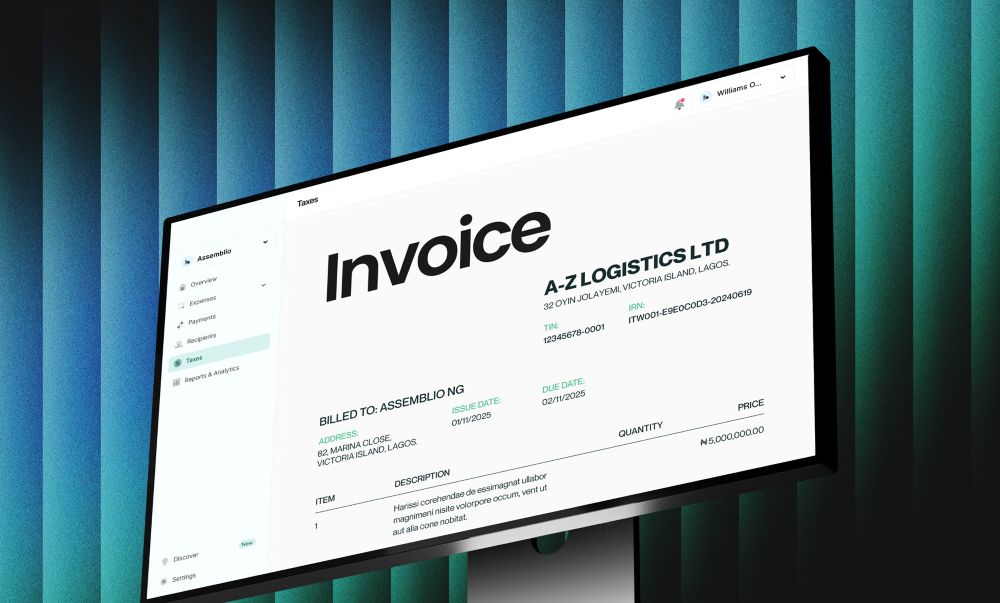
Duplo has achieved a significant regulatory milestone by securing both the Systems Integrator (SI) and Access Point Provider (APP) licenses from the Nigeria Revenue Service (NRS).
The dual accreditation positions Duplo as a primary service provider just ahead of the mandatory July 1, 2026, e-invoicing deadline for medium-sized taxpayers.
Commenting on the development, Yele Oyekola, CEO and Co-Founder of Duplo, emphasized that the move is about more than just meeting regulatory requirements.
“This isn’t just about compliance; it’s about closing the loop. Our dual-license status allows businesses to bridge their existing ERPs directly to the national e-invoicing architecture, ensuring that every transaction is validated by the NRS and settled on our platform in one seamless motion,” Oyekola stated.
While many providers focus solely on invoice generation, Duplo’s unified platform offers a unique end-to-end pipeline. Businesses can now generate NRS-standard e-invoices, route them automatically to tax authorities for validation, and settle payments instantly within a single ecosystem.
This initiative aligns with Nigeria’s new Electronic Fiscal System (EFS), designed to curb an estimated ₦500 billion annual loss in tax leakage caused by manual invoicing and poor documentation.
As the NRS shifts to a real-time pre-clearance model, the stakes for businesses with turnovers above ₦1 billion are high. Non-compliance after the July deadline carries heavy penalties, including:
- Administrative fines of ₦200,000.
- 100% tax surcharges on all unreported transactions.
Duplo’s new licenses enable a streamlined workflow that replaces fragmented manual processes. Businesses can plug existing ERP systems, such as SAP, Oracle, QuickBooks, and Microsoft Dynamics, into Duplo to automatically transmit invoices to the NRS in the required UBL/XML formats. Additionally, validated invoices can be settled and reconciled immediately on the platform. This integrated settlement eliminates the “reconciliation lag” responsible for most corporate financial discrepancies.