


Facebook Twitter LinkedIn RSS
    Trending
    • The cost of digital mobs in Africa, by Elvis Eromosele
    • OneDosh bridges U.S. Fintech and African markets with cash app funding
    • Future of AI in Nigerian SMEs: Overcoming barriers to implementation
    • CBN’s data localization directive to strengthen Nigeria’s digital sovereignty — IXPN
    • NCC moves to provide free internet access for students
    • Dasamonie: Building the financial operating system for Africa
    • Galaxy Backbone unveils new brand identity at 20th anniversary gala
    • Nigeria’s 2023 election results are disappearing from the internet, INEC has not said why
    Facebook Twitter LinkedIn
    ITPulse.com.ngITPulse.com.ng
    • News
    • Interviews
    • Blogs
    • Analysis
    • Opinion
    • Videos
    • Press Releases
    • Pictures
    • Advertise
    ITPulse.com.ngITPulse.com.ng
    Home»News»Telecoms contribution to Nigeria’s GDP far and above Oil & Gas in Q2 2020
    News 3 Mins Read

    Telecoms contribution to Nigeria’s GDP far and above Oil & Gas in Q2 2020

    mmBy ITPulseAugust 29, 2020
    Facebook Twitter WhatsApp Pinterest LinkedIn Reddit Tumblr Email
    Share
    Facebook Twitter LinkedIn Pinterest Email

    By Martin Ekpeke

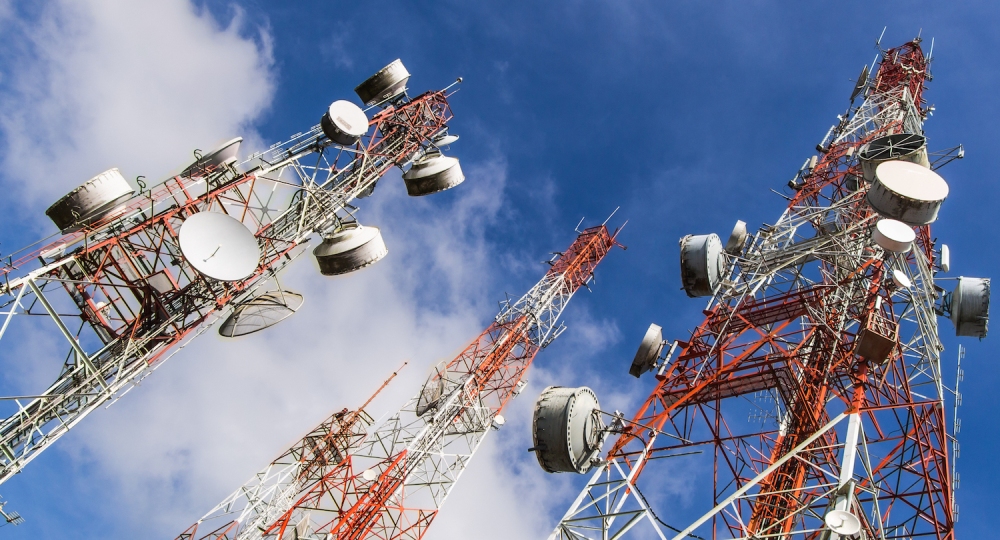
    Contributions from Nigeria’s telecommunication sector to the country’s Gross Domestic Product (GDP) in the second quarter of 2020 were far and above Oil & Gas, hitherto Nigeria’s main source of income.

    According to the Guardian Newspaper, Nigeria’s telecommunications and information services sectors contributed N2.3 trillion, representing 14.30 percent to the Gross Domestic Product (GDP), crowning the sector the enablers of the country’s growth, despite the economic impact of the ravaging Covid-19 pandemic.

    A breakdown of the contributions shows an upward movement from N1.821 trillion in the first quarter of the year to N2.272 trillion, indicating there was an increase of 31.43 percent.

    The Newspaper reported that, while the entire Information and Communication Technology (ICT) industry recorded 17.83 percent in the second quarter, the 14.30 percent contribution of the telecoms sub-sector was unprecedented, as in 2015, telecoms’ contribution to GDP stood at eight percent and has grown significantly quarter-on-quarter and year-on-year to reach the current milestone of 14.30 percent.

    This upward growth and contribution to GDP can be attributed to sound regulatory prowess of the Nigerian Communications Commission (NCC), which has created an investor-friendly policy and regulatory environment, including the commitment of all stakeholders, consistent investment in network maintenance and expansion, and sacrifice by sector operators.

    Speaking at the first edition of the Virtual Telecom Consumer Parliament (V-TCP) hosted by the Commission in Abuja recently, the Executive Vice Chairman of the Nigerian Communications Commission (NCC), Prof Umar Danbatta highlighted some of the measures the Commission had taken to mitigate the impact of the Covid-19 pandemic.

    According to Danbatta, the Commission and the mobile network operators consistently played their roles in sustaining quality of service delivery and quality of experience by the consumers, who are critical stakeholders in the telecoms sector.

    He said in conjunction with the supervising Ministry of Communications and Digital Economy, the NCC developed e-platforms to handle all requests from the licensees to ensure that regulatory services are provided to sustain service delivery to subscribers.

    He said the Commission also approved and encouraged resource sharing among network operators and secured the Right of Passage (RoP) for all telecommunications companies and suppliers for easy movement during the lockdown. These measures enabled the operators to service their base stations and ensured seamless services for telecom consumers who increasingly relied on the networks during the pandemic.

    Danbatta further stated that the NCC, working with the ministry is resolving the problem of the high cost of Right of Way (RoW) with the Nigerian Governors Forum (NGF), adding that, through such engagements, the state governors have lent their support for robust broadband infrastructure.

    “The Commission is hopeful that with the reduction in RoW, which will automatically result in a reduction in capital expenditure (CAPEX) by the network operators, telecom companies will sooner than later reciprocate the gesture by making their services more affordable to Nigerians,” he said.

    NCC Telecom contribution to GDP in Nigeria
    Share. Facebook Twitter Pinterest LinkedIn Tumblr Telegram Email
    mm
    ITPulse
    • Website
    • Facebook
    • Twitter
    • LinkedIn

    ITPulse is a wholly information technology communication (ICT) news website, with a special focus on the African continent. The website provides up-to-date biz-tech news, analysis and comprehensive and thorough insight into the continent's ICT terrain

    Related Posts

    OneDosh bridges U.S. Fintech and African markets with cash app funding

    June 23, 2026

    CBN’s data localization directive to strengthen Nigeria’s digital sovereignty — IXPN

    June 23, 2026

    NCC moves to provide free internet access for students

    June 23, 2026

    Leave A Reply Cancel Reply

    Subscribe to Updates

    Get the latest creative news from FooBar about art, design and business.

    Latest Posts

    The cost of digital mobs in Africa, by Elvis Eromosele

    June 23, 2026

    OneDosh bridges U.S. Fintech and African markets with cash app funding

    June 23, 2026

    Future of AI in Nigerian SMEs: Overcoming barriers to implementation

    June 23, 2026
    About
    About

    Itpulse.com.ng is a wholly information technology communication (ICT) news website, with special focus on the African continent. The website provides up-to-date biz-tech news, analysis and a comprehensive and thorough insight info the continent's ICT terrain.

    Contact us: editorial@itpulse.com.ng

    Facebook Twitter LinkedIn RSS
    Latest Posts

    The cost of digital mobs in Africa, by Elvis Eromosele

    June 23, 2026

    OneDosh bridges U.S. Fintech and African markets with cash app funding

    June 23, 2026

    Future of AI in Nigerian SMEs: Overcoming barriers to implementation

    June 23, 2026
    Popular Posts

    Dasamonie: Building the financial operating system for Africa

    June 22, 2026

    WAPF 2026: Why financial institutions are West Africa’s next big peering opportunity – IXPN

    June 19, 2026

    The localization trap: Why fintech products that change surfaces but don’t change payment infrastructure don’t work in African and European markets

    August 14, 2025
    © 2017 - 2026 Itpulse.
    • Terms & Conditions
    • Privacy Policy
    • Advertise
    • Contact Us

    Type above and press Enter to search. Press Esc to cancel.