


Marketing has evolved significantly in recent years, demanding businesses to adapt and embrace new strategies to engage their target audience effectively. Three prominent approaches that have emerged are cross-channel, multi-channel, and omnichannel marketing. Today, we will explore the differences and similarities among these concepts, then delve into how businesses can progress from operating in silos to achieving marketing synergy, with relevant examples showcasing their practical applications.
Understanding Cross-, Multi-, and Omni-Channel Marketing

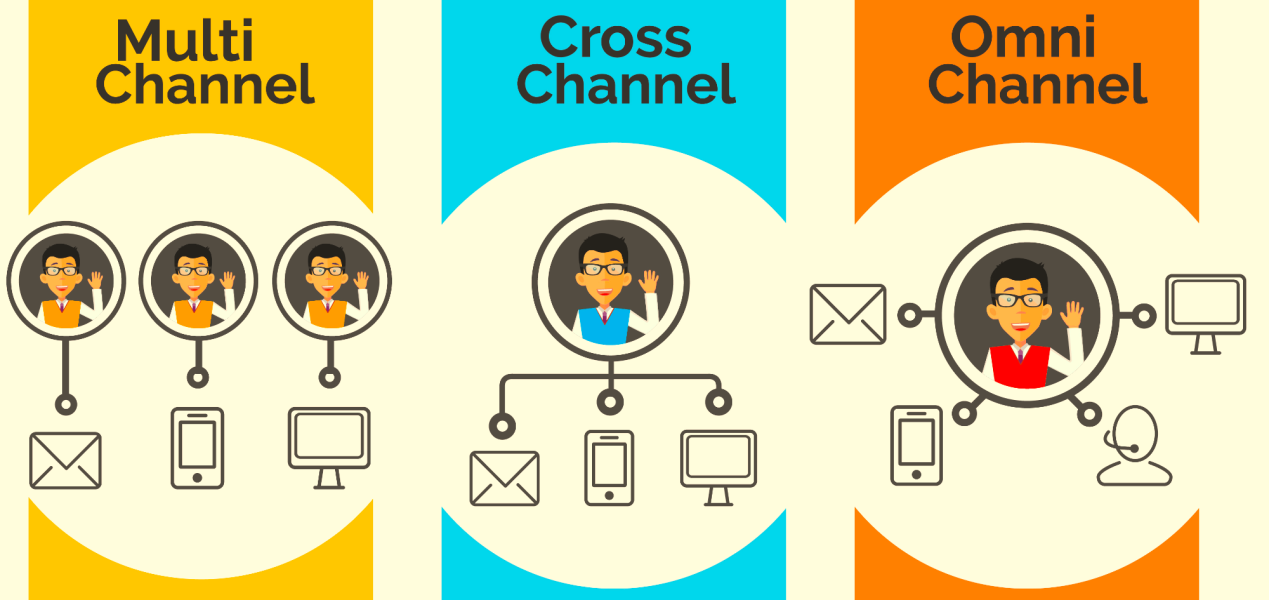
Cross-channel marketing involves utilizing various channels to reach customers and deliver consistent messaging. It focuses on ensuring that customers have a seamless experience when transitioning from one channel to another. For example, a retailer might promote a product on social media, and when a customer visits the website, they are greeted with personalized recommendations based on their social media engagement.
Multi-channel marketing, on the other hand, acknowledges that customers interact with businesses through different channels simultaneously. It involves creating a presence across various channels, such as social media, email, websites, mobile apps, and physical stores. Each channel operates independently, providing unique experiences for customers. For instance, a customer might browse products on a mobile app, receive an email promotion, and then visit a physical store to make a purchase.
Omni-channel marketing takes the concept a step further by integrating all channels into a cohesive and interconnected system. It focuses on providing a seamless and consistent customer experience across all touchpoints. In an omnichannel strategy, customers can switch between channels effortlessly without any disruptions. For instance, a customer may start researching a product on a mobile app, continue on a website, and then make the purchase in-store, with all the information seamlessly synced.
Progressing from Silos to Synergy
Traditionally, businesses operated in silos, where each marketing channel functioned independently, lacking coordination and synergy. Silos hindered the customer experience and limited the effectiveness of marketing efforts. However, with the rise of digital transformation, businesses have recognized the need to break down these silos and unlock the potential of cross-, multi-, and omnichannel marketing.
To achieve synergy, businesses must focus on integrating their channels and aligning their marketing strategies
Let’s explore a few examples of how companies have successfully transitioned from silos to synergy:
- Seamless Customer Journeys: Retail giant Nike provides an excellent example of omnichannel marketing synergy. Customers can browse products online, customize them using the NikeID platform, check availability in local stores, and even utilize the Nike+ app to track their fitness activities. Nike ensures a seamless customer journey, where each touchpoint seamlessly connects to create a cohesive experience.
- Personalized Messaging: Amazon, the e-commerce powerhouse, utilizes cross-channel marketing to deliver highly personalized recommendations. It tailors product suggestions and sends personalized emails by leveraging customer browsing and purchase history. This cohesive approach across channels enhances customer engagement and increases the likelihood of conversion.
- In-Store Integration: SEPHORA, the beauty retailer, has successfully integrated its physical stores with its digital channels. Customers can try on products in-store and receive personalized recommendations. Sephora’s mobile app allows customers to scan products, access reviews, and make purchases. The synergy between in-store and digital channels enables a seamless shopping experience.
- Multi-Channel Integration: Guaranty Trust (GTCo) is a leading Nigerian financial institution. In the past, GTBank operated with distinct marketing channels, such as branches, call centers, and online banking platforms, which often functioned independently. However, the bank recognized the need to integrate these channels to enhance the customer experience. GTBank implemented an omnichannel approach by introducing seamless integration between their physical branches, online banking platforms, and mobile apps. Customers can now perform various banking transactions across channels, such as initiating transfers online and completing them at the branch, or starting a transaction on the mobile app and completing it through a customer service representative. This synergy across channels has significantly improved customer convenience and streamlined banking processes.
- Seamless In-Store and Online Experience: SLOT SYSTEMS LIMITED focused on creating a seamless experience for customers, regardless of the channel they choose. They introduced initiatives such as “Click and Pick,” which enables customers to place an order online and pick it up at a nearby physical store. This integration not only enhances convenience but also ensures that customers receive the same quality of service and support across online and offline channels.
In conclusion, cross-, multi-, and omnichannel marketing strategies have transformed the way businesses engage with customers. From operating in silos to achieving marketing synergy, companies are recognizing the importance of providing consistent and seamless experiences across channels. By breaking down silos, integrating channels, and aligning marketing efforts, businesses can unlock the full potential of cross-, multi-, and omnichannel marketing, resulting in improved customer satisfaction, increased conversions, and long-term success in the digital era.
Oluwafemi Adeniba is a Business Leader | Fractional CMO | Media Consultant & Esports Enthusiast