



Facebook Twitter LinkedIn RSS
    Trending
    • Why Nigeria must convert digital skills to productive work, enterprise and improved livelihoods
    • Leo Stan Ekeh brings AI classrooms, Starlink to two Lagos public schools
    • Moniepoint’s Felix Ike named only African on TIME’s inaugural Tech and Data list
    • FairMoney parent clears ₦5.86bn debt, boosts investor confidence
    • NITDA emerges strategic partner for Leadership and Future Conference (LFC) 2026
    • NCC raises alarm over resurgence of call masking
    • How Dangote IPO tested Nigeria’s fintech infrastructure
    • Inuwa: Nigeria must build AI that understands Nigerians
    Facebook Twitter LinkedIn
    ITPulse.com.ngITPulse.com.ng
    • News
    • Interviews
    • Blogs
    • Analysis
    • Opinion
    • Videos
    • Press Releases
    • Pictures
    • Advertise
    ITPulse.com.ngITPulse.com.ng
    Home»News»Why Nigeria must convert digital skills to productive work, enterprise and improved livelihoods
    News 3 Mins Read

    Why Nigeria must convert digital skills to productive work, enterprise and improved livelihoods

    mmBy ITPulseSeptember 24, 2026220 Views
    Facebook Twitter WhatsApp Pinterest LinkedIn Reddit Tumblr Email
    Share
    Facebook Twitter LinkedIn Pinterest Email

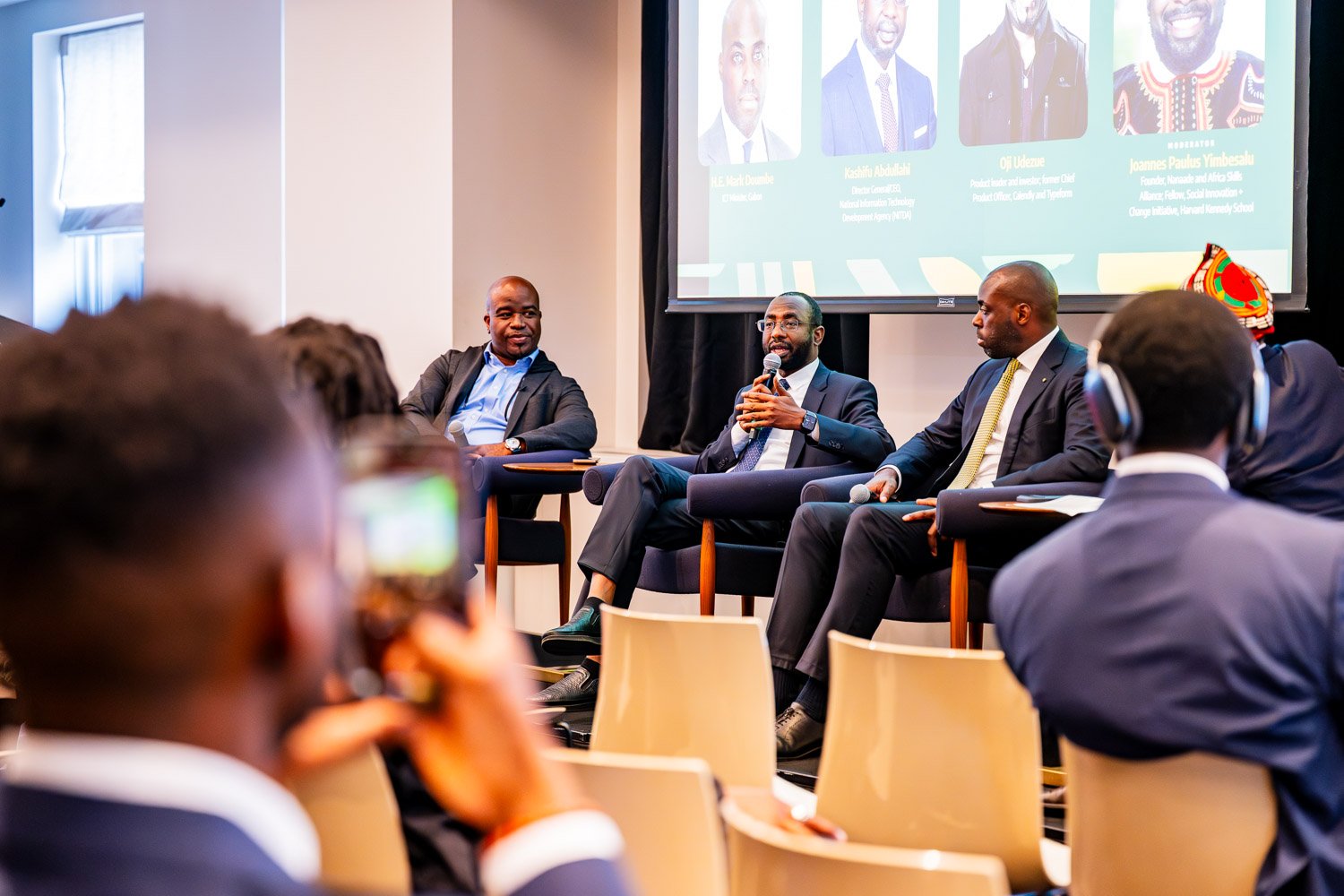
    Nigeria risks creating a generation of digitally trained but economically stranded young people unless it can turn skills into jobs, businesses, higher incomes and real economic value, the Director-General of the National Information Technology Development Agency (NITDA), Kashifu Inuwa, has warned.

    According to the DG, the country must urgently close the widening gap between digital training and productive work, arguing that success should no longer be measured by how many people complete training programmes, but by how many turn those skills into livelihoods.

    “We have industrialised training; we have not yet industrialised the transition,” he said.

    Speaking at a high-level panel on “Scaling Africa’s Digital Workforce” during Nigeria at Scale: Building Digital Systems for Shared Prosperity, held on the sidelines of the 81st United Nations General Assembly, he identified three major barriers blocking the transition from skills to economic opportunity.

    These are the trust gate, where employers struggle to verify skills; the platform and connectivity gate, driven by inadequate devices, affordable internet and reliable electricity; and the demand gate, where the number of people entering the labour market outpaces available formal jobs.

    Abdullahi said Nigeria is responding by linking digital literacy, advanced technical training, connectivity, cloud infrastructure and job creation under a unified digital transformation strategy.

    He cited the 3 Million Technical Talent (3MTT) programme, which has trained more than 143,000 fellows across three cohorts, alongside the Talent Registry, designed to connect verified skills with employers.

    He also highlighted Project BRIDGE, targeting at least 90,000 kilometres of open-access fibre and an expanded national backbone of about 125,000 kilometres, reaching all 774 Local Government Areas. The infrastructure is expected to connect more schools, healthcare facilities and government offices while expanding digital opportunities beyond major cities.

    But Abdullahi stressed that Africa’s digital workforce strategy cannot be built around formal technology jobs alone.

    Traders, farmers, artisans, mechanics, transport operators, food vendors and other entrepreneurs must also be able to convert digital tools into economic gains, he said.

    For these groups, digital skills should mean the ability to accept digital payments, find customers, market products online, manage records, access digital services, protect against fraud and use AI to improve productivity.

    “The question is not, ‘Can this person get a technology job?’ It is, ‘Can technology help this person earn more, reduce costs, reach more customers and run a better business?’”

    Inuwa said NITDA’s Strategic Roadmap and Action Plan (SRAP 2.0) distinguishes between foundational digital literacy and advanced skills in AI, data science, software development, cloud computing and cybersecurity.

    He called for greater investment in the corridor between learning and earning, particularly verifiable credentials and first-paid-work opportunities.

    “Fund the corridor, not another classroom,” he said, warning that Africa’s young people remain trapped between “the certificate and the paycheck.”

    For NITDA, the real test of Nigeria’s digital-skills investment is therefore not the number trained, but how many Nigerians convert digital capability into jobs, enterprise, higher productivity, increased income and improved livelihoods.

    Digital skills
    Share. Facebook Twitter Pinterest LinkedIn Tumblr Telegram Email
    mm
    ITPulse
    • Website
    • Facebook
    • Twitter
    • LinkedIn

    ITPulse is a wholly information technology communication (ICT) news website, with a special focus on the African continent. The website provides up-to-date biz-tech news, analysis and comprehensive and thorough insight into the continent's ICT terrain

    Related Posts

    Leo Stan Ekeh brings AI classrooms, Starlink to two Lagos public schools

    September 24, 2026

    FairMoney parent clears ₦5.86bn debt, boosts investor confidence

    September 23, 2026

    NCC raises alarm over resurgence of call masking

    September 22, 2026

    Leave A Reply Cancel Reply

    Subscribe to Updates

    Get the latest creative news from FooBar about art, design and business.

    Latest Posts

    Why Nigeria must convert digital skills to productive work, enterprise and improved livelihoods

    September 24, 2026

    Leo Stan Ekeh brings AI classrooms, Starlink to two Lagos public schools

    September 24, 2026

    Moniepoint’s Felix Ike named only African on TIME’s inaugural Tech and Data list

    September 24, 2026
    About
    About

    Itpulse.com.ng is a wholly information technology communication (ICT) news website, with special focus on the African continent. The website provides up-to-date biz-tech news, analysis and a comprehensive and thorough insight info the continent's ICT terrain.

    Contact us: editorial@itpulse.com.ng

    Facebook Twitter LinkedIn RSS
    Latest Posts

    Why Nigeria must convert digital skills to productive work, enterprise and improved livelihoods

    September 24, 2026

    Leo Stan Ekeh brings AI classrooms, Starlink to two Lagos public schools

    September 24, 2026

    Moniepoint’s Felix Ike named only African on TIME’s inaugural Tech and Data list

    September 24, 2026
    Popular Posts

    NativeTalk, trusted by enterprises for over a decade, launches all-in-one business app for SMEs across Africa

    September 21, 2026

    The Nigerian founder building a structured digital marketplace for Africa’s SMEs

    September 11, 2025

    NCC raises alarm over resurgence of call masking

    September 22, 2026
    © 2017 - 2026 Itpulse.
    • Terms & Conditions
    • Privacy Policy
    • Advertise
    • Contact Us

    Type above and press Enter to search. Press Esc to cancel.