



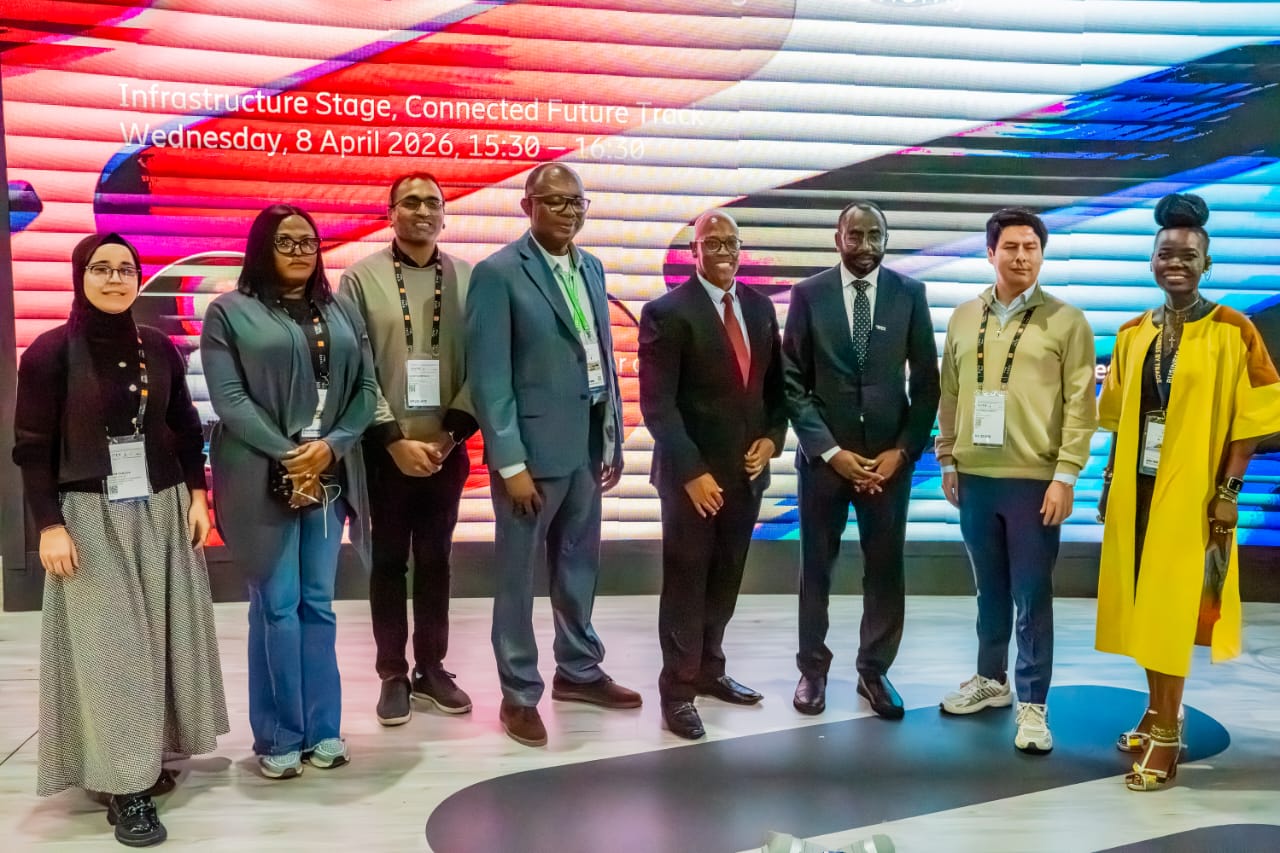
Nigeria is charting a course toward technological independence, prioritizing national interests over the geopolitical tug-of-war between global superpowers, Kashifu Inuwa, the Director General of the National Information Technology Development Agency (NITDA) has declared.
The NITDA DG made the declaration during an engagement with the management of Ericsson at the GITEX Africa in Morocco.

He emphasized that Nigeria’s digital strategy is designed to protect data sovereignty and foster local capacity rather than take sides in international rivalries.
Inuwa clarified that Nigeria’s push for a robust national software infrastructure is not a political move against specific nations or companies. Instead, it is a calculated effort to ensure the country can shape its own digital future.
The key pillars of this approach include developing high-standard regulatory policies that mandate digital integration while keeping critical systems under domestic oversight. Additionally, the strategy encourages global hyperscalers to enter the Nigerian market on the condition that they collaborate with local partners to keep economic value within the continent. Finally, the plan leverages existing executive orders to protect digital systems by officially designating them as critical national infrastructure.
The DG drew comparisons to the European Union’s regulatory framework, citing the Digital Markets Act and the Data Governance Act as blueprints for how regions can assert sovereignty through structured policy. He noted that while building a fully sovereign system is a long-term endeavor, Nigeria is committed to the journey.
“We want to keep the intelligence in our country. We want to be part of creating value, not just receiving technology,” he said.
A major driver behind this strategy is the desire to correct historical imbalances, which he pointed out that Africa has traditionally provided raw materials, labor, and more recently data, without reaping the rewards of value-added industries. By focusing on data sovereignty and local intellectual capacity, Nigeria aims to transition from a passive consumer of foreign tech to a proactive creator of digital intelligence.