



By Abigail Mbah
Nigerian payments giant Paystack has folded card-issuing startup Allawee into its operations following a 2025 acquisition that was never publicly announced. Customers of Allawee now face a firm deadline to withdraw their money and switch services before the platform shuts down its accounts and cards at the end of the year.

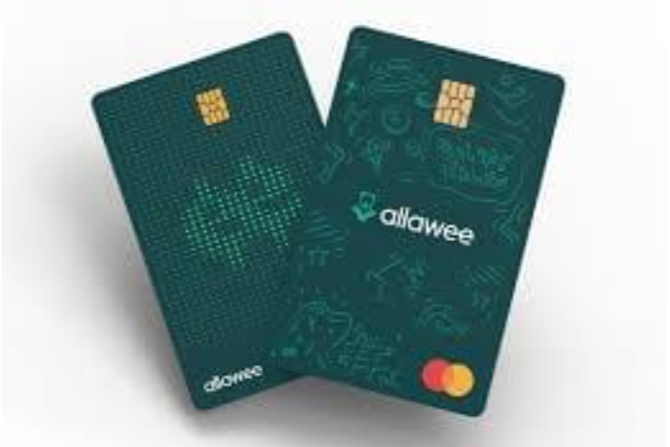
Allawee informed users in emails that its business and personal account services will stop on December 1, 2026. From that date, any payments sent to existing Allawee account numbers will fail, and physical or virtual cards issued by the company will stop working, regardless of the expiry date printed on them. Customers have until November 30 to move their balances, update payment details with anyone who regularly pays them, and replace saved card information on subscriptions and other platforms.
The company stressed that funds will not disappear. “Your money will remain yours,” the emails said. “It won’t expire or be forfeited, and any remaining balance will stay safely recorded.” Those who miss the deadline can still request a manual payout by emailing support, though the process may take longer. Allawee strongly advised users to withdraw funds before the cut-off.
Business customers are being pointed toward Paystack Microfinance Bank, the entity created after Paystack bought Ladder Microfinance Bank earlier this year to secure a banking licence. Individual users are being directed to Zap, Paystack’s consumer transfer app. Importantly, account balances, numbers, transaction histories and verification records will not transfer automatically. Customers will need to open fresh accounts from scratch with the new services.
Allawee was founded in 2022 by Ikenna Enenwali and Oreofe Olurin. The company shifted focus more than once. It began as a credit-card lender, briefly offered credit-risk software, then settled on card-issuing infrastructure that let other fintechs launch physical and virtual cards far more quickly. By mid-2025 it was powering card programmes for companies including PiggyVest, Nomba and Carbon, cutting what used to take months down to weeks. It also offered business accounts through a partnership with Providus Bank and rolled out a Mastercard product aimed at federal civil servants and National Youth Service Corps members.
The card technology appears to be the more valuable piece for Paystack. Once the payments company held its own microfinance bank licence, Allawee’s Providus-backed accounts overlapped with products Paystack could now offer directly. Absorbing the infrastructure while migrating customers onto its own platforms fits a pattern Paystack has followed this year. In June it folded business banking startup Brass into Paystack MFB. The company has also restructured under a new holding company as it expands beyond pure payments processing.
Neither Paystack nor Allawee responded to requests for comment on the deal or the customer migration.
The move fits a wider shift under way in Nigeria’s fintech sector. The funding boom of 2020–2022 left many startups building similar products. Tighter capital markets and greater regulatory scrutiny have since encouraged consolidation. Buying existing technology and teams has become a faster route for larger players than building everything in-house. Flutterwave’s earlier purchase of open-banking firm Mono followed a similar logic of securing underlying infrastructure rather than relying solely on partnerships.
For Allawee’s remaining customers the practical impact is clear: act before the end of November or risk more cumbersome payouts later. For the broader market, the episode underlines how Nigeria’s largest payments processors are steadily assembling full-stack financial services through targeted acquisitions rather than organic growth alone.