



By Abigail Mbah
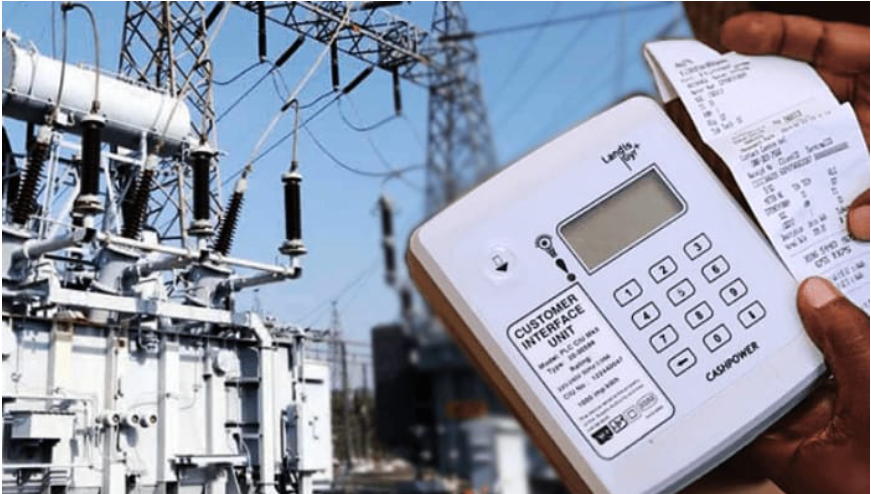
Nigeria’s federal government spent N1.928 trillion (about $1.3 billion) on electricity subsidies in 2025, according to the Nigerian Electricity Regulatory Commission’s latest industry report.

The amount covered 57.44 percent of the total invoice from the Nigerian Bulk Electricity Trading Company. On average, the government shouldered roughly N160.7 billion every month. The quarterly figures showed a steady decline: N536.4 billion in the first quarter, N514.4 billion in the second, N458.8 billion in the third, and N418.8 billion in the fourth.
The subsidy exists because most customer tariffs remain frozen at the rates approved in July 2024. Only Band A customers, who receive the most reliable supply, pay closer to the actual cost of power. For the rest, the government fills the gap between what it costs to generate electricity and what consumers are billed.
NERC attributed the slight drop from 2024’s N1.95 trillion largely to lower energy offtake by distribution companies and a higher share of power going to Band A customers (up from 40 to 45 percent). Abuja, Ikeja and Eko DisCos absorbed the biggest portions of the subsidy.
While the arrangement keeps tariffs lower for many users, it continues to strain government finances and leave generation companies facing payment delays. High technical and commercial losses across the distribution networks add to the pressure.
For Nigeria’s tech and digital economy, the numbers underline a familiar challenge: reliable power remains expensive and uncertain, pushing many businesses toward costly alternatives.