


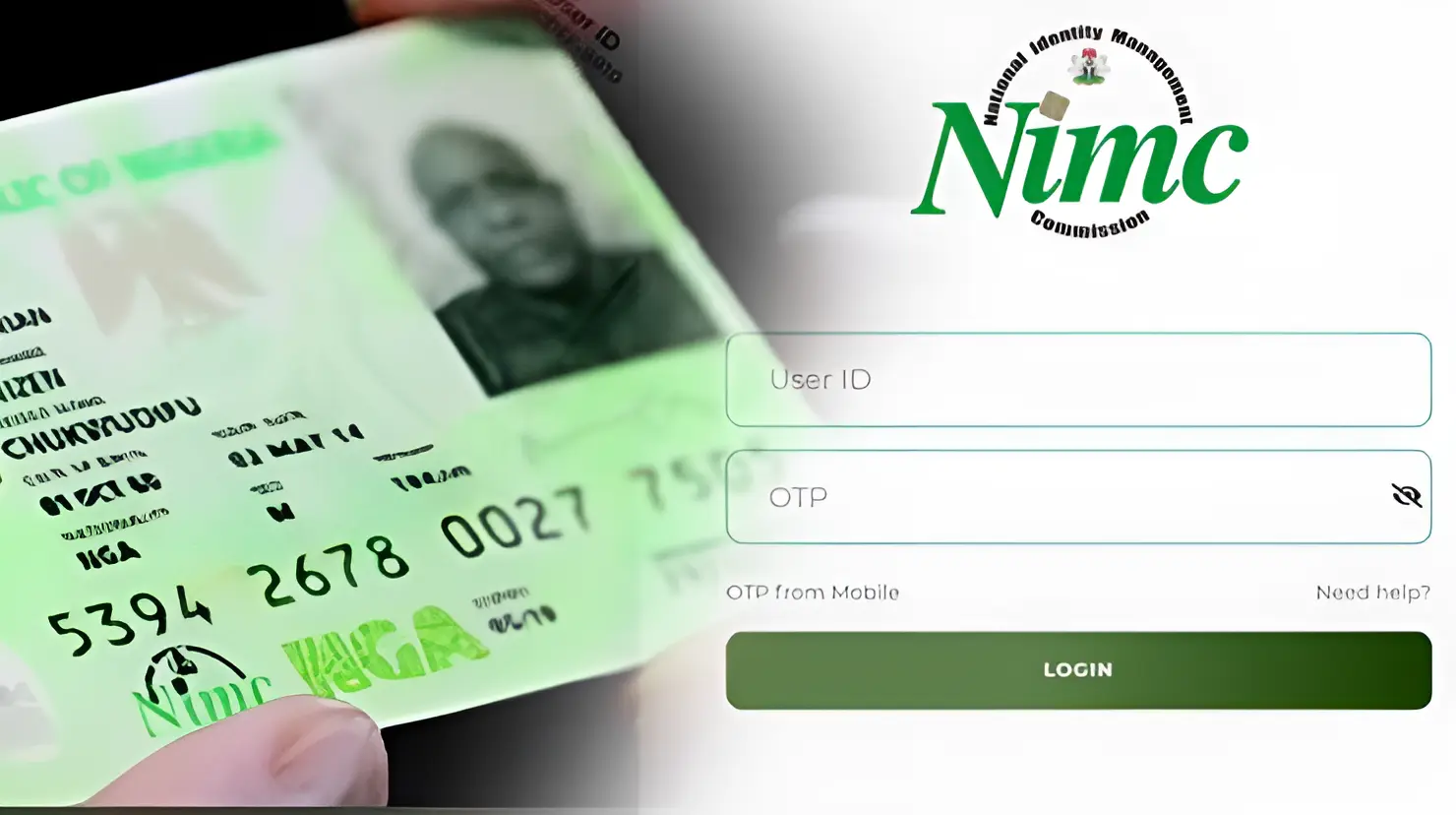
The National Identity Management Commission (NIMC) has officially launched WhatsApp and live chat support channels, marking a significant shift in how Nigerians interact with National Identification Number (NIN) services.
The initiative, described as a pivot toward conversational governance, aims to modernize the identity management process by integrating support into the mobile platforms Nigerians use daily. By moving these interactions to digital spaces, the agency is attempting to bridge a long-standing trust gap fueled by the historical frustrations of physical bureaucracy.

For decades, accessing government services in Nigeria has been synonymous with physical exhaustion, characterized by long queues and the infamous come back next week refrain. By migrating support to WhatsApp, NIMC is effectively humanizing the administrative process.
The shift allows citizens to query NIN slip delays or verify data through the same interface they use to communicate with family or businesses. This transition from a physical hurdle to a digital service provider is expected to strip away the intimidation often associated with government offices.
Beyond the psychological benefits, the new digital channels address several critical operational pain points such as reduced congestion, real-time resolution and eliminating middlemen.
The rollout aligns with Nigeria’s broader push for digital sovereignty and data residency. As the country works to domesticate its cloud infrastructure under the oversight of the Nigeria Data Protection Commission (NDPC), digitalizing identity services ensures that the digital economy is supported by accessible and verified data.
However, experts note that the success of this milestone depends heavily on response latency and data security. To maintain public trust, the NIMC must ensure that inquiries do not go unanswered and that sensitive identity information remains protected under the strict guidelines of the Nigeria Data Protection Act.
While the move is a technical update, analysts view it as an attempt to rewrite the social contract between the Nigerian state and its 200 million citizens. By meeting the public on their mobile devices, the government is taking a critical step toward inclusive connectivity and modernizing the foundations of Nigeria’s digital economy.