



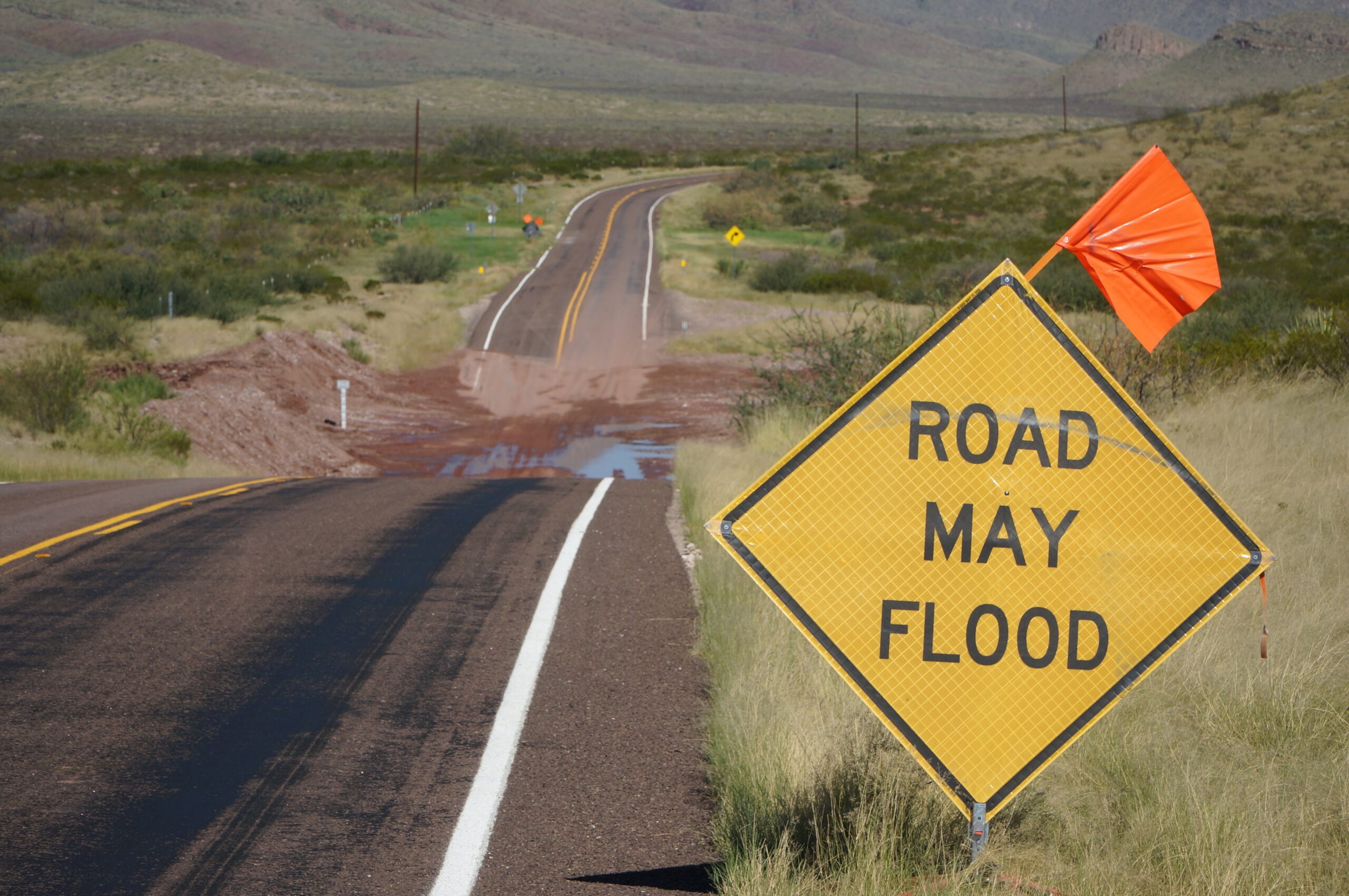
An undeniable reality of living in the 21st century is that we are increasingly being confronted with changing weather patterns. In densely populated communities, which are common in developing nations as people look for economic opportunities, unforeseen natural phenomena such as flooding can be massively destructive.
From extreme heat and severe thunderstorms to the reality of rising sea levels, and torrential rain, with the flooding it causes, it is becoming more important than ever to be able to be able to deal with the destructive power of nature.

For example, the floods in Kwa-Zulu Natal over the past few years are a stark reminder that the phenomenon of flooding is becoming more frequent. The province was hit by flooding in July 2016, twice in 2017, three times in 2019, again in 2020 and 2022, and twice again in 2023, with more occurrences in January and June 2024.
The devastation caused by flooding has been significant, leaving deaths, displacement and immense property damage in its wake. The flood in April 2022 alone caused the deaths of at least 459 people, and displaced more than 40 000 people.
It is not just weather changes that are increasing the risk. Population growth and urbanisation are also exacerbating the threat and making people more vulnerable.
The problem with floods isn’t just that they are increasing in frequency, it is also that traditionally they have been unpredictable. Having little to no visibility into factors such as rising river levels or water speed makes it impossible to respond to an impending flood, leaving residents at the mercy of the elements.
That is where analytics and artificial intelligence (AI) can greatly aid us in closing this gap.
While analytics enables us to derive value from a variety of sources of clean data, AI can help us sift through large volumes of this data at a fraction of the speed possible by human beings. It can also use the data to suggest actions that we may not have arrived at on our own, far more quickly.

Using advanced analytics, we can process data and generate flood forecasts as well as perform risk assessments. Combining this with real-time monitoring, we can leverage AI to continuously monitor flood-prone areas and calculate the possibilities of potential floods.
Much like data, AI and analytics are being used to forecast earthquakes and provide residents with advance warning, so that they respond accordingly, and these technologies can similarly help provide advance warning to those in a flood’s path.
Already we have the capability to bring together data from several sources, including weather forecasts, river levels, and historical data. This allows for accurate flood forecasting and early warning services.
Along with IoT enabled sensors, it is now possible to garner a complete picture of the fast-changing flood conditions, such as rainfall, rain rates, soil saturation, topography and elevation, any of which can rapidly change the dynamics of a flood. With the relevant insights at hand, organisations, governments and cities can not only respond to a flood that is in progress, but they can also do proactive planning; implementing mitigation strategies well in advance of a possible natural disaster.
We are already seeing these capabilities in action, from the likes of the SAS D[n]A Factory initiative. A key part of the initiative is enhancing community preparedness by offering insights into how communities can leverage SAS tools to improve their preparedness and better response to flood emergencies.
If there is a silver lining to global climate change, it is that cities like Kwa-Zulu Natal are not alone in its vulnerability to floods. How other nations are leveraging AI and analytics can serve as successful examples of how the risk of floods can be offset by the right use of technology and offer hope.
For example, the capital of Indonesia, Jakarta, is highly vulnerable to flooding, due to its location – a delta in a lowland area. It also must contend with monsoon and the rising sea level. The city is already protecting itself by using a flood control system that combines sensor data and weather forecasts, and which is integrated into its super-app, JAKI. This has significantly strengthened Jakarta’s flood response while enabling it to reduce the adverse effects of floods.
While the reality is that floods and other climatological events are a near certainty in today’s world, the silver lining is that we do have technology at hand to help better prepare for these events. Climate change is undeniable, but with the right tools, we can save lives.
Alexander Tikhonov, regional director of SAS Middle East, Turkiye and Africa