


By Eugenia Marina
As the world marks the sixth International Day of Education on January 24, 2024, with the theme “Learning for lasting peace,” our search for transformative education tools acquires great significance. In light of the urgent global problems such as violent conflicts, discrimination, racism, xenophobia and hate speech, education is a lighthouse for hope that will bring about change. As we look into the world of biometrics, especially facial recognition technology, we start seeing not only the ways it can influence access and security, but also find out how it has contributed to securing one’s peace through knowledge and inclusivity. Biometrics as part of this symbiotic relationship, provides a pathway towards a secure, more accessible, and harmonized education system.
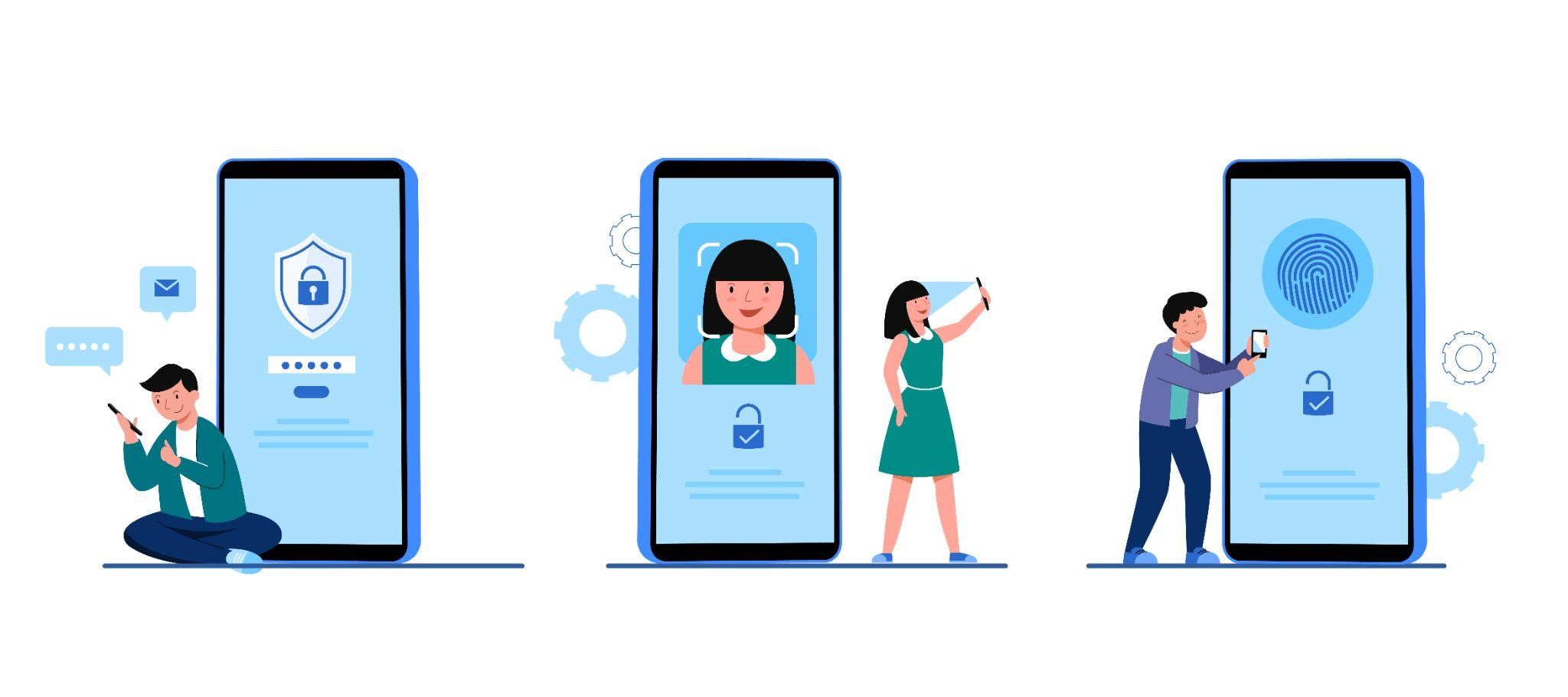
These days, biometric technology is widely used in the education industry. Its many uses change the security and convenience of the students and education facilitators. Modern protocols have reduced even the hazards that came with employing traditional biometric techniques. The most widely used biometric technologies in educational institutions are face recognition and contactless fingerprint or palm recognition. Because of their utilization, biometrics are gaining more and more trust.
Exam boards and educational institutions may also use voice, iris, fingerprint, or facial recognition technology to confirm test taker identities. This has been demonstrated to improve academic integrity.
One of the most liked and effective uses of biometrics in education is attendance monitoring. Administrators can identify truancy issues more easily, thanks to the automatic function of biometric attendance monitoring, which also removes the hassle of needless roll calls before courses.
Verifying each person attempting to enter a university or school with biometric-enabled access control can significantly boost safety. Restricted biometric security access can also be used to secure areas that are off-limits to students.
Biometrics can play a very significant role in activity tracking. It can be used to track various activities. On the other hand, employing manual reporting procedures to record activities could be time-consuming. Instructors can use biometrics to keep an activity diary and generate quick reports as needed.
However, the contactless and user-friendly nature of facial recognition technology makes it a superior biometric modality compared to others such as fingerprints. The seamless nature and non-intrusive property of facial recognition make it a much more convenient and hygienic alternative for usage in an educational facility. The major difference between fingerprint scanners and facial recognition is that the latter provides a touchless experience by contemporary requirements, which increases general user satisfaction. The scalability, as well as its ease of implementation and adaptability, make facial recognition a better option for transforming safety and accessibility within educational settings providing superior security and comfort.
In the world of rapidly changing educational technology, facial recognition systems represent a revolutionary force with accessibility, security and inclusion within these institutions. The safety of students and staff is an issue that educational facilities all over the world have in common. Biometric systems, incorporated into access points of dormitories and laboratories, add another layer of security. Using facial biometrics, the authentication of online learners also becomes very easy. This is a blessing for a large number of educational institutions providing online courses making education more accessible to those who live in remote areas or have mobility issues. It provides a low-cost alternative for students who are unable to move to complete their higher education.
Rather than a fortress, a secure campus enabled by facial recognition technology evolves to become an enriching environment in which learning thrives. In this connection, educational establishments equipped with technologically advanced security measures create an environment of safety that pervades every part creating a space where both students and teaching staff feel safe. A great security infrastructure is not only a shield but also an accelerant of positivity. In a scenario devoid of security concerns, a positive attitude settles in, establishing an excellent atmosphere for learning and working together.
Besides the initial feeling of protection, a positive learning atmosphere reaches far and wide. It serves as the foundation for student well-being, involvement and academic performance. When learners feel safe, they naturally want to engage in the learning process actively. This active involvement, therefore, forms a catalyst whereby the students’ academic performances improve since they are likely to assimilate and retain knowledge in an environment best suited for overall development. The combination of strong security measures made possible by facial recognition technology and increased inclusivity
results in an educated space that not only protects but also drives students toward academic success as well as personal development.
Eugenia Marina is the Business Development Director, MENA