



Facebook Twitter LinkedIn RSS
    Trending
    • Meta generates $820 million in annual economic value for Nigeria
    • Beyond the vibe: Bridging Africa’s Build Divide with Intelligent Infrastructure
    • Anambra targets AI-Native governance as ICT Agency sets next four-year agenda
    • 22 years, one title, and what every builder needs to hear
    • Crypto bootcamp releases 4-year Bitcoin Pizza Day Impact Report
    • Six major updates that change Gemini from simple assistance to proactive, agentic help
    • Nvidia braces for high-stakes earnings as bond yields trigger reality check
    • Leo Stan Ekeh Foundation’s 1,000 Tech University Scholarships now live
    Facebook Twitter LinkedIn
    ITPulse.com.ngITPulse.com.ng
    • News
    • Interviews
    • Blogs
    • Analysis
    • Opinion
    • Videos
    • Press Releases
    • Pictures
    • Advertise
    ITPulse.com.ngITPulse.com.ng
    Home»News»Worrisome statistics about education in Nigeria
    News 2 Mins Read

    Worrisome statistics about education in Nigeria

    mmBy ITPulseFebruary 17, 20215 Views
    Facebook Twitter WhatsApp Pinterest LinkedIn Reddit Tumblr Email
    Education in Nigeria
    Share
    Facebook Twitter LinkedIn Pinterest Email

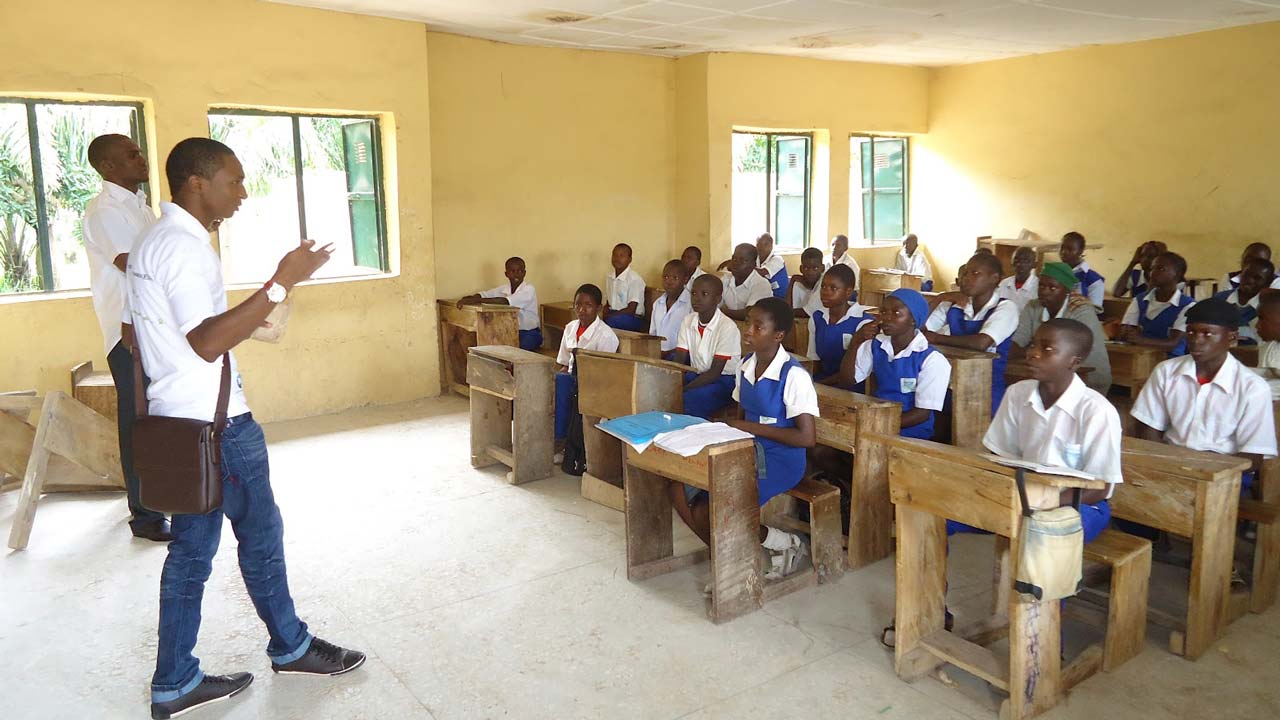
    Data gathered from Educeleb has painted a worrying picture of the Nigerian educational sector, which has consistently received a very poor budgetary allocation from the yearly budget, with the most recent being 8 percent.

    According to Educeleb, which quoted the Federal Ministery of Education, National Bureau of Statistics (NBS), Universal Basic Education Commission (UBEC) and the United Nations International Children’s Emergency Fund (UNICEF), Nigeria has 13.2 million out of school children, with 9 million of these children Almajiri. This is the highest in the world.

    The data also indicates that 30 percent of Nigerians are unable to read and write; 2 in 3 children don’t have access to early childhood education; 51 percent of children engage in child labour, 24 states are unable to access counterpart fund through the Universal Basic Education Commission (UBEC). This is a threat to basic education.

    12 states are owing teachers salary, posing a negative effect on quality education delivery; only 49 percent proceed to secondary school, only 6 percent of households with children that have at least three books.

    Meanwhile, figures released by the National Bureau of Statistics (NBS) last year revealed that 50.5 percent of the poorest Nigerians, representing 82.9 million are without any form of formal education.

    The government agency further broke down to 66.17 percent male and 34.72 percent female.

    Education in Nigeria
    Share. Facebook Twitter Pinterest LinkedIn Tumblr Telegram Email
    mm
    ITPulse
    • Website
    • Facebook
    • Twitter
    • LinkedIn

    ITPulse is a wholly information technology communication (ICT) news website, with a special focus on the African continent. The website provides up-to-date biz-tech news, analysis and comprehensive and thorough insight into the continent's ICT terrain

    Related Posts

    Meta generates $820 million in annual economic value for Nigeria

    May 21, 2026

    Nvidia braces for high-stakes earnings as bond yields trigger reality check

    May 20, 2026

    Aminu Maida to Keynote 17th Annual Africa BoICT Merit & Leadership Lecture

    May 19, 2026

    Leave A Reply Cancel Reply

    Subscribe to Updates

    Get the latest creative news from FooBar about art, design and business.

    Latest Posts

    Meta generates $820 million in annual economic value for Nigeria

    May 21, 2026

    Beyond the vibe: Bridging Africa’s Build Divide with Intelligent Infrastructure

    May 21, 2026

    Anambra targets AI-Native governance as ICT Agency sets next four-year agenda

    May 21, 2026
    About
    About

    Itpulse.com.ng is a wholly information technology communication (ICT) news website, with special focus on the African continent. The website provides up-to-date biz-tech news, analysis and a comprehensive and thorough insight info the continent's ICT terrain.

    Contact us: editorial@itpulse.com.ng

    Facebook Twitter LinkedIn RSS
    Latest Posts

    Meta generates $820 million in annual economic value for Nigeria

    May 21, 2026

    Beyond the vibe: Bridging Africa’s Build Divide with Intelligent Infrastructure

    May 21, 2026

    Anambra targets AI-Native governance as ICT Agency sets next four-year agenda

    May 21, 2026
    Popular Posts

    South Africa leads Nigeria and Kenya in generative AI adoption

    May 19, 2026

    Moniepoint to showcase Africa’s brightest engineering talents at Dreamdevs Bootcamp

    May 18, 2026

    Meta generates $820 million in annual economic value for Nigeria

    May 21, 2026
    © 2017 - 2026 Itpulse.
    • Terms & Conditions
    • Privacy Policy
    • Advertise
    • Contact Us

    Type above and press Enter to search. Press Esc to cancel.