


By Martin Ekpeke
In the bustling secondary schools of Lagos, Kano, and Port Harcourt, a quiet revolution is taking place. It isn’t happening in the economics classroom, but on the screens of smartphones. For millions of Nigerian teenagers, the bank is no longer a formidable brick-and-mortar building that their parents visit. It is now a vibrant green or purple app on their phones.
As Nigeria aims to reach a $1 trillion digital economy by 2030, fintech giants OPay and PalmPay have emerged as the primary financial educators for the Gen Z and Gen Alpha populations.
These fintech giants are moving beyond simple transactions and are embedding financial literacy into the daily lives of Nigerian youth.
One of the hardest lessons for any teenager is the delayed gratification of saving. OPay and PalmPay have cracked this code through gamification.
For instance, OPay’s Play4aChild initiative merges gaming with financial responsibility by rewarding transactions and utility payments with points that can be used for educational support. OPay teaches younger users that financial actions have tangible rewards.
Also, Daily Interest Rewards, where both apps feature “OWealth” and “PalmPay Cashbox” functionalities that pay interest daily. Teenagers see their balance grow by even a few Naira every morning. These initiatives provide a powerful, real-time lesson on the power of compound interest, a concept that often remains abstract in textbooks.
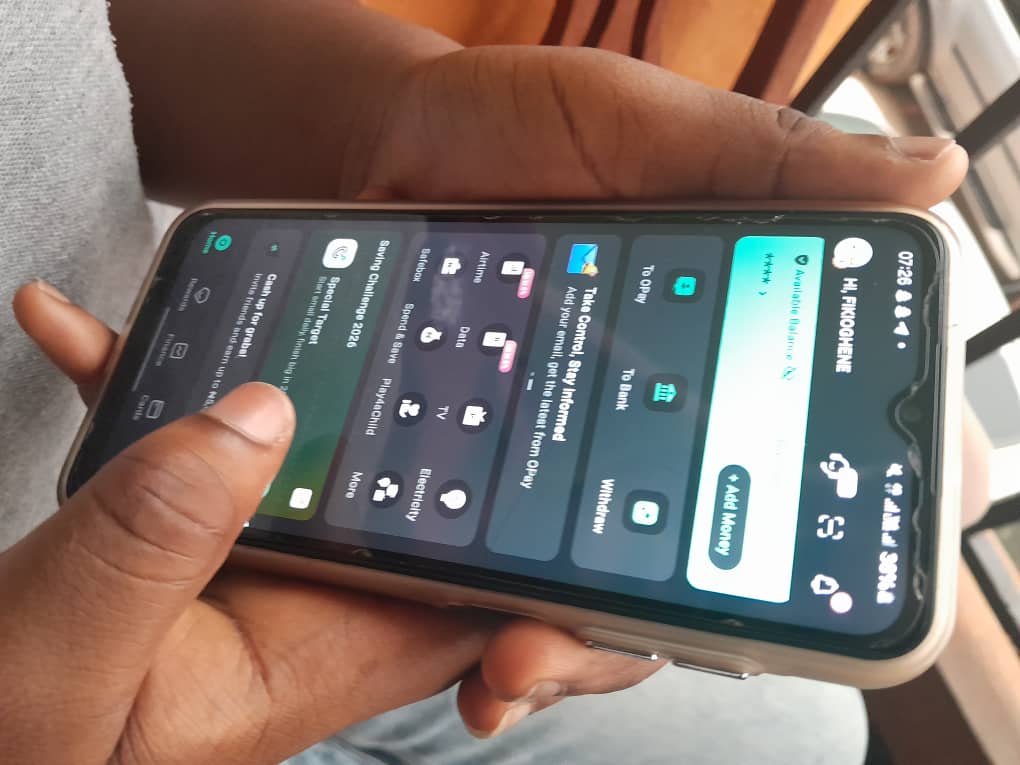
Fikioghene Delight, a 15-year-old SS2 student, shared how OPay bridged a gap in her household. “I used to request cash from my parents, who sometimes struggled to provide it due to cash scarcities,” she told ITPulse. “Now, my parents joyfully send my pocket money to my app. I can personally pay for my lesson fees and small purchases. Even though my father monitors the account, I finally have the freedom to manage my own spending.”
Unlike traditional bank accounts, which often require cumbersome paperwork and parental signatures, fintechs offer tiered accounts that give teenagers a sense of ownership.
By managing their own data bundles, airtime recharges, and peer-to-peer transfers for lunch or textbooks, teens are learning the skills of budgeting and expenditure tracking. PalmPay’s interface, for instance, provides clear transaction histories that allow young users to see exactly where their pocket money went, forcing an early confrontation with spending habits.
For 16-year-old Favour Chukwuma, the shift to digital was a matter of security. “I usually lose my cash at school because the environment is vulnerable,” he explained. “Today, my pocket money is more secure. My parents intentionally load my app with petty cash, and I feel more careful with my digital balance than I ever was with physical notes.”
Financial literacy isn’t just about saving; it’s about understanding the value of education as a financial asset.
This is where OPay’s massive 10-year scholarship programme of N1.2 Billion which hit full stride in 2025 and 2026, targets students in tertiary and secondary institutions. By linking financial aid to academic performance (requiring a specific CGPA), they are teaching students the “Return on Investment” (ROI) of their hard work.
Through partnerships like the “Brace-Up The Young Foundation,” OPay has distributed stationery and kits to thousands of students. These outreaches often include “financial pep talks” that introduce kids to the basics of digital security and money management.
In an era of rising cyber-fraud, OPay and PalmPay are teaching the most critical modern financial skill: security literacy. Through in-app prompts and the “CyberLab Initiative,” these platforms educate young users on the dangers of sharing OTPs (One-Time Passwords) and how to identify phishing attempts. By enforcing biometric logins and transaction PINs, they are instilling security-first habits that will protect these digital natives for a lifetime.
While traditional banks are still playing catch-up with “Kiddies Accounts,” OPay and PalmPay have successfully met Nigerian teenagers where they live online. By turning the smartphone into a laboratory for financial experimentation, these fintechs are ensuring that the next generation of Nigerians doesn’t just have money, but knows exactly how to manage, grow, and protect it.
As of early 2026, fintech adoption among Nigerian youth has contributed to a 62% improvement in reported financial literacy levels, as young users transition from informal “cash-under-the-mattress” habits to formal digital tracking.