



By Martin Ekpeke
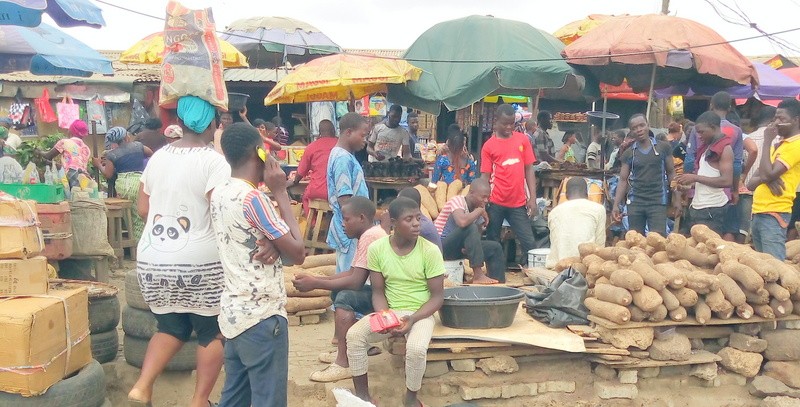
In the bustling heart of Ile-Epo Market in the Abule-Egba area of Lagos, Hassan doesn’t trade in stocks or bonds; he trades in yams, tomatoes, sweet potatoes and other perishable items, leveraging WhatsApp status updates. For him, a stable connection is the difference between a day of sales and a hungry evening.
“I load 2,000 Naira data in the morning,” he told ITPulse, waving his phone at a nearby cell tower as if it were a witness to a crime. “By lunch, I get a message saying it’s 90% gone. I haven’t watched one video! Just chatting with customers. It feels like I’m paying for air that’s leaking out of the bag,” he lamented.

For Nigerians like Hassan, the digital economy isn’t a buzzword; it’s a lifeline. But in 2026, that lifeline is fraying. As the cost-of-living skyrockets, a bitter trial of the telcos is also unfolding in the court of public opinion. On one side: a frustrated public demanding the service they pay for. On the other: an industry claiming it is suffocating under the weight of an economic collapse, where one of their priorities, the price of diesel has risen to N1, 700 in the last few weeks.
Where did my data go?
The honeymoon phase of Nigeria’s 5G rollout has ended abruptly. The lightning-fast speeds that were promised have been overshadowed by a surge in data depletion complaints and a resurgence of the dreaded dropped call, especially in the rural and semi-rural areas. To the average user, technical explanations feel like jargon for a simple reality: they are paying more for less.
The Nigerian Communications Commission (NCC), acting as the mediator-in-chief, acknowledges the tension. “We hear the consumer loud and clear. The Nigerian subscriber is under immense pressure. However, we must balance the need for affordable access with the reality of maintaining a functional network. We are currently auditing data usage patterns to ensure that depletion isn’t a result of technical glitches, but rather a byproduct of richer, data-heavy apps,” promised a senior representative from the NCC in one event earlier this year in Lagos.
The cost of keeping the lights on
While the public sees telcos as giant, profit-hungry machines, the view from the boardroom is one of survival. The industry argues that the current tariff structure is a relic of a bygone era, frozen while the Naira has plummeted and inflation has soared.
“We are running a marathon on a broken leg. People see the 5G bars on their phones, but they don’t see the trucks hauling diesel to base stations 24/7 because the national grid is unreliable. Our operational costs have tripled. If we don’t adjust tariffs, we won’t just have slow data—we will have total darkness. The network cannot sustain itself on 2014 pricing in 2026,” a top Executive from a leading Mobile Network Operator (MNO) noted.
Trust as the ultimate currency
In this digital standoff, the real casualty isn’t just the Naira, it’s trust. When vendors loses 20% of their profit to unexplained data loss, they stop believing in the system. When a telco can’t afford to maintain its equipment, it fails to deliver on its promise.
To bridge this gap, policy experts propose a roadmap for 2026 that strikes a balance between survival and accountability through several key measures.
- The Quality-for-Tariff Lock (QTL) ensures that any approved tariff hike is strictly tied to a measurable 15% reduction in dropped calls.
- Mandatory Transparency Dashboards would require telcos to provide real-time, in-app breakdowns of data usage, such as specific amounts used for WhatsApp or Instagram.
- Energy subsidies would involve treating towers as Critical National Infrastructure (CNI) to provide tax credits for solar transitions and reduce operational costs.
- Finally, a “Connectivity Floor” would introduce a subsidized, low-speed “Social Tariff” specifically designed to support micro-businesses like Mama Ngozi’s lace shop.
Citizen’s guide to taking control
While the policy battle rages, consumers can protect their pockets. Data depletion is often consumption happening out of sight. In 2026, apps are hungrier than ever, but you can starve the Data Vampires by doing the following:
- Disable background app refresh in your settings so apps don’t eat data while you sleep.
- Set media to auto-download on Wi-Fi only to stop every group chat video from draining your balance.
- 5G often defaults YouTube to 4K resolution. Manually set your video quality to 480p to save massive amounts of data.
- Turn off auto-updates and set a data limit on your phone to act as a digital gatekeeper.
Meanwhile, as the sun sets over Ile-Epo Market, Hassan toggles his airplane mode on and off, hoping for a signal. “I’m ready to pay for what I use. But I’m tired of paying for what I lose,” he sighs.
The message is clear: if the telcos want a price hike, they must first rebuild the bridge of trust, one stable connection at a time.