



Facebook Twitter LinkedIn RSS
    Trending
    • Future of AI in Nigerian SMEs: Overcoming barriers to implementation
    • CBN’s data localization directive to strengthen Nigeria’s digital sovereignty — IXPN
    • NCC moves to provide free internet access for students
    • Dasamonie: Building the financial operating system for Africa
    • Galaxy Backbone unveils new brand identity at 20th anniversary gala
    • Nigeria’s 2023 election results are disappearing from the internet, INEC has not said why
    • Why access to structured merchant financing matters for SME growth
    • QNET rejects alleged links to 46 individuals arrested in Ogun State
    Facebook Twitter LinkedIn
    ITPulse.com.ngITPulse.com.ng
    • News
    • Interviews
    • Blogs
    • Analysis
    • Opinion
    • Videos
    • Press Releases
    • Pictures
    • Advertise
    ITPulse.com.ngITPulse.com.ng
    Home»News»Wearable tech still limited due to underdeveloped functionalities
    News 2 Mins Read

    Wearable tech still limited due to underdeveloped functionalities

    mmBy ITPulseFebruary 12, 2020
    Facebook Twitter WhatsApp Pinterest LinkedIn Reddit Tumblr Email
    Smart devices
    Share
    Facebook Twitter LinkedIn Pinterest Email

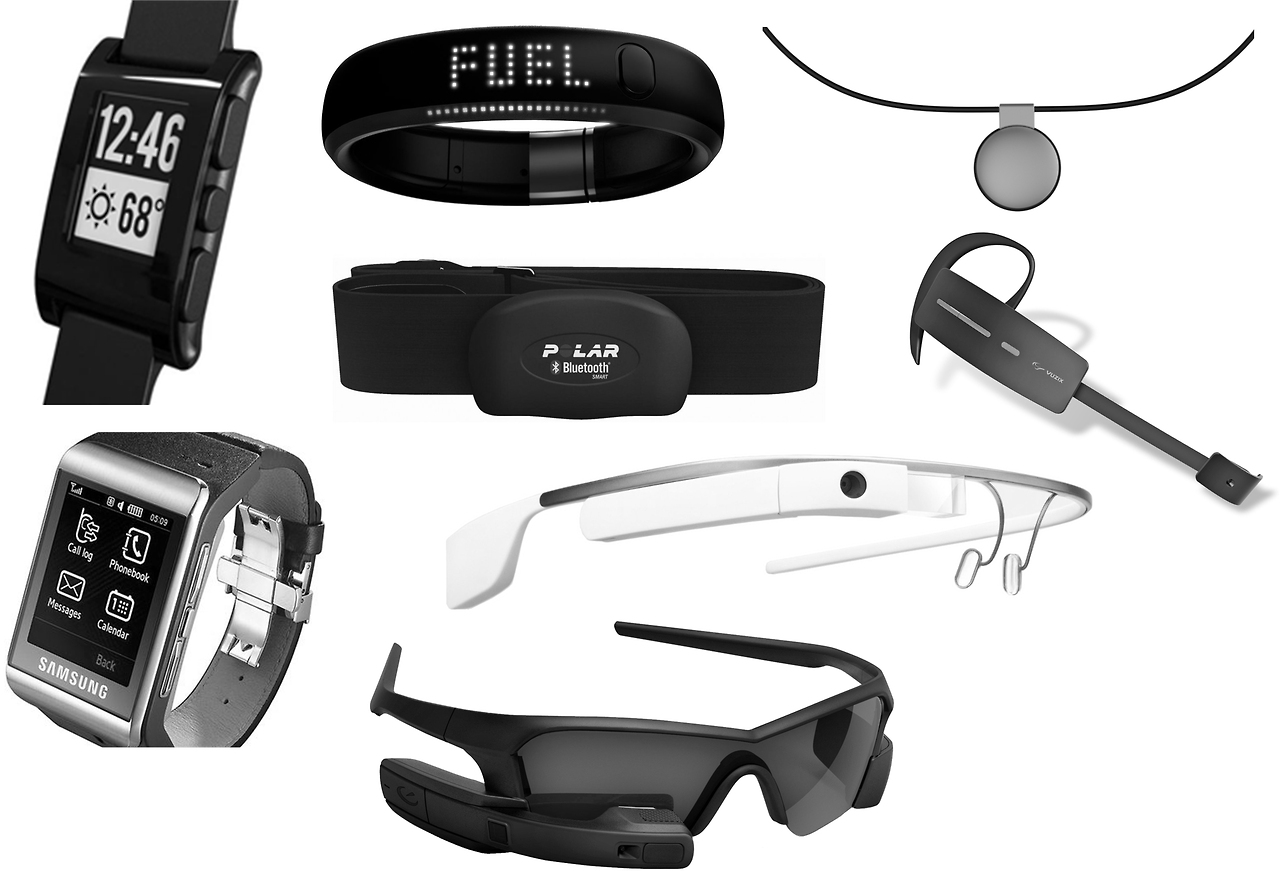
    Even though the wearable device market is described as maturing, it is yet to establish itself in the IoT mainstream, due largely to limited interoperability and underdeveloped self-contained functionalities.

    GlobalData, a leading data and analytics company, had predicted in its Wearable Tech – Thematic Research that the market will grow at a compound annual growth rate (CAGR) of 19 percent between 2018 and 2023, primarily driven by smartwatches, which account for the lion’s share of the market revenue.

    Competition in wearable tech is primarily a face-off between US and Chinese tech giants. Apple is the dominant player, thanks to the success of the Apple Watch, and its strong position in the hearables segment, where AirPods are leading the market. The smartwatches are now the dominant wearable tech segment while fitness trackers are less promising today than they did four years back.

    Fitness trackers are losing out to smartwatches when it comes to sales, but daily usage rates (at least in mature economies) are on the rise. Many fitness tracker companies are exploring growth opportunities in healthcare services. Google’s acquisition of Fitbit in 2019, to some extent, is attributed to Fitbit’s stronghold in the US healthcare services market.

    Rupantar Guha, Senior Analyst of Thematic Research at GlobalData, says: “The demand for fitness trackers is growing in Asia-Pacific (APAC) while their sales in North America and Europe are declining. Smartwatches are also gaining traction, driven by the emergence of low-cost Chinese products in APAC. In terms of regulations, APAC is still far from adopting the EU’s GDPR standard, which makes the region an attractive market for wearable vendors keen to exploit customer data.”

    Emerging markets, especially in APAC, present the strongest growth opportunities for wearables. But in the key markets of China and India, global leaders face increased competition from domestic manufacturers. The region’s large number of price-sensitive consumers often cannot afford the most expensive smartwatches.

    Fitness trackers are often seen as a cheap alternative. Indian manufacturer Titan’s fitness tracker is a prominent challenger to Google’s Fitbit. While many consumers cannot afford the latest Apple Watch, there is an untapped demand for cheaper smartwatches. Chinese brands like Xiaomi, Huami and Huawei, with less-expensive smartwatch models, are aiming for growth in this space.

    Internet of Things Smart devices
    Share. Facebook Twitter Pinterest LinkedIn Tumblr Telegram Email
    mm
    ITPulse
    • Website
    • Facebook
    • Twitter
    • LinkedIn

    ITPulse is a wholly information technology communication (ICT) news website, with a special focus on the African continent. The website provides up-to-date biz-tech news, analysis and comprehensive and thorough insight into the continent's ICT terrain

    Related Posts

    CBN’s data localization directive to strengthen Nigeria’s digital sovereignty — IXPN

    June 23, 2026

    NCC moves to provide free internet access for students

    June 23, 2026

    Galaxy Backbone unveils new brand identity at 20th anniversary gala

    June 22, 2026

    Leave A Reply Cancel Reply

    Subscribe to Updates

    Get the latest creative news from FooBar about art, design and business.

    Latest Posts

    Future of AI in Nigerian SMEs: Overcoming barriers to implementation

    June 23, 2026

    CBN’s data localization directive to strengthen Nigeria’s digital sovereignty — IXPN

    June 23, 2026

    NCC moves to provide free internet access for students

    June 23, 2026
    About
    About

    Itpulse.com.ng is a wholly information technology communication (ICT) news website, with special focus on the African continent. The website provides up-to-date biz-tech news, analysis and a comprehensive and thorough insight info the continent's ICT terrain.

    Contact us: editorial@itpulse.com.ng

    Facebook Twitter LinkedIn RSS
    Latest Posts

    Future of AI in Nigerian SMEs: Overcoming barriers to implementation

    June 23, 2026

    CBN’s data localization directive to strengthen Nigeria’s digital sovereignty — IXPN

    June 23, 2026

    NCC moves to provide free internet access for students

    June 23, 2026
    Popular Posts

    Dasamonie: Building the financial operating system for Africa

    June 22, 2026

    WAPF 2026: Why financial institutions are West Africa’s next big peering opportunity – IXPN

    June 19, 2026

    The localization trap: Why fintech products that change surfaces but don’t change payment infrastructure don’t work in African and European markets

    August 14, 2025
    © 2017 - 2026 Itpulse.
    • Terms & Conditions
    • Privacy Policy
    • Advertise
    • Contact Us

    Type above and press Enter to search. Press Esc to cancel.