


By Martin Ekpeke
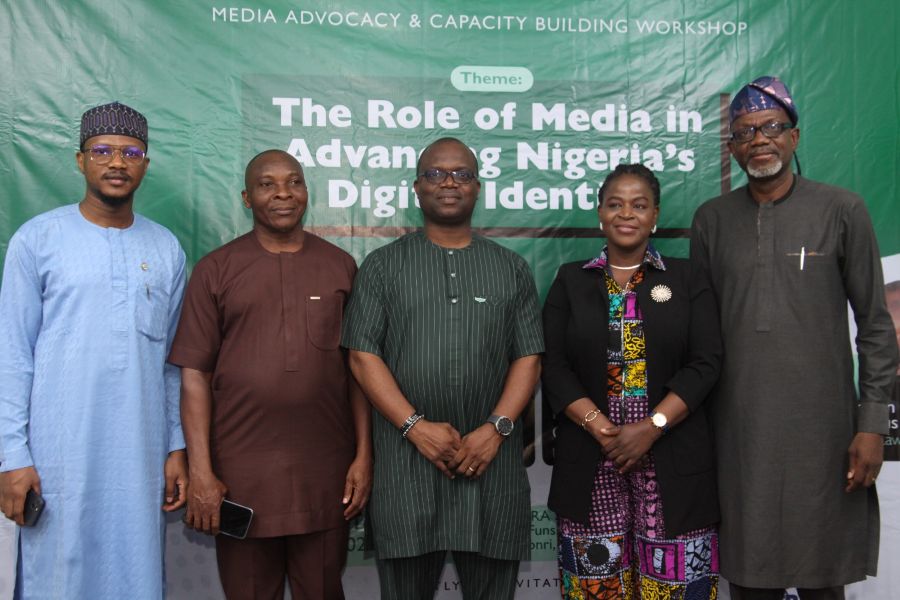
Last week at the Nigeria Internet Registration Association (NiRA) Secretariat in Lagos, a fundamental question hung in the air, challenging the very foundation of Nigeria’s presence in the virtual world: “Who truly owns Nigeria’s digital identity?”

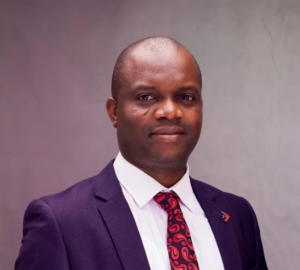
Delivering the keynote address at the .ng Media Advocacy and Capacity Building Initiative, Adesola Akinsanya, President of the Nigeria Internet Registration Association (NiRA), didn’t just talk about tech; he talked about real estate.
But not the kind made of bricks and mortar. He spoke of the digital soil upon which the Nigerian economy is currently built, and his assessment was a wake-up call for a nation in transition.
To illustrate the current state of Nigeria’s online presence, Akinsanya offered a striking metaphor. Imagine building a magnificent corporate headquarters in the heart of Lagos, using Nigerian architects and local materials, only to register the deed in Virginia or California.
“You pay your rent to a foreign landlord. Your security is governed by their laws. And if their gates close, your building, no matter how beautiful, disappears,” Akinsanya warned.
This is the precarious reality for thousands of Nigerian businesses operating under .com or .org domains. By opting for foreign extensions, Nigerian entities have become digital nomads, building immense wealth and influence on rented soil rather than investing in their own sovereign digital territory: .ng.
While often dismissed as a minor technical choice made at the end of a project, the domain name system (DNS) is, in fact, a critical layer of national infrastructure. Akinsanya argued that if data is the new oil, then domain names are the digital real estate that determines visibility, credibility and most importantly, jurisdiction.
According to him, the continued reliance on foreign domains introduces three systemic risks to the Nigerian economy, beginning with a trust deficit where local .ng extensions provide a level of authenticity and security against cyber-fraud that foreign domains cannot match. Additionally, it leads to economic leakage because value generated within the Nigerian ecosystem is often siphoned away when the underlying infrastructure is hosted and managed abroad. Finally, it creates security vulnerabilities by leaving Nigerian entities at the mercy of foreign legal jurisdictions and incident response protocols rather than the national framework.
“The .ng domain should not be viewed merely as a technical tool; it is a piece of national digital infrastructure,” Akinsanya stated firmly.
The meeting, attended by a cross-section of journalists and media professionals, focused on a specific mission: Agenda-setting. Akinsanya challenged the media to move beyond reporting on tech updates and start analyzing the architecture of national sovereignty.
While NiRA handles the infrastructure strengthening the integrity of the .ng domain with advancements like DNS Security Extensions (DNSSEC), technology alone cannot drive adoption.
The media, he noted, holds the power to reframe the narrative. Choosing a domain must be seen as a strategic decision that sits at the intersection of identity and economic relevance.
As Nigeria continues to position itself as a digital powerhouse on the continent, the alignment of infrastructure, adoption and narrative becomes paramount. The .ng Media Advocacy Initiative is designed to bridge the gap, turning complex subjects like internet governance and DNS into central themes of national development.
The message from the NiRA Secretariat was clear: The story of Nigeria’s internet is still being written. The choice remains whether the next chapter reflects a continued external dependence or a bold move toward intentional digital sovereignty.
For Nigerian businesses and institutions, the call to action is simple: It is time to come home for the .ng.